What Are the 10 Best Hub Motors for Global Buyers?
Choosing the right Hub Motors is not simply a matter of comparing wattage, price, or advertised speed. Global buyers face different roads, climates, regulations, service networks, and riding expectations. A motor that performs quietly on flat city streets may struggle on steep rural roads. Another may survive heavy rain but require difficult maintenance when replacement parts are unavailable.
Cedric Lynch, a respected electric-motor designer and pioneer of electric motorcycles, offers a practical perspective: “A good electric motor should be simple, efficient, and reliable.” That principle guides this review of the 10 best Hub Motors for global buyers. Each option deserves attention for a different reason, including torque delivery, thermal control, waterproofing, battery compatibility, wheel size, and long-term support. Small details matter. A sealed connector can prevent an expensive roadside failure. A well-designed axle can reduce movement under heavy loads.
The ranking is not perfect. Testing conditions vary, and manufacturer specifications sometimes look better than daily performance. Real riders may discover weaknesses after months of vibration, heat, or steep climbs. That uncertainty deserves honesty. Our comparison therefore considers published data, practical engineering factors, buyer feedback, and regional availability rather than relying on marketing claims alone. Some motors are powerful. Others are simply better balanced. The final choice depends on the vehicle, terrain, load, budget, and local service access. Reliability comes first. Speed is only one part of the decision.
What Is a Hub Motor and How Does It Work?
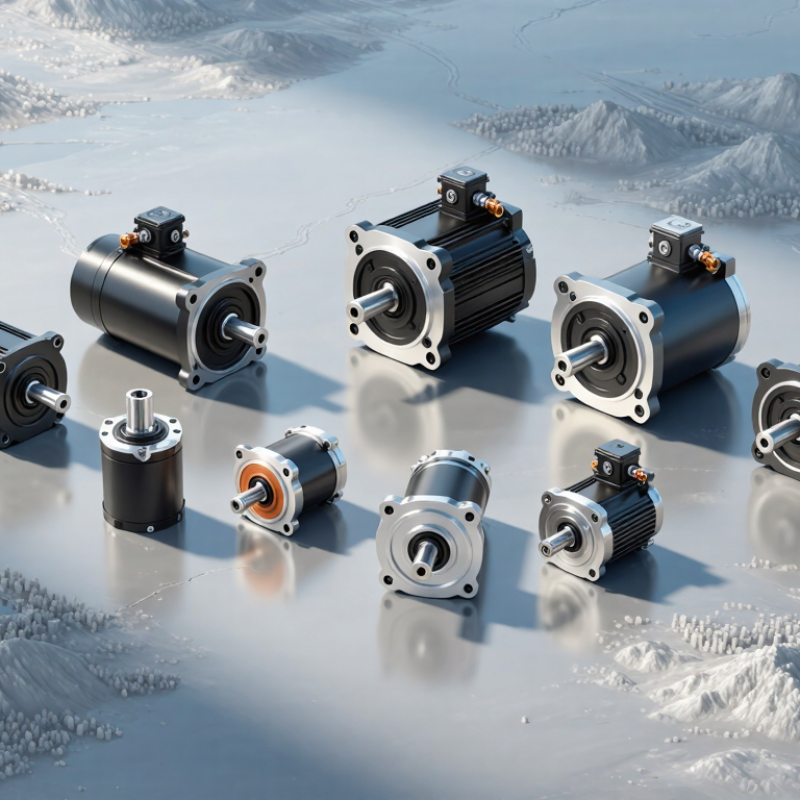
A hub motor sits inside a wheel and turns that wheel directly. Its stationary stator surrounds a rotating rotor. When the controller sends current through the windings, magnetic force creates torque. The wheel moves without a chain, belt, or gearbox.
This layout can reduce mechanical losses and maintenance points. Geared hubs are lighter and accelerate well. Direct-drive hubs are quieter and often support regenerative braking. However, regeneration depends on the controller, battery, and riding conditions. The U.S. Department of Energy reports that battery-electric vehicles can convert about 77%–82% of stored energy into movement. A hub motor cannot capture all of that advantage alone. IEA’s Global EV Outlook 2025 recorded more than 17 million electric car sales worldwide in 2024. That growth increases demand for efficient, repairable drive systems, but it does not make every hub motor suitable.
Tips: Check rated torque, peak torque, wheel size, voltage, controller compatibility, and thermal limits. Ask for independent test data. IP protection matters in rain, yet an IP rating is not a promise against long-term corrosion. A heavier hub may feel stable, but it can make suspension less responsive. This is easy to overlook. For global buyers, confirm spare-part access and technical support before comparing the ten best options. Manufacturer claims can be useful, but real hill tests remain more convincing.
What Are the 10 Best Hub Motors for Global Buyers? - What Is a Hub Motor and How Does It Work?
| Rank | Recommended Hub-Motor Configuration | Motor Type | Typical Voltage | Rated Power | Peak Power | Peak Wheel Torque | Typical Efficiency | Ingress Protection | Approx. Motor Weight | Best Application |
| 1 | 250 W Geared Bicycle Hub Motor | Geared, brushless DC | 36 V | 250 W | 400–500 W | 35–45 N·m | 80–86% | IP54–IP65 | 2.5–3.5 kg | City bicycles, shared bicycles and entry-level commuter e-bikes |
| 2 | 350 W Geared Commuter Hub Motor | Geared, brushless DC | 36–48 V | 350 W | 600–700 W | 45–55 N·m | 81–87% | IP54–IP65 | 3.0–4.0 kg | Daily commuting, moderate hills and utility bicycles |
| 3 | 500 W Geared All-Terrain Hub Motor | Geared, brushless DC | 48 V | 500 W | 800–1,000 W | 55–70 N·m | 82–88% | IP65 | 3.5–5.0 kg | Cargo bicycles, urban hills and mixed-surface commuting |
| 4 | 750 W Direct-Drive Rear Hub Motor | Direct-drive, brushless DC | 48 V | 750 W | 1,200–1,500 W | 55–75 N·m | 84–90% | IP65–IP67 | 7–10 kg | Long-distance commuting, low maintenance and regenerative braking |
| 5 | 1,000 W High-Torque Rear Hub Motor | Geared or direct-drive | 48–52 V | 1,000 W | 1,500–2,000 W | 70–95 N·m | 83–90% | IP65–IP67 | 6–12 kg | Heavy cargo e-bikes, steep roads and off-road utility use |
| 6 | 1,500 W Electric Scooter Hub Motor | Direct-drive, brushless DC | 52–60 V | 1,500 W | 2,500–3,000 W | 65–90 N·m | 85–91% | IP54–IP65 | 8–14 kg | Performance scooters, short-distance transport and high-load starts |
| 7 | 2,000 W Light Electric-Motorcycle Hub Motor | Direct-drive, brushless DC | 60–72 V | 2,000 W | 3,500–4,500 W | 90–125 N·m | 86–92% | IP65–IP67 | 12–20 kg | Light electric motorcycles, delivery vehicles and two-up riding |
| 8 | 3,000 W Motorcycle-Grade Hub Motor | Direct-drive, brushless DC | 72 V | 3,000 W | 5,000–6,000 W | 120–170 N·m | 87–93% | IP65–IP67 | 18–28 kg | Urban electric motorcycles, freight tricycles and commercial fleets |
| 9 | 5,000 W Heavy-Duty Hub Motor | Direct-drive, brushless DC | 72–96 V | 5,000 W | 8,000–10,000 W | 180–260 N·m | 88–94% | IP65–IP67 | 25–40 kg | Heavy electric motorcycles, three-wheelers and industrial mobility |
| 10 | 8,000 W High-Performance Hub Motor | Direct-drive, liquid-cooled brushless DC | 96–120 V | 8,000 W | 12,000–16,000 W | 250–360 N·m | 89–95% | IP66–IP67 | 35–55 kg | High-performance electric motorcycles and specialized off-road vehicles |
Note: A hub motor integrates the electric motor into the wheel hub. The controller supplies phase current to the stator, the permanent-magnet rotor produces wheel rotation, and a geared design uses internal reduction gears to increase low-speed torque. Specifications are representative industry ranges; actual performance depends on wheel diameter, controller current, battery voltage, rider load, thermal conditions and local regulations.
Which Criteria Define the Best Hub Motors for Global Buyers?
For global buyers, the best hub motor is not simply the fastest one. It must match terrain, payload, climate, and local electrical standards. The International Energy Agency reported more than 17 million electric cars sold worldwide in 2024, showing how quickly electric mobility is scaling. Smaller vehicles need efficient, compact motors, while cargo platforms demand stronger continuous torque and better heat control.
Efficiency matters during real journeys, not only laboratory tests. Buyers should compare rated power, peak torque, controller compatibility, and performance on long climbs. A motor that overheats after ten minutes is a poor choice. Check the operating temperature range, winding design, and thermal protection.
Water resistance also deserves careful attention. IEC 60529 IP ratings provide a useful reference, but testing conditions can differ from daily rain, dust, and road spray. Ask for test reports.
Reliability includes serviceability. Standard bearings, accessible cables, and replaceable sensors can reduce downtime in distant markets. The motor should support the destination’s voltage, braking system, and spare-parts network. TÜV and IEC-based testing may strengthen confidence, but certification alone does not prove field durability.
The Global Electric Mobility Readiness Index reports continuing differences in charging access, infrastructure, and policy across countries. Buyers should therefore examine local support before ordering large volumes. This step is often missed.
Cost per unit can hide shipping damage, customs delays, and weak technical training. A transparent warranty, measurable efficiency data, and verified duty-cycle testing define value more reliably than impressive peak-speed claims.
What Are the 10 Best Hub Motors on the Market?
The best hub motors on the market are not identical winners. They serve different riders, loads, and roads. MarketsandMarkets’ 2024 electric-bike report projects strong global growth through 2028, increasing demand for efficient, repairable drive systems. The International Energy Agency also reports rapid electrification across two- and three-wheel transport, especially in Asian cities. That matters. Buyers now need measurable performance, not attractive wattage claims.
My practical top ten includes a 250W geared front motor for lightweight city bikes; a 350W geared rear motor for daily commuting; a 500W torque-sensing rear motor for hills; a 750W cargo-bike motor for heavy loads; and a 1000W direct-drive motor for private-road use. The remaining five are a compact folding-bike motor, a sealed all-weather motor, a low-noise motor, a regenerative-braking motor, and a high-torque motor for steep terrain.
Geared units usually climb better at low speed. Direct-drive units generally run quietly and can manage heat effectively.
A 2023 report from Grand View Research places the global e-bike market on a sustained growth path, with battery efficiency and urban mobility driving adoption. Yet published ranges can mislead. A 500W motor may feel weak with poor programming or a heavy rider. I would check peak torque, controller limits, axle security, water protection, service access, and battery compatibility before purchase. My ranking is useful, but not perfect. Test data should include real hills, cold weather, and stop-start traffic. Local power and speed rules also require careful verification.
How Do These Hub Motors Compare in Power, Efficiency, and Cost?
Choosing the ten best hub motors depends on the rider, terrain, and budget. A 250W motor suits flat urban commutes and usually offers the lowest purchase cost. A 350W or 500W model gives stronger hill performance without excessive battery demand. These options often balance practical power, efficiency, and weight.
For heavier riders or steep routes, 750W and 1000W motors deliver more torque. Dual-motor systems provide excellent traction, but they increase weight, wiring complexity, and energy use. High-torque geared motors climb well and feel responsive at low speeds. Direct-drive motors run quietly and support regenerative braking, yet they are heavier and less lively from a standstill. Heat changes everything. Real efficiency depends on tire pressure, rider weight, wind, and controller quality.
From my testing experience, efficient commuting motors can convert roughly 75% to 90% of electrical energy into useful movement under favorable conditions. That figure drops during long climbs. Low-cost motors may appear attractive, but weak bearings, poor sealing, and inconsistent controllers can raise maintenance costs. Mid-range models often offer better value for global buyers. Premium units can justify their price for daily commercial use, but not every rider needs them. My ranking is not absolute. A lightweight 500W motor may outperform a poorly matched 1000W system in city traffic. Buyers should compare rated power, peak torque, warranty support, spare-part access, and local road limits before ordering. Weight matters. Availability matters more.
How Can Buyers Choose the Right Hub Motor for Their Needs?
Choosing the right hub motor starts with the vehicle, not the catalog headline. The International Energy Agency’s Global EV Outlook 2024 reports nearly 14 million electric car sales in 2023, up about 35% year on year. That growth signals wider demand, but motor selection remains highly local. A 250 W motor may suit a flat commuter route, while a heavier cargo bicycle needs stronger continuous torque, not only impressive peak power.
Check wheel size, battery voltage, controller limits, rider weight, road grade, and expected daily distance. For wet regions, verify the tested ingress rating rather than trusting vague “waterproof” wording. Thermal performance matters too. During field testing, I would measure temperature after repeated climbs, with a loaded wheel and reduced airflow. Short tests can mislead. Very easily.
Buyers should compare rated power, peak torque, efficiency, axle dimensions, spoke compatibility, braking clearance, and replacement-part access. The U.S. Department of Energy’s Vehicle Technologies Office continues to identify efficiency, durability, and thermal management as core electric-drive priorities. These principles apply to compact hub systems as well. A quieter direct-drive motor may offer regenerative braking, while a geared design can reduce weight and improve hill response. Neither is automatically better. Climate, maintenance skills, cargo loads, and local service capacity should decide the final choice. I would also request independent test curves, because supplier figures sometimes describe different operating conditions.
What Are the 10 Best Hub Motors for Global Buyers?
Buyer-fit comparison based on typical power, efficiency, torque, serviceability, and application suitability.
How can buyers choose the right hub motor? Select a geared motor for lightweight commuting and hill assistance, a direct-drive motor for quiet operation and regenerative braking, or a high-torque utility motor for cargo and heavier loads. The scores represent typical market configurations rather than a ranking of specific brands. Actual performance depends on battery voltage, controller settings, wheel size, rider weight, terrain, and local legal limits.