2026 Best Steel Fabrication Equipment for Global Buyers

Buying steel fabrication equipment in 2026 requires more than comparing prices and cutting speeds. Global buyers must examine production volume, material thickness, workshop space, energy supply, and local service capacity. A fiber laser may cut thin stainless steel quickly, while a CNC plasma table can offer better value for heavier plate. The right choice depends on the work, not the brochure.

In practical workshops, small details often decide long-term performance. Check the machine’s duty cycle, control system, consumable costs, extraction design, and operator training requirements. Confirm whether replacement parts can arrive within days or weeks. Review voltage compatibility before shipment. Also, ask for documented accuracy tests and realistic sample cuts. Marketing figures can look impressive. They may not reflect your steel grades, humidity, or production rhythm.

John C. Lincoln, co-founder of Lincoln Electric, once said, “The greatest asset of any company is its people.” That principle remains important when selecting steel fabrication equipment. Skilled operators can improve setup, maintenance, and weld consistency, but even excellent teams need dependable machines. Equipment should support safer handling, repeatable results, and measurable productivity. Buyers should also consider technical support, warranty terms, software updates, and training access across borders.

No machine fits every factory. That is the uncomfortable part. A cheaper system may create higher downtime later. An advanced machine may remain underused. This guide compares leading equipment categories for global buyers, including laser cutters, plasma tables, press brakes, welding systems, and material-handling tools. It focuses on practical performance, ownership cost, supplier credibility, and scalable production rather than impressive specifications alone.

2026 Best Steel Fabrication Equipment for Global Buyers

What Steel Fabrication Equipment Includes in 2026

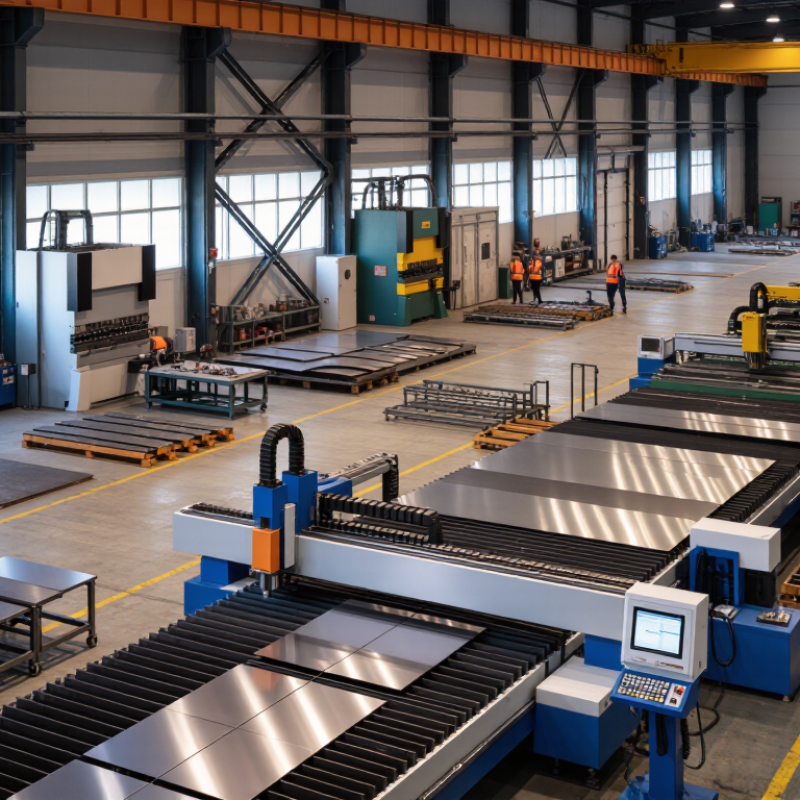
Steel fabrication equipment in 2026 covers far more than cutting machines. A practical workshop may need plate cutters, profile saws, press brakes, rolling machines, drilling systems, and welding units. Each machine handles a different stage of production. Fiber or plasma cutting systems prepare clean blanks from steel plate. Press brakes form accurate angles for frames, brackets, and enclosures. Rolling machines shape cylindrical shells and curved sections. Drilling and tapping equipment creates consistent holes for assembly.

Material handling equipment is equally important. Cranes, magnetic lifters, conveyors, and positioning tables reduce manual movement around heavy stock. Measurement tools include laser trackers, digital gauges, and portable coordinate systems. These tools help verify dimensions before welding or final finishing. Surface preparation may include shot blasting, grinding, deburring, and coating equipment. Dust extraction should match the process, especially in enclosed workshops. Poor ventilation remains an expensive mistake.

Modern fabrication lines often connect machines through production software. Operators can track drawings, cutting lists, inspection records, and maintenance intervals. Automation improves repeatability, but it does not remove the need for trained judgment. I have seen accurate machines produce poor parts when fixtures were misaligned. A perfect equipment list rarely exists. Buyers should check steel grades, thickness ranges, power standards, spare-part access, operator training, and local safety rules. A smaller machine can be wiser than an oversized system that remains idle. Performance data should be tested with representative materials before purchase.

Key Equipment Types for Cutting, Forming, Welding, and Finishing

Choosing the right steel fabrication equipment starts with the product range, not the machine catalog. A fiber laser cutter suits clean, repeatable profiles and reduces secondary grinding. Plasma systems remain practical for thicker plate and rougher cuts. Shears can handle straight blanks quickly, but they offer less shape flexibility.

Forming equipment must match thickness, bend length, and required accuracy. Press brakes with reliable angle control reduce rework around doors, frames, and structural parts. Roll forming machines support long, repeated sections, while plate rolls handle curved shells and tanks.

Welding equipment should support the chosen steel grades. MIG, TIG, and submerged arc systems each suit different production speeds and joint qualities. Proper fume extraction is essential, especially in enclosed workshops.

Finishing equipment may include shot blasting, grinding, deburring, and powder coating lines. Surface preparation often determines coating life more than the coating itself.

Tips:

Check local power supply, ventilation rules, spare-part access, and operator training before ordering. Request sample trials using your actual steel thicknesses. A perfect equipment list rarely exists. Some buyers overinvest in automation before stabilizing basic workflows. That mistake can create expensive downtime. Measure cycle time, dimensional accuracy, energy use, and maintenance response during testing. Keep inspection records for cut edges, bend angles, weld penetration, and coating adhesion. Small records build stronger supplier accountability.

How to Match Equipment Features with Fabrication Requirements

2026 Best Steel Fabrication Equipment for Global Buyers

Matching equipment to fabrication requirements starts with the material, not the machine catalog. Identify steel grades, thickness ranges, profile sizes, and required tolerances. A fiber laser may suit precise sheet cutting, while plasma equipment can handle thicker plate more economically. For structural beams, drilling, sawing, and automated coping capabilities often matter more than cutting speed.

Measure the complete workflow. Check daily production volume, available floor space, power supply, ventilation, and operator skill. A machine rated for twelve-hour shifts may be unsuitable where maintenance support is limited. Ask for verified cutting charts, positioning accuracy, cycle times, and energy data. Request a sample test using your actual steel thickness. Numbers without a practical test can mislead.

Safety and serviceability deserve equal attention. Look for guarded moving parts, clear emergency controls, accessible filters, and documented maintenance intervals. Confirm that replacement components, training, and remote support are available in the destination country. Local electrical standards and machinery safety rules must also be reviewed before purchase. It is tempting to choose maximum power, but oversized equipment can increase costs and waste floor space. No selection is perfect. Recheck the decision after comparing scrap rates, setup time, and the operator’s real working conditions.

2026 Best Steel Fabrication Equipment for Global Buyers

How to Match Equipment Features with Fabrication Requirements

The chart compares common equipment categories using an indicative 1–5 capability-fit score. Fiber lasers are well suited to thin-sheet precision and low heat input, plasma and oxy-fuel systems support thicker plate processing, while waterjet cutting is effective for complex profiles and heat-sensitive materials. Actual performance depends on material grade, thickness, power, automation level, and production volume.

Safety, Automation, Energy Efficiency, and Maintenance Considerations

2026 Best Steel Fabrication Equipment for Global Buyers

Safety, Automation, Energy Efficiency, and Maintenance Considerations

For global steel buyers, equipment selection should begin with workplace safety. Look for enclosed cutting zones, emergency stops, guarded moving parts, and clear operator controls. Fume extraction is also essential during cutting, welding, and grinding. A safer machine reduces injuries and supports more consistent production. Check whether safety functions meet the regulations in your operating region. Imported equipment may require additional inspection, training, or electrical adjustments.

Automation can improve accuracy, especially when fabricating repeated beams, plates, or structural frames. CNC controls, automatic material positioning, and sensor-based monitoring reduce manual errors. However, automation is not a substitute for skilled supervision. Operators still need practical training and access to reliable technical documentation. Energy use also deserves attention. Variable-speed drives, efficient motors, standby modes, and optimized cutting paths can reduce electricity consumption. Real savings depend on workload, material thickness, and local power costs.

Tips: Ask for measured energy data, not general claims. Keep spare sensors and wear parts nearby. A simple maintenance log helps identify unusual vibration, heat, or noise. Schedule cleaning before performance drops. This is often overlooked.

Maintenance planning should influence the purchase decision. Choose equipment with accessible service panels, common replacement parts, and remote diagnostic options where permitted. Supplier response time matters across borders. A low purchase price may become expensive when downtime lasts for weeks. I would also test sample material before approval, because advertised accuracy can change under real production conditions. No machine is perfect. Your process may expose weaknesses early.

2026 Best Steel Fabrication Equipment for Global Buyers - Safety, Automation, Energy Efficiency, and Maintenance Considerations

Practical comparison of widely used equipment categories. Values are typical planning ranges and vary by material grade, workpiece size, duty cycle, configuration, and applicable local regulations.

Equipment Category Typical Steel Capability Automation and Productivity Typical Electrical Demand Key Safety Controls Energy-Efficiency Considerations Maintenance Priorities
Fiber Laser Cutting Machine Thin to medium sheet and plate; commonly configured from approximately 0.5 mm to 25 mm for carbon steel, depending on laser power and process setup. High automation potential through CNC nesting, automatic height sensing, pallet changers, material towers, and optional loading and unloading systems. Approximately 20–80 kW total machine input for many industrial configurations; auxiliary systems can increase demand. Fully enclosed beam path, interlocked doors, emergency stops, fume extraction, fire detection, and laser safety procedures appropriate to the laser class. High wall-plug efficiency compared with conventional CO₂ laser systems; nesting, standby modes, and correct assist-gas pressure reduce energy per part. Clean and inspect protective windows, nozzles, lenses, filters, extraction ducts, cooling circuits, and automatic lubrication systems.
CNC Plasma Cutting System Medium to very thick carbon, stainless, and alloy steel plate; commonly used from approximately 3 mm to 50 mm or more, depending on the plasma process. Moderate to high automation through CNC programming, automatic torch height control, bevel cutting, plate alignment, and consumable monitoring. Approximately 30–120 kW during cutting, including the power source and typical auxiliaries; actual load depends strongly on amperage and duty cycle. Arc shielding, fume and dust extraction, grounded worktables, torch collision protection, compressed-gas controls, and protection against hot slag. Use the correct amperage, cutting speed, gas flow, and pierce settings; water tables or properly designed downdraft tables can improve fume control and heat management. Inspect electrodes, nozzles, swirl rings, torch leads, air or gas filtration, grounding, table slats, and extraction equipment.
CNC Press Brake Sheet and plate forming for carbon steel, stainless steel, and aluminum; capacity is determined by tonnage, bending length, tooling, and material thickness. High repeatability with CNC backgauges, angle measurement, offline programming, automatic tool changers, and robotic part handling on advanced lines. Approximately 5–30 kW for many hydraulic or electric-hydraulic machines; regenerative or fully electric designs may reduce idle consumption. Light curtains or laser-based safeguarding, two-hand controls where applicable, monitored foot pedals, safe operating modes, and guarded pinch points. Variable-speed hydraulic drives and electric servo systems reduce idle running; accurate angle control helps minimize rework and material waste. Check hydraulic oil, seals, filters, guideways, backgauge alignment, tooling condition, lubrication, and periodic safety-device validation.
Robotic Welding Cell Suitable for repeatable assemblies and structural components when joint access, fixture accuracy, and welding procedure requirements are controlled. Very high repeatability with robot programming, positioners, seam tracking, automatic wire feeding, fixture sensing, and production data collection. Approximately 10–45 kW average connected load for many cells, excluding large extraction systems; peak demand varies by welding process. Interlocked perimeter fencing, safety scanners, emergency stops, welding screens, fume extraction, grounding, and validated robot safety functions. Shorter arc-on times, optimized wire feed, pulse welding, controlled shielding-gas flow, and reduced rework improve energy use per finished assembly. Inspect contact tips, liners, wire-feed rolls, torch alignment, torch-cleaning units, cables, fixtures, extraction filters, and robot calibration.
CNC Beam and Profile Cutting Line Structural sections such as beams, channels, angles, flats, and hollow sections; capacity depends on section geometry and cutting technology. High automation through automatic measuring, drilling, marking, coping, material handling, nesting, and integration with production-management software. Approximately 15–70 kW connected load for typical multi-process lines, excluding building services and heavy material-handling equipment. Guarded transfer areas, access interlocks, emergency stops, anti-collision sensors, controlled lifting zones, and lockout/tagout procedures. Optimize nesting and remnant use, reduce unnecessary material movements, select efficient drive systems, and coordinate extraction with actual cutting demand. Maintain drills, saw blades or cutting heads, rails, rollers, measuring devices, clamps, lubrication points, extraction systems, and alignment accuracy.
Shot-Blasting and Painting Preparation Line Surface preparation for carbon-steel plate, structural sections, and fabricated assemblies; selection depends on required cleanliness and coating system. Moderate to high automation with continuous conveyors, automatic abrasive recovery, blast-wheel control, dust monitoring, and paint-line integration. Approximately 30–150 kW, mainly influenced by blast-wheel motors, ventilation, abrasive recovery, conveyors, and paint-booth equipment. Dust extraction, explosion-risk assessment where applicable, enclosed blast chambers, personal protective equipment, guarded rotating equipment, and paint-vapor controls. Use correctly sized blast wheels, maintain air-seal integrity, clean filters at the correct differential pressure, and control conveyor speed to avoid over-processing. Inspect blast wheels, liners, abrasive separators, filters, fans, conveyors, nozzles, booth seals, spray equipment, and corrosion-protection systems.
CNC Drilling and Tapping Machine Hole-making and tapping for plates, flanges, beams, and fabricated parts; diameter and thickness range depend on spindle power and tooling. High repeatability with automatic tool changers, probing, chip evacuation, barcode or job-data input, and integrated marking functions. Approximately 10–50 kW connected load for common industrial systems, with actual consumption varying by spindle speed, feed, and duty cycle. Fully guarded work envelope, door interlocks, chip containment, tool-break detection, coolant management, and safe handling of heavy workpieces. Use optimized cutting data, minimum-quantity lubrication where suitable, high-efficiency motors, and tool-life monitoring to reduce scrap and unnecessary passes. Monitor spindle bearings, coolant concentration, filters, chip conveyors, tool holders, probes, lubrication, and machine geometry.
Industrial Hydraulic Shear Fast straight-line cutting of sheet and plate; practical thickness depends on blade length, shear angle, material strength, and machine rating. Moderate automation through CNC backgauges, programmable cutting sequences, sheet supports, and automatic return or part handling. Approximately 7–35 kW for many hydraulic configurations; power demand is concentrated during cutting and hydraulic recharge cycles. Finger guards, blade-gap protection, hold-down guarding, rear-area safeguarding, emergency stops, and controlled access to the cutting zone. Use correct blade clearance and rake angle, avoid unnecessary idle operation, and maintain hydraulic efficiency to reduce heat generation. Check blade sharpness and clearance, hydraulic oil and filters, cylinders, clamps, backgauge alignment, lubrication, and safety interlocks.

Buyer checklist: Verify compliance with the machinery, electrical, laser, welding, dust, noise, and workplace-safety requirements applicable in the destination country. Request documented cycle-time assumptions, connected-load data, extraction requirements, spare-parts availability, operator training, preventive-maintenance schedules, and acceptance-test criteria before purchase.

How Global Buyers Can Evaluate Suppliers, Costs, and Compliance

2026 Best Steel Fabrication Equipment for Global Buyers

Global buyers should evaluate equipment beyond the purchase price. World Steel Association data recorded about 1.88 billion tonnes of crude steel production in 2024. That scale increases pressure on cutting accuracy, welding speed, and machine uptime.

Ask suppliers for measured cycle times, power consumption, maintenance records, and sample cuts using your steel grade. A low quotation can hide installation delays, spare-part shortages, or expensive operator training.

Compliance must be checked before signing. Request electrical certificates, machine-risk assessments, guarding details, and documented emergency-stop tests.

Confirm that manuals match the destination country’s language and safety requirements. ISO 9001 certification can support quality control, but it does not guarantee excellent equipment.

The ILO estimates nearly 3 million workers die annually from work-related incidents and diseases. Safety verification is therefore a purchasing issue, not paperwork.

Tips:

Build a weighted supplier scorecard. Give quality, safety, service, and total cost clear percentages.

Include freight, commissioning, tooling, energy, consumables, and five-year maintenance.

Require a factory acceptance test with your actual material thicknesses. Inspect weld consistency and cut-edge quality in person or through recorded evidence.

No scorecard is perfect. A supplier may pass documents yet struggle during production.

Recheck assumptions after the first month, especially energy use and downtime.

Industry reports provide useful benchmarks, but your factory data should decide the final purchase.

Request a Quote