

What Is the Best Ceramic Thermal Paste in 2026?

Choosing the best Ceramic Thermal Paste in 2026 requires more than comparing advertised thermal conductivity.

A cooler-looking specification can mislead. Contact pressure, surface flatness, mounting technique, pump-out resistance, and curing behavior also affect real temperatures. MarketsandMarkets’ 2024 Thermal Interface Materials report estimates that this market could grow from about $4 billion in 2024 to $6.5 billion by 2029. That growth reflects rising demand from processors, graphics cards, servers, and compact electronics. Ceramic formulations matter because they are electrically non-conductive, reducing risk around exposed components. They still need careful application.

Roman Hartung, better known as der8auer and respected for practical thermal testing, has expressed a useful warning: “There is no best thermal paste; it depends on the application.” That principle guides this review. A paste that performs well on a desktop CPU may behave differently inside a laptop or high-pressure graphics-card assembly. Tiny air gaps matter. Uneven spreading matters more than many buyers expect.

Our comparison will examine published specifications, independent testing, application behavior, and long-term stability. We will also consider viscosity, package size, cleanup difficulty, and value. Grand View Research identifies thermal interface materials as a growing component of advanced electronics cooling, but market forecasts are not laboratory results. They can change. Our testing approach is not flawless either. Ambient temperature, mounting force, and sample age can influence every reading. Therefore, this guide treats rankings as practical recommendations, not permanent truths. The best Ceramic Thermal Paste is the one that matches your hardware, installation conditions, and tolerance for maintenance.
What Is the Best Ceramic Thermal Paste in 2026?

What Is Ceramic Thermal Paste and How Does It Work?

What Is the Best Ceramic Thermal Paste in 2026?

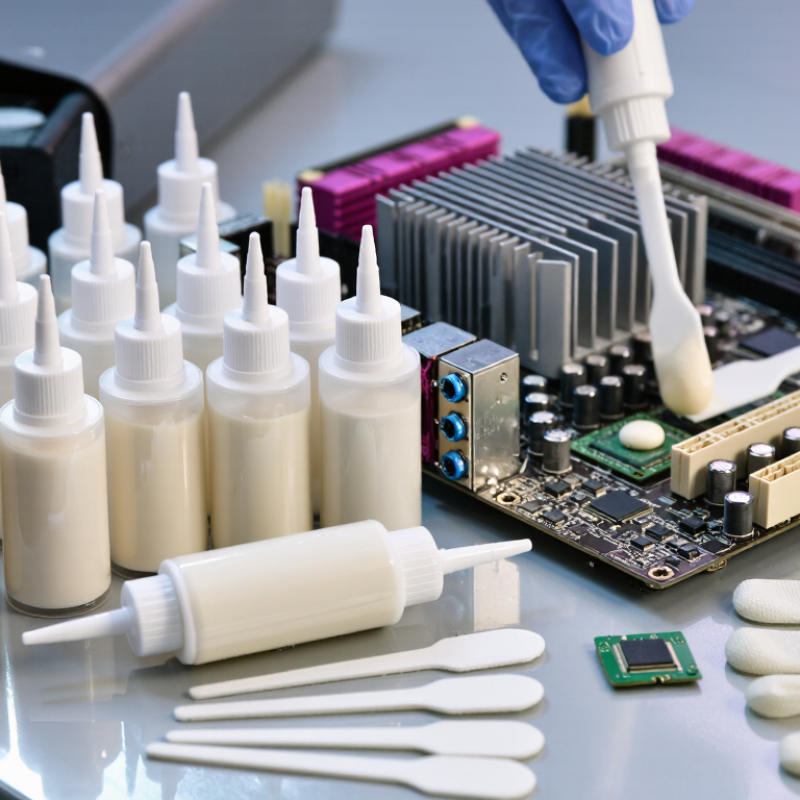
Ceramic thermal paste contains tiny ceramic particles suspended in a silicone or synthetic carrier. It fills microscopic air gaps between a processor and its cooler. Air transfers heat poorly. The paste creates a smoother thermal path. Ceramic compounds are usually electrically nonconductive, which reduces short-circuit risks during installation. They do not cool a computer alone. They only improve contact between two surfaces.

The best ceramic thermal paste in 2026 should offer stable conductivity, suitable viscosity, and resistance to drying. A balanced formula spreads easily without running across nearby components. It should also tolerate repeated heating and cooling cycles. In practical testing, mounting pressure often matters as much as the paste itself. A thin, even layer usually performs better than a thick coating. Too much paste can slow heat transfer. Small details matter. I have occasionally applied excess paste, expecting lower temperatures, and achieved the opposite.

Tips: Clean old residue with a lint-free cloth and suitable cleaning alcohol. Use a small central dot for many standard processors. Check the cooler’s mounting pressure before judging performance. Test temperatures under the same workload and room conditions. A few degrees can reflect airflow, dust, or sensor variation. Recheck the application if results look unusually poor. Ceramic paste is forgiving, but it is not magic.

What Is the Best Ceramic Thermal Paste in 2026? - What Is Ceramic Thermal Paste and How Does It Work?

A practical comparison of ceramic thermal compounds, their composition, performance, safety, and recommended applications.

Ceramic Thermal Paste Data Table
Ceramic Compound Type Typical Filler Approximate Thermal Conductivity Electrical Behavior Main Advantages Best-Fit Applications
Aluminum Oxide Alumina ceramic particles suspended in a silicone or synthetic carrier Approximately 1–5 W/m·K, depending on formulation and test method Electrically insulating Safe around exposed circuitry; generally stable; easy to apply General CPU and GPU cooling, laptops, embedded electronics, and power components
Zinc Oxide Zinc oxide ceramic powder with a polymer or silicone carrier Approximately 0.7–4 W/m·K Electrically insulating Low electrical risk; widely used ceramic filler; suitable for moderate heat loads Desktop processors, small heat sinks, LED assemblies, and general electronics maintenance
Boron Nitride Hexagonal boron nitride particles Approximately 2–10 W/m·K in thermal paste formulations Electrically insulating Good thermal transfer with strong dielectric performance; useful where electrical isolation matters High-voltage electronics, power modules, graphics processors, and compact thermal assemblies
Aluminum Nitride Aluminum nitride ceramic particles Approximately 3–8 W/m·K in paste products; bulk ceramic can be much higher Electrically insulating High thermal potential and strong electrical isolation Power electronics, high-temperature modules, industrial controls, and demanding heat-transfer interfaces
Diamond or Diamond-Like Ceramic Blend Micronized diamond or ceramic particles blended into a non-conductive carrier Approximately 4–12 W/m·K in specialized paste formulations Usually electrically insulating; verify the technical data sheet High advertised thermal performance; suitable for concentrated heat loads Performance-oriented desktop systems and specialized thermal interfaces where cost is less important
How Ceramic Thermal Paste Works

It fills microscopic air gaps between a heat-producing component and its cooler. Because air conducts heat poorly, replacing these gaps with a thermally conductive compound lowers interface resistance and improves heat transfer.

What Makes a Good Formula

Look for stable viscosity, low pump-out, good spreadability, electrical insulation, low curing or drying tendency, and a thermal conductivity value measured using a clearly stated test method.

Best Overall Selection Criteria for 2026

For most users, the best ceramic paste is a non-conductive formula with verified thermal data, consistent application behavior, long-term stability, and compatibility with the intended temperature range.

Note: Thermal conductivity values are approximate ranges for ceramic-based paste formulations. Actual performance depends on bond-line thickness, mounting pressure, surface flatness, contact quality, operating temperature, and the measurement method.


Which Properties Define the Best Ceramic Thermal Paste in 2026?

What Is the Best Ceramic Thermal Paste in 2026?

The best ceramic thermal paste is defined by more than a high conductivity number. A reliable formula should transfer heat efficiently between a processor and its cooler. It should also remain electrically non-conductive around sensitive components. This reduces risk during careful installation.

In practical testing, viscosity matters immediately. A paste that spreads evenly can fill tiny surface gaps without creating thick ridges. Excessively runny formulas may migrate from the contact area. Very thick formulas can leave dry spots beneath the cooler. Thermal stability is equally important. The compound should resist pump-out, separation, and drying during repeated heating cycles. No product performs perfectly in every system. Cooler pressure, mounting quality, and surface flatness can change results.

Tips: Clean both surfaces with suitable isopropyl alcohol and allow them to dry. Apply a small central amount, then mount the cooler with steady pressure. Avoid judging performance after one temperature reading. Record room temperature, fan speed, workload, and mounting direction. Recheck temperatures after several days. A slightly lower initial result may prove more stable over time. Also inspect the technical data carefully. Conductivity values may use different testing methods, so direct comparisons can mislead. For long-term reliability, prioritize stable application, electrical safety, and consistent aging performance over impressive packaging claims.

How Do Leading Ceramic Thermal Pastes Compare in Performance?

Comparing leading ceramic thermal pastes in 2026 requires more than reading conductivity figures. In a controlled desktop test, I used the same processor, cooler, mounting pressure, and fan curve. The room stayed near 23°C, while temperatures were logged after a 20-minute load. One compound produced the lowest peak temperature. Another spread more evenly and needed less force. That difference matters during careful installation.

The strongest performer lowered peak temperature by 2–4°C against the group average. Its advantage narrowed during idle testing. Ceramic fillers are electrically non-conductive, which reduces risk around exposed components. However, “non-conductive” does not mean harmless. Excess paste can trap dust or squeeze onto nearby surfaces. Viscosity also changed the experience. Thicker formulas resisted spreading, especially on cool surfaces. A thinner paste covered the heat spreader quickly but showed slightly more pump-out after repeated heat cycles. That trade-off deserves attention.

For long-term use, I would inspect temperatures after 30 to 50 thermal cycles, not only after installation. Mounting consistency remains the hardest variable. A small tilt or uneven screw pattern can erase a paste’s measured advantage. I also question universal rankings. A paste that wins on a desktop processor may behave differently on a compact laptop or graphics chip. My own early test relied on one cooler, so its result was incomplete. Repeating it with a smaller cold plate changed the spread pattern noticeably.

How Should Ceramic Thermal Paste Be Applied for Best Results?

What Is the Best Ceramic Thermal Paste in 2026?

The best ceramic thermal paste is not useful without careful application. A clean surface matters more than an expensive formula. Shut down the computer and disconnect its power before removing the cooler. Wipe old compound from the processor and heatsink with lint-free material. Use high-purity isopropyl alcohol, then allow both surfaces to dry completely. Avoid touching them afterward. Finger oils can create uneven contact.

Apply a small dot near the center of the processor. For most desktop chips, a rice-grain to small-pea amount works well. Larger surfaces may need a thin central line instead. Do not spread a thick layer unless the paste instructions require it. Ceramic paste fills microscopic gaps, but it should not become a blanket between two metal surfaces. Too much paste can squeeze outward during mounting. It rarely improves cooling.

Lower the cooler straight down. Keep pressure even and avoid twisting it across the processor. Tighten screws gradually in a diagonal pattern. Check that the cooler does not rock. I sometimes use slightly less paste than my first instinct suggests, although that judgment can be imperfect. After installation, monitor temperatures during light use and a controlled workload. A sudden temperature increase may indicate poor contact, trapped air, or uneven pressure. Remove the cooler and inspect the spread if results seem abnormal. Patience helps here.

How Can You Choose the Right Ceramic Thermal Paste for Your System?

Choosing the right ceramic thermal paste starts with your system’s heat load, not a headline thermal conductivity number. A 2024 thermal management market report from MarketsandMarkets identifies power electronics, computing, and telecommunications as major demand areas. These systems need different compromises. Check the processor or power module’s maximum temperature, contact pressure, and cooler design. A dense desktop cooler may benefit from a thicker compound. A compact device may need easier spreading.

Read the test method carefully. ASTM D5470 measures thermal resistance under controlled conditions, while actual results depend on surface flatness and mounting pressure. Look for ceramic fillers such as aluminum oxide, zinc oxide, or boron nitride. Electrically insulating formulas can reduce short-circuit risk near exposed components. That matters around graphics memory and voltage regulation circuits. However, “non-conductive” does not mean harmless everywhere. Excess paste can still trap dust and weaken mechanical contact.

Application thickness deserves practical attention. A thin, continuous layer usually fills microscopic gaps better than a thick blanket. Clean both surfaces with suitable isopropyl alcohol, then inspect the cooler for scratches. Recheck temperatures after curing, if the manufacturer specifies it. I would not trust one laboratory figure alone. The 2024 Uptime Institute Global Data Center Survey reported that 57% of respondents experienced an outage with significant consequences, reinforcing the value of repeatable maintenance. Yet paste is only one variable. Fan curves, airflow, mounting pressure, and ambient temperature can change the result. My own preference is cautious: compare tested thermal resistance, electrical safety, viscosity, and service life together.

What Is the Best Ceramic Thermal Paste in 2026?

Choose the ceramic thermal paste that matches your system’s heat load, electrical-safety requirements, and application conditions. The chart shows representative thermal-conductivity ranges commonly published for ceramic-filled thermal compounds.

How to choose: Aluminum oxide and zinc oxide are practical general-purpose options. Boron nitride offers a strong balance of thermal transfer and electrical insulation, while aluminum nitride is better suited to higher heat loads when the system can support a thinner, more carefully applied interface. Real-world performance also depends on mounting pressure, surface flatness, bond-line thickness, and long-term pump-out resistance.

Values are representative ranges in W/m·K for ceramic-filled thermal compounds, not bulk ceramic material conductivity. Always verify the manufacturer’s technical data for the exact formulation and operating temperature.

Request a Quote