
How to Choose a Cold Foil Printing Machine in 2026?

Choosing a Cold Foil Printing Machine in 2026 means balancing print quality, production speed, and real operating costs. Market reports offer useful context, but they cannot choose a machine for your pressroom. Smithers’ The Future of Global Printing to 2028 examines broad changes across print markets, while PRINTING United Alliance’s annual State of the Industry research tracks industry conditions and business priorities. These sources help frame investment decisions. They do not replace a substrate test or a careful review of machine specifications.

Start with the work the machine must actually do. Will it run paperboard, labels, or flexible packaging? Compare supported web widths, line speeds, foil-release systems, registration controls, and compatibility with your existing press. Ask suppliers to demonstrate a demanding job, not just a perfect sample. Watch the foil at fine type, around sharp curves, and across large solid areas. Check waste levels during startup, too. Small details count. A glossy sample may hide slow changeovers, difficult tension control, or excessive foil consumption.

Published forecasts are useful, but their scope can be broad. I would not treat a market-growth estimate as proof that a particular machine will pay back quickly. Request references from printers with similar materials and volumes, then compare service response times, spare-part availability, and operator training. A short production trial can expose assumptions that a brochure misses. It may also reveal that the best choice is not the fastest model. That is easy to overlook. The right decision depends on measurable results from your own jobs, not impressive claims alone.
How to Choose a Cold Foil Printing Machine in 2026?

Understand How Cold Foil Printing Machines Work

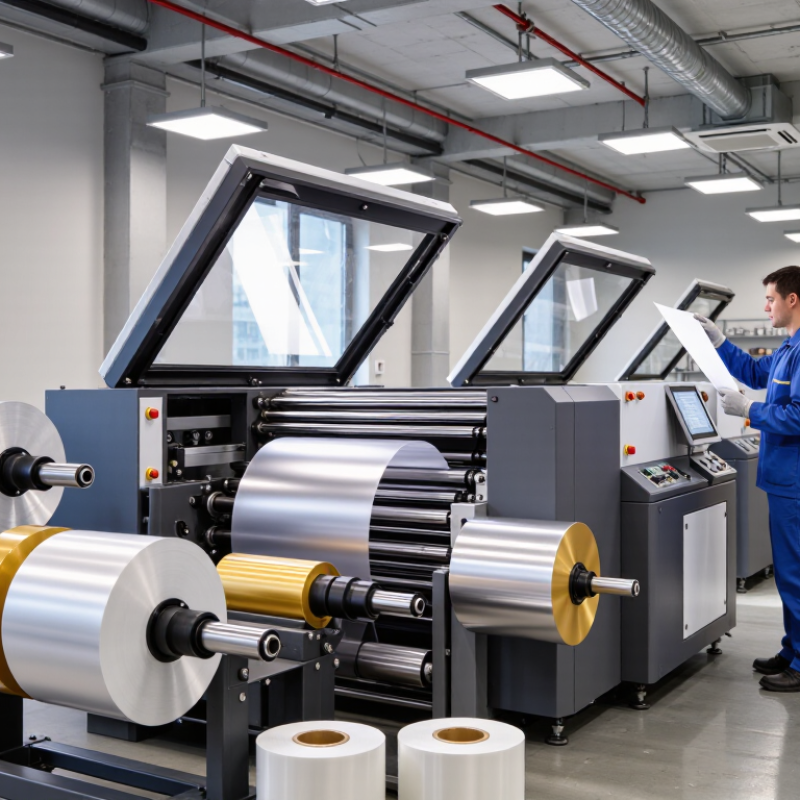
Cold foil printing transfers a thin metallic layer onto selected areas of a moving sheet or web. Unlike hot stamping, it usually does not use a heated die. The machine first applies a clear adhesive in the shape of the artwork. A foil roll then meets the adhesive-coated surface at a controlled nip.

Pressure brings the foil into contact with the adhesive. The adhesive is cured, often with ultraviolet light, and the carrier film is rewound. Foil stays only where adhesive was applied. Small shifts matter. A slight mismatch can leave edges that look fuzzy, especially around fine text. The process depends on steady web tension, accurate registration, and even pressure—not just the foil itself.

When assessing a machine, look at how it controls these steps at your intended speed and material width. Check whether the adhesive unit, curing system, and foil rewind can be adjusted without interrupting production. Ask to see a sample using your actual stock; coated paper and flexible film can behave differently. In practice, setup is rarely perfect on the first pass. That is worth considering. A useful machine should make adjustment repeatable, with clear controls for alignment and tension, rather than relying on an operator’s guesswork.


Define Your Production Needs and Required Foil Effects

How to Choose a Cold Foil Printing Machine in 2026?

Define Your Production Needs and Required Foil Effects

Before comparing machines, map your actual jobs. Record the substrate types, sheet or web width, typical run length, and expected weekly output. A packaging line running long batches needs different throughput from a shop handling frequent, short jobs. Note your registration tolerances too. Fine foil lettering can show even slight misalignment.

Describe the effects your designs require. Do you need crisp metallic lines, broad foil panels, or several foil areas on one piece? Check whether your artwork relies on fine details or large solid coverage. Substrate behavior matters: coated paper, uncoated stock, and film may respond differently to adhesive and pressure. Ask for a sample test using your material and representative artwork. A showroom sample may look perfect, but it may not reflect your production conditions. I still find this easy to underestimate.

Tips: Bring real files and stock samples to a machine trial. Check foil transfer, registration, waste, and changeover time. Keep the test settings.

Also consider how often jobs change. Quick setup can matter more than peak speed when orders vary. Review operator access, cleaning steps, and the availability of clear process documentation. Ask what adjustments are needed when foil coverage changes. Then compare results against your own quality targets, not just the machine’s headline specifications. A practical trial may reveal an awkward setup or a detail your team can improve. That is useful information, too.

Compare Machine Types, Configurations, and Press Compatibility

Choosing a cold foil printing machine starts with the press already on your floor. Standalone units offer flexibility for varied jobs, while inline modules can reduce handling between printing and foiling. Retrofitted systems may cost less, but available space and press access can limit installation. Small details matter. Check the foil path, operator access, and roll-change clearance before comparing headline speeds.

Configuration should match the work, not an ideal production target. Confirm sheet or web format, usable width, tension control, registration capability, and supported foil rolls. For inline setups, check whether the press can apply the required adhesive and provide suitable curing. A machine may fit mechanically yet struggle with your substrate, delivery system, or control interface. That gap is easy to miss. I would also question advertised speed unless it reflects the stock, coverage, and registration accuracy you actually need.

Ask for trials using your own paper, film, and artwork. Inspect fine lines, solid areas, edge definition, and foil release after handling. Record setup time, waste, and changeover effort, not just running speed. One awkward point: test results can look excellent on a short run and become less convincing during a full shift. Confirm electrical and mechanical requirements, service access, and operator training before purchase. A written compatibility checklist can prevent expensive surprises.

Evaluate Print Quality, Speed, Automation, and Operating Costs

A cold foil printing machine should be tested with the materials and artwork you actually use. Inspect fine text, solid foil areas, and registration against the printed image. Look for clean edges, even shine, and consistent adhesion across the sheet. Small details matter. Run a trial on your usual stock, not only on a supplier’s sample. A specification sheet can look reassuring, yet it may not show how the machine handles your real jobs.

Speed matters, but compare usable output rather than the fastest stated rate. Ask how quickly operators can set up a job, change rolls, and correct registration. Automation can reduce manual adjustments and waste, especially during repeat runs. Still, extra controls do not guarantee easier production. Check whether operators can understand alarms and make routine changes without waiting for specialist support. A short demonstration with your own job file can reveal awkward steps.

Estimate operating costs beyond the purchase price. Include foil use, setup waste, maintenance, energy, and staff training. Ask how often common parts need attention and whether routine service can be done in-house. Then compare the cost per acceptable finished sheet at your expected volume. The result may be imperfect: waste and downtime vary between jobs. Track both during a production trial, and keep room in your budget for learning the machine.

Check Safety, Service Support, and Supplier Reliability Before Buying

When choosing a cold foil printing machine in 2026, inspect safety features in person, not just in a brochure. Check that guards cover moving rollers and that emergency stops are easy to reach from normal operator positions. Ask how the machine is isolated before cleaning or maintenance. Watch a demonstration with foil running through the actual feed path. A tidy showroom tells you little about daily access. Small detail, big difference.

Supplier support matters after installation. Request written response times, training details, and a list of commonly stocked replacement parts. Ask who handles troubleshooting and whether technicians can support your site remotely or in person. References from printers using similar materials and production volumes can reveal useful patterns. Still, one reference cannot predict every breakdown; I would compare several and ask what went wrong, not only what worked. Reliability is often proven on an ordinary Tuesday.

Tips: Get the service terms in writing. Confirm spare-part lead times. Ask to review maintenance schedules and safety documents before paying a deposit. If an answer feels vague, pause and ask again.

Request a Quote