How to Choose the Best Steel Fabrication Shop for Your Projects in 2025
In the rapidly evolving landscape of manufacturing, the importance of selecting the right steel fabrication shop has never been greater. According to a report by MarketsandMarkets, the global steel fabrication market is expected to reach USD 267.7 billion by 2025, illustrating a compound annual growth rate (CAGR) of 4.3% from 2020. This growth is fueled by increasing infrastructural developments and the rising demand for customized steel structures across various industries, including construction, automotive, and energy. As projects become more complex and precise, choosing a reputable steel fabrication shop becomes a critical factor in ensuring not only the quality and durability of the end product but also adherence to compliance and safety standards.
Furthermore, the American Institute of Steel Construction (AISC) indicates that about 40% of construction-related delays are attributable to material sourcing and fabrication issues. Therefore, selecting a steel fabrication shop that guarantees timely delivery, advanced technology, and skilled personnel can greatly mitigate these risks. With numerous shops claiming to offer the best services, discerning which one aligns with specific project needs requires a careful evaluation of their capabilities, expertise, and past performance. As we delve into the top criteria to consider when choosing a steel fabrication shop in 2025, understanding these industry dynamics will equip stakeholders with the knowledge to make informed decisions for their projects.

Assessing the Qualifications and Experience of Steel Fabrication Shops
When selecting a steel fabrication shop for your projects in 2025, assessing the qualifications and experience of potential candidates is paramount. Start by reviewing the shop's certifications and industry standards, such as ISO or AWS. These certifications indicate a commitment to quality and adherence to best practices in fabrication processes. Inquire about their specialization in the type of steel work you require, whether it be structural, sheet metal, or custom fabrication. A shop with targeted expertise can better meet your project's specific demands.
Experience is another critical factor. Look for shops with a proven track record in handling projects similar to yours. Request case studies or references that highlight their past work and client feedback. An experienced shop will demonstrate not only technical expertise but also the ability to troubleshoot and adapt to challenges that may arise during fabrication. Furthermore, consider the longevity of the shop in the industry; a well-established shop likely has a reputation and established relationships that can benefit your project. By carefully evaluating these qualifications, you can ensure that you choose a fabrication partner that aligns with your project's goals and standards.

Evaluating the Range of Services Offered by Fabrication Companies
In 2025, selecting the ideal steel fabrication shop requires a deep understanding of the comprehensive range of services offered by fabrication companies, particularly in the context of Industry 4.0 technologies. As reported by industry analysts, there has been a significant increase in the adoption of IoT, AI, and cloud computing within the manufacturing sector, with projections suggesting that smart manufacturing technologies could generate over $400 billion in new value by 2030.

When evaluating fabrication services, it is crucial to consider how well a shop integrates these advanced technologies into their processes. A fabrication company's ability to leverage data analytics can enhance production efficiency, reduce waste, and improve overall quality. Recent data indicates that businesses embracing Industry 4.0 technologies have reported a 15-20% increase in productivity, underscoring the competitive advantage gained from modernized operations. Therefore, assessing a shop's capability to utilize these innovative tools will be paramount in selecting the best partner for your projects.
Understanding Pricing Models and Budgeting for Steel Fabrication Projects
When planning a steel fabrication project, understanding pricing models is essential to maintaining your budget. Different shops may employ various pricing strategies, including fixed pricing, time and materials, or value-based pricing. Fixed pricing provides clarity, allowing you to know the total cost upfront, while time and materials can be more flexible but may lead to budget overruns if not closely monitored. Make sure to discuss the preferred pricing model with your chosen shop to ensure it aligns with your project's needs.
Tips: When evaluating pricing, don’t just look for the lowest bid. Consider the overall value, including quality, turnaround time, and customer service. Often, a slightly higher price can lead to better results and fewer issues down the line. Always request a detailed breakdown of costs to identify where your money is going.
Budgeting for steel fabrication also requires accounting for unexpected expenses. It’s wise to include a contingency budget of about 10-15% of the total project cost. This reserve can cover unforeseen issues, such as material price fluctuations or design changes. Communicate openly with your fabricator about potential risks to better prepare for any changes that may affect your budget.
How to Choose the Best Steel Fabrication Shop for Your Projects in 2025
| Criteria |
Importance (1-5) |
Average Cost Per Hour |
Lead Time (weeks) |
Quality Rating (1-10) |
| Reputation |
5 |
$100 |
4 |
9 |
| Experience |
4 |
$95 |
5 |
8 |
| Costs |
4 |
$110 |
3 |
7 |
| Certifications |
5 |
$105 |
2 |
9 |
| Customer Service |
3 |
$90 |
6 |
8 |
Researching Customer Reviews and Industry Reputation for Fabrication Shops
When selecting a steel fabrication shop for your projects in 2025, researching customer reviews and industry reputation is critical. Customer feedback provides valuable insights into the quality of workmanship, reliability, and overall satisfaction. Online platforms and industry-specific forums can offer a wealth of experiences shared by previous clients, highlighting both strengths and weaknesses of various shops. Look for trends in reviews—if multiple customers praise a particular aspect, such as timely delivery or exceptional customer service, it’s likely indicative of a shop’s standard practices.
In addition to customer reviews, evaluating the industry reputation of fabrication shops is essential. Consider their standing with local trade organizations and any certifications they may hold. Shops that are recognized for their quality and compliance with safety standards often possess a track record of excellence. Engaging in conversations with other professionals in your network can also yield recommendations based on firsthand experiences. Combining customer insights with industry reputation will guide you in choosing a fabrication shop that not only meets your project’s needs but also positions your work for success in a competitive environment.
Steel Fabrication Shop Customer Review Ratings (2025)
Identifying Key Technologies and Equipment Used in Modern Fabrication Processes
In 2025, selecting the best steel fabrication shop will increasingly leverage
advanced technologies,
particularly digital twin technology,
to enhance project outcomes. Digital twins enable manufacturers to create
high-resolution models and simulations that replicate both the design and operational
characteristics of physical assets. This allows for more precise manufacturing processes,
significantly reducing errors and optimizing production workflows. The integration of
digital twin technology in fabrication not only streamlines operations but also supports
innovative applications such as product design and testing, fostering a more agile and
responsive manufacturing environment.
Moreover, the expansion of modern
Manufacturing Execution Systems (MES)
relies heavily on these advanced technological trends. MES solutions, which can be
deployed on-premises, in the cloud, or in hybrid formats, are essential for tracking
production processes and ensuring quality control across various discrete industries
including automotive, aerospace,
and electronics. As the demand for efficient production
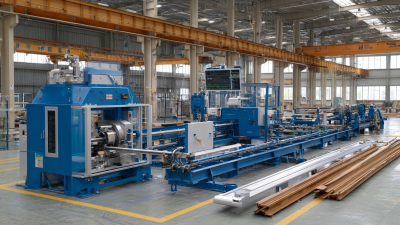
methods grows, understanding the critical technologies and equipment in modern fabrication
becomes essential for stakeholders aiming to remain competitive in an ever-evolving market
landscape. Emphasizing these technologies will undoubtedly contribute to market growth and
drive the transformation of the steel fabrication industry towards a more
intelligent, data-driven future.