
A generator is easy to overlook until the lights go out, a pump stops, or a refrigerated room begins to warm. Choosing Generator Sets is not simply a matter of buying the largest unit available. The right choice depends on what must keep running, how long it must run, and the conditions at the installation site. A quiet office backup has different needs from a construction site facing dust, cold mornings, and changing loads.
The International Energy Agency’s Electricity 2024 report projected global electricity demand would grow by an average of 3.4% annually through 2026. That wider trend makes dependable power planning increasingly relevant, though it does not determine which generator fits a particular site. For practical context, the U.S. Energy Information Administration’s Form EIA-860 collects information on generator capacity, technology, and fuel. Those categories point to useful comparison criteria, not a one-size-fits-all answer.
This guide explains how to assess required power, fuel options, runtime, noise, maintenance, and installation constraints. It also considers the difference between starting loads and steady operating loads, a detail that can be missed when buyers focus only on a headline kilowatt rating. Check the actual equipment specifications and ask a qualified supplier to verify your load calculations. Small assumptions matter. Even a well-matched unit may disappoint if its site, service plan, or operating conditions were guessed rather than measured.
Assess Your Required Power Capacity
Start with the equipment you need to run at the same time. Record each item’s running watts from its nameplate, then check its manual for starting watts. A well pump, refrigerator, or air compressor may briefly need much more power when its motor starts. Add those startup demands carefully; do not simply add every appliance’s peak rating if they will not start together. Check whether your generator’s rating is stated in kilowatts or kilovolt-amperes, too.
The U.S. Energy Information Administration reports that the average U.S. residential utility customer used 10,791 kilowatt-hours in 2022. That figure helps describe annual energy use, but it cannot size a generator: short peak loads matter more. A written load list gives you a more useful estimate. Leave a modest capacity margin for unexpected loads, but avoid buying far beyond your needs. Oversizing can increase purchase and operating costs. A first estimate may still miss a motor’s actual surge, so verify critical equipment specifications before choosing.
Tips: Use a plug-in watt meter for appliances where practical, and ask a qualified electrician to assess fixed circuits. Note which loads must run together during an outage. Keep the list handy.
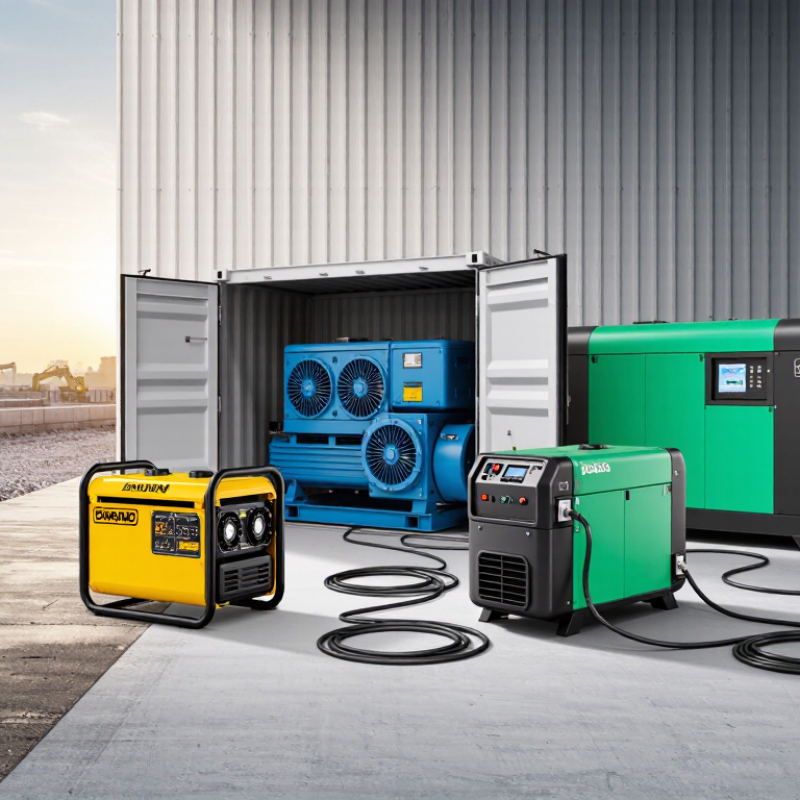
Choosing a generator starts with the equipment you need to run. Portable models suit temporary outdoor use, such as powering a refrigerator and several lights during an outage. Inverter models often provide steadier power for electronics and run more quietly at low loads. Standby units can start automatically, but require careful sizing and professional installation. Each has limits. A small generator may struggle when a refrigerator compressor starts, even when its running wattage seems sufficient.
Fuel choice affects convenience, runtime, and maintenance. Gasoline is widely available, but stored fuel can lose quality over time. Propane stores well, though runtime depends on tank size and cold-weather conditions. Diesel can work well for sustained loads, but the equipment may be heavier and need regular servicing. Natural gas can provide a steady supply where a suitable connection exists, but service interruptions remain possible. I would not choose by fuel price alone; actual use matters more.
Tips: List each appliance’s running and starting watts, then allow a margin. Test the setup outdoors, away from windows and doors, and follow the manufacturer’s operating instructions. Keep it practical. A generator that meets every theoretical need may be more costly than the few loads you truly need during an outage.
| Generator Type | Common Fuel | Typical Output Range | Best Suited For | Key Advantages | Important Considerations |
|---|---|---|---|---|---|
| Conventional portable generator | Gasoline | About 2–10 kW | Temporary home backup, outdoor work, and job sites | Widely available; many models are easy to transport and set up. | Must operate outdoors; gasoline needs safe storage and can deteriorate over time. Output quality and noise vary by model. |
| Inverter generator | Gasoline; some models use propane or both | About 1–7 kW | Camping, recreation, sensitive electronics, and smaller backup loads | Usually quieter and more fuel-efficient at lighter loads than conventional portable units; inverter output is suitable for many electronic devices. | Often costs more per kilowatt and may not provide enough capacity for large appliances or whole-home backup. |
| Portable dual-fuel generator | Gasoline and propane | About 3–12 kW | Backup power where having a choice of fuel is useful | Can operate on either fuel, offering flexibility if one fuel is unavailable. | Available output can differ between fuels; check the rated wattage for each. Propane cylinders and gasoline both require safe handling and storage. |
| Diesel generator set | Diesel | About 5 kW to several megawatts | Commercial facilities, construction sites, and extended or frequent operation | Commonly available in durable, higher-capacity configurations; diesel fuel is less volatile than gasoline. | Purchase, installation, servicing, and emissions requirements vary. Fuel can degrade or become contaminated during long storage. |
| Standby generator set | Natural gas or propane | About 7–150 kW for many residential and light-commercial units | Automatic backup for homes or facilities with a professionally installed transfer switch | Can start automatically during an outage; natural gas supply may be continuous where a reliable utility connection exists. | Requires permanent installation, correct sizing, and permits where applicable. A natural-gas outage can affect fuel availability; propane requires an adequately sized tank. |
| Large industrial generator set | Diesel, natural gas, or other specified fuels | Several hundred kW to multiple MW | Hospitals, data centers, industrial sites, and large critical loads | Can be configured for substantial loads and critical-power systems. | Requires engineering, fuel planning, ventilation, noise control, emissions compliance, and scheduled professional maintenance. |
Selection tip: Add the running watts of the equipment you need to power, then account for the higher starting watts required by motors such as pumps and refrigerators. Actual output, fuel consumption, runtime, noise, and installation requirements depend on the specific model and operating conditions. Never run a generator indoors or in an enclosed space; follow its safety instructions and applicable local codes.
Runtime matters most when the power fails at night and the refrigerator, lights, and medical equipment still need electricity. The U.S. Energy Information Administration reported an average customer interruption duration of 5.6 hours in 2022, including major-event days. Use that figure as context, not a sizing rule: outages vary by location. Estimate your essential loads, then compare expected runtime at that load—not just the longest advertised runtime. A generator tested at a light load may run much longer than one carrying several appliances. I would treat any single runtime figure cautiously; real demand rises and falls.
Fuel efficiency is best judged from consumption figures at comparable load levels, such as gallons per hour at 25%, 50%, and 75% output. Check the test conditions and fuel type. A spreadsheet can still mislead. Noise deserves equal attention. NIOSH recommends limiting occupational exposure to 85 dBA over an eight-hour workday; this is a workplace exposure guideline, not a comfort rating for home use. Ask for sound measurements and the distance used, since placement changes what people nearby hear. Still loud. A modest difference can matter when a unit runs through the night, especially near bedrooms or neighboring homes.
How to Choose the Best Generator Sets for Your Needs
Check Safety Features and Installation Needs
A generator’s rated output matters, but safe placement and connection matter just as much. Look for overload protection, a low-oil shutdown, and carbon-monoxide (CO) detection or shutdown features. The U.S. Consumer Product Safety Commission reported an annual average of 85 CO-poisoning deaths associated with portable generators in 2019–2021. Treat exhaust as a serious hazard. The Centers for Disease Control and Prevention advises operating generators at least 20 feet from homes, with exhaust directed away from doors, windows, and vents. Never run one in a garage, even with the door open.
Plan installation before buying. A qualified electrician can calculate starting loads and select a compatible transfer switch, helping prevent unsafe backfeeding into utility lines. Check local requirements, ventilation, fuel storage, and service access. For emergency standby systems, NFPA 110 outlines practices for installation, inspection, and maintenance. A tight equipment corner may look convenient, but it can restrict airflow and make repairs difficult. I’ve seen placement treated as an afterthought; it shouldn’t be.
Tips: Measure the site and note nearby windows before delivery. Keep the manual accessible. Test the system under load, and arrange routine maintenance. Small checks matter.
How to Choose the Best Generator Sets for Your Needs
Match Your Budget to Maintenance Costs
A low purchase price can hide a costly service routine. Compare expected annual spending on oil, filters, coolant, batteries, inspections, and labor before choosing a generator set. Ask suppliers for a written maintenance schedule and estimated parts costs. Then price the work with a local technician; labor rates and travel time can change the real total. Small details matter.
Fuel prices also affect the budget available for upkeep. The U.S. Energy Information Administration reported an average U.S. on-highway diesel price of about $4.21 per gallon in 2023. Generator fuel may be taxed or priced differently, so use local delivered quotes for your calculation. Set aside a separate reserve for planned servicing and unexpected repairs. A spreadsheet helps, though estimates can still miss a failed battery or a hard-to-source filter.
Tips: Compare five-year ownership costs, not just the invoice. Check required service intervals, test-load costs, and parts availability. Follow the service schedule for your operating conditions. If the set runs rarely, don’t assume it needs no attention; batteries and fuel can still deteriorate. A reserve of 10–15% above your quoted annual maintenance estimate is a practical starting point, not a guarantee.
Match your purchase budget to the ongoing cost of routine maintenance.
These illustrative U.S. planning estimates compare typical purchase budgets with annual routine maintenance for different generator capacities. Purchase costs exclude installation; maintenance excludes fuel and major repairs. Actual costs vary with generator type, operating hours, location, and service schedule. The chart uses separate scales for purchase and maintenance costs.