
How to Choose the Right CVT Chain or CVT Belt

Choosing the right CVT Chain / CVT Belt starts with the transmission, not a sales label. These components may look similar in a parts catalog, yet they work differently and are not automatically interchangeable. A steel belt typically uses metal elements and bands; a chain uses linked plates and pins. The correct choice depends on the specific pulley design, torque demand, ratio range, lubrication system, and manufacturer requirements.

For this introduction, fictional CVT engineer Elena Park offers an original guiding line: “A small mismatch in the drive system can become a big failure under load.” It is a useful reminder, not a verified quotation from a real specialist. Check the vehicle’s service documentation and confirm the exact part specification before choosing. Look closely at application fit, operating temperature, expected load, and maintenance conditions. A belt that fits the pulley may still be wrong for the transmission. A chain that handles the torque may not suit its geometry. Details matter.

This guide explains how to compare a CVT Chain / CVT Belt using practical criteria, rather than appearance alone. It also highlights trade-offs in efficiency, durability, noise, and service needs. Real-world use matters: stop-and-go traffic, steep roads, and frequent heavy loads can change what “right” means. There is no universal winner. Check the specifications twice. A careful match protects performance and helps prevent avoidable wear.
How to Choose the Right CVT Chain or CVT Belt

Understand the Differences Between CVT Chains and Belts

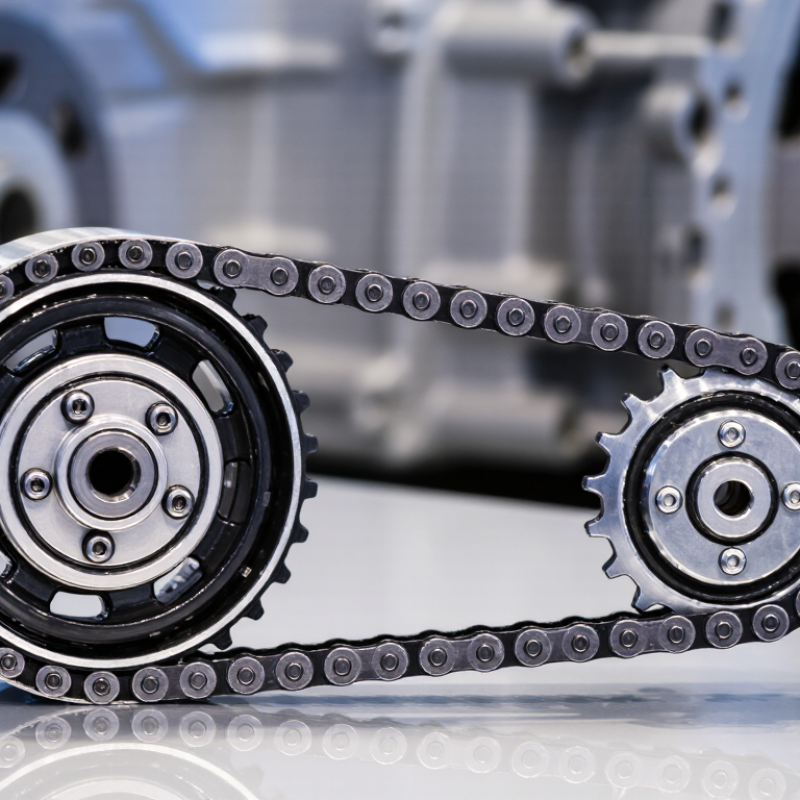
A CVT belt and a CVT chain both transfer engine power between variable-diameter pulleys, but their construction affects how they behave. A belt may use reinforced rubber or composite layers; some transmissions use a steel belt, so the name alone does not identify its material. A chain consists of linked metal elements and transfers force through contact with the pulley faces. The design matters.

In many applications, chains are selected when high torque capacity and compact packaging matter. They may produce more mechanical noise and require precise alignment and lubrication. Rubber or composite belts are often quieter and lighter, though they are not suitable for every load. Neither type is automatically more durable. Heat, driving conditions, pulley wear, and fluid condition all affect service life. Cracks, glazing, or metal debris are useful clues, not a complete diagnosis.

For replacement, match the transmission specification rather than relying on appearance or a generic size. Check the service information, fluid requirements, and inspection limits, since CVT designs vary widely. A belt that looks close may have the wrong width or angle. That mistake is easy. Slipping, shuddering, or whining can point to several problems, not just a worn chain or belt. It is tempting to blame the drive element first, but damaged pulley faces or contaminated fluid may be the real cause.


Identify Your Vehicle’s CVT Type and Operating Conditions

How to Choose the Right CVT Chain or CVT Belt

Identify Your Vehicle’s CVT Type and Operating Conditions

Start with the transmission, not the part listing. A chain-driven CVT and a push-belt CVT use different contacting components, pulley designs, and service requirements. Check the vehicle’s model year, transmission code, and service manual before ordering. A catalog can still mislead. Match the part to the original specification, including dimensions and any required calibration.

Then consider how the vehicle is used. Frequent stop-start trips, steep roads, heavy loads, and long hot drives place different demands on a CVT. Note unusual shuddering or slipping, but do not treat symptoms alone as proof that the chain or belt has failed. The U.S. Department of Energy reports that CVTs can improve fuel economy by about 6% compared with conventional automatics; actual results depend on the vehicle and driving conditions. The U.S. EPA’s combined fuel-economy figures weight city driving at 55% and highway driving at 45%. Your route may differ. Choose only a component specified for the exact CVT, and verify fluid type and service procedures with qualified documentation.

Compare Power Capacity, Durability, and Maintenance Needs

How to Choose the Right CVT Chain or CVT Belt

Power capacity depends on more than the drive element. Check the machine’s rated torque, speed range, and load peaks, especially when starts are frequent or sudden. A chain may suit demanding loads, but only when its pitch, sprockets, lubrication, and alignment match the system. A belt can run quietly and smoothly, yet heat or overload may cause slip and faster wear. There is no universal winner.

Durability also depends on the working environment. Dust, moisture, heat, and frequent shock loads change how parts age. Inspect chains for stiff links, elongation, and dry rollers. Look for belt cracks, glazing, frayed edges, or a narrowed profile. Small signs matter. Keep tension and alignment within the equipment maker’s limits; overtightening can damage bearings or shorten belt life. That detail is easy to miss.

Maintenance needs can tip the choice. Chains usually need regular lubrication, cleaning, and tension checks. Belts often need less routine attention, but their condition and replacement interval still deserve tracking. Consider access, service time, and the cost of an unexpected stop, not just the purchase price. I would be cautious about choosing from a load rating alone; real duty cycles are messier than a specification sheet suggests. Record operating hours and inspect wear consistently.

How to Choose the Right CVT Chain or CVT Belt — Compare Power Capacity, Durability, and Maintenance Needs
Comparison Factor CVT Chain CVT Belt What to Consider
Typical construction Usually a metal link or plate assembly designed to run on variable-diameter pulleys. Construction varies: automotive units often use a steel push belt or a metal belt assembly; many small powersports CVTs use a reinforced elastomer belt. Confirm the exact belt or chain type before comparing specifications; “belt” does not describe one universal construction.
Power and torque capacity Can be suitable for high torque when matched to the pulley system and designed for the required load. Capacity ranges widely by construction. Steel CVT belts can handle substantial loads; elastomer belts are generally application-specific. There is no universal winner. Use the transmission maker’s rated torque, power, speed, and service limits.
Power transmission Transfers load through articulated metal elements engaging with the pulley surfaces. A steel push belt transmits force through metal elements and bands; a reinforced rubber belt transmits force through its body and tensile cords. Performance depends on pulley design, clamping force, alignment, lubrication requirements, and operating conditions.
Durability and wear Metal construction can provide long service life when correctly lubricated where required and kept within its operating limits. Links and pulley contact surfaces can wear. Steel designs can be durable but may wear or be damaged by incorrect use or contamination. Elastomer belts can age, crack, glaze, or wear, especially under heat and overload. Heat, excessive load, poor alignment, contamination, and incorrect installation can shorten the life of either type.
Maintenance needs Follow the specified inspection and lubrication schedule; some designs operate in transmission fluid, while others have different requirements. Follow the specified inspection and replacement schedule. Many enclosed CVT belt systems require no routine belt lubrication. Do not add lubricant unless the manufacturer specifies it. Use the correct fluid and service procedure for the particular CVT.
Common inspection signs Unusual noise, rough operation, visible damage, or wear beyond the service limit can indicate a problem. Cracks, fraying, glazing, abnormal noise, slipping, or reduced performance can indicate belt wear or a system fault. Inspection methods and allowable wear limits vary; use the vehicle or equipment service manual.
Noise and smoothness May produce more mechanical noise depending on chain design, lubrication, and transmission condition. Noise varies by belt construction and system setup; a worn or slipping belt may become noisy. Noise is affected by the entire transmission, not just the chain or belt. Treat a sudden change in sound as a reason to inspect the system.
Best choice when… The transmission is designed for a chain and its operating demands favor that specific chain system. The transmission is designed for a belt and the belt’s rated capacity and service requirements suit the application. Choose the component specified for the CVT. Chain and belt systems are not generally interchangeable.

Note: Capacity, lifespan, and maintenance intervals depend on the specific CVT design and operating conditions. Always follow the equipment manufacturer’s specifications and service manual.

Verify Dimensions, Specifications, and Component Compatibility

Choosing a CVT chain or belt starts with exact measurements, not appearance. Check the equipment’s service documentation for the specified type, width, length, pitch, and link count. A belt may look close to the old one and still ride incorrectly on the pulleys. Small differences matter.

Measure the removed component only if it is intact and not badly stretched or worn. Use calipers for width, and count chain links carefully. Record the markings, but treat them as a cross-check rather than the only source. Compare pulley groove angles and spacing, shaft alignment, and the tensioning range. Check the required load and operating conditions, too. Dust, heat, and frequent starts can affect component life.

Compatibility goes beyond dimensions. Confirm that the chain or belt suits the pulley profile, guards, bearings, and tensioner used in the assembly. Never assume a chain and belt are interchangeable because they fit in the same space. A quick visual match can feel convincing, but it is not enough. If the documentation is unclear, pause and verify the specifications with a qualified technician. That extra check may seem fussy; it is still cheaper than premature wear or a damaged drive.

Choose the Option That Best Fits Your Driving Requirements

Choose a CVT chain or belt according to how you actually drive, not just the advertised power rating. For daily commuting, frequent stops, and a preference for quieter operation, a belt-based system may suit your needs. Belts are common in many CVT applications, but their life depends on heat, alignment, load, and maintenance. That matters.

A chain-style CVT may be appropriate for applications designed to handle higher loads or demanding operating conditions. Its performance depends on the chain, pulleys, lubrication, and tension working as a matched system. A chain is not automatically stronger or better. Check the manual for the specified part and service requirements.

Think about your usual route. Long climbs, heavy cargo, dusty roads, and repeated hard acceleration can raise operating temperatures and wear. If your driving is mostly steady and lightly loaded, those demands may be less important. Inspect for belt cracks, glazing, or width loss; check a chain system for wear and correct lubrication. Do not mix components based only on appearance. I would also be cautious about choosing solely by price; overlooking fit or service needs can make a cheaper option costly later.

How to Choose the Right CVT Chain or CVT Belt

Compare the typical design trade-offs against your driving requirements. Scores are qualitative guidance on a 1–5 scale, not standardized test results; performance varies by transmission design and application.

In brief: A belt may suit drivers who prioritize quiet, smooth operation. A chain may be preferable where the transmission is designed for higher torque or a compact pulley layout. Check the vehicle or equipment manufacturer’s specifications before choosing.

Request a Quote