
How to Choose Structural Steel Fabrication Services?

Choosing structural steel fabrication services is not simply a price comparison. It is a decision about safety, precision, schedule control, and long-term performance.

The scale of the steel industry shows why supplier selection matters. World Steel Association data reported global crude steel production of approximately 1.89 billion tonnes in 2023. Its April 2024 Short Range Outlook also projected continued growth in global steel demand. Behind these figures are real buildings, bridges, warehouses, and industrial platforms. Each project depends on correctly fabricated members arriving at the right time.

A qualified fabricator should demonstrate more than modern equipment. Review its experience with comparable structures, shop drawings, connection details, welding procedures, and quality inspections. Ask how it controls material traceability from mill certificate to finished beam. Check whether its processes align with recognized requirements, such as AISC 360 and applicable AWS welding standards. AISC certification can also provide useful evidence of documented quality systems, although certification alone does not guarantee a perfect project.

Look closely at practical details. Can the shop handle 12-meter columns? Does it use calibrated CNC cutting equipment? How are welds inspected, and who approves nonconforming work? Experienced teams should explain these answers clearly.

Cost still matters. However, the lowest quotation may conceal weak coordination, rework, or delayed delivery. No checklist removes every risk. Project drawings can change, and communication can fail. That is why site visits, reference checks, and written inspection plans remain valuable. A careful comparison should balance technical capability, reliability, transparency, and proven performance—not attractive promises alone.
How to Choose Structural Steel Fabrication Services?

## Define Your Structural Steel Fabrication Requirements

How to Choose Structural Steel Fabrication Services?

Define Your Structural Steel Fabrication Requirements

Before contacting a fabricator, describe the structure in practical terms. Identify its purpose, dimensions, expected loads, connection types, and installation environment. A warehouse frame may need different tolerances than a pedestrian platform. Include corrosion exposure, fire protection, coating requirements, and access limitations. Small details affect cutting, welding, delivery, and site assembly.

Share accurate drawings, material grades, and engineering calculations whenever available. A qualified structural engineer should verify load paths and connection designs. The fabricator should review these documents before pricing the work. Ask about welding procedures, inspection methods, material certificates, and dimensional checks. Traceability matters. Each major component should connect to documented materials and quality records.

Think about the construction site too. Measure transport routes, crane capacity, storage space, and lifting points. Oversized sections may look efficient on paper but create costly handling problems. A first specification is rarely complete. That is normal. However, ignoring missing information can cause delays and rework. I have seen projects lose time because bolt access was considered too late. Ask the fabricator to identify unclear details before production begins. Request a realistic schedule that includes approvals, fabrication, coating, delivery, and possible revisions. Clear requirements help you compare services fairly and reduce surprises after the steel reaches the site.
## Verify Fabricator Experience, Facilities, and Technical Capabilities

Choosing structural steel fabrication services requires more than comparing hourly rates. Verify the fabricator’s experience with projects similar to yours, including load demands, connection types, tolerances, and site conditions. A strong portfolio should show drawings, inspection records, and completed structures. Photographs alone prove little.

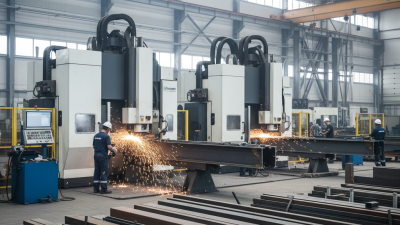
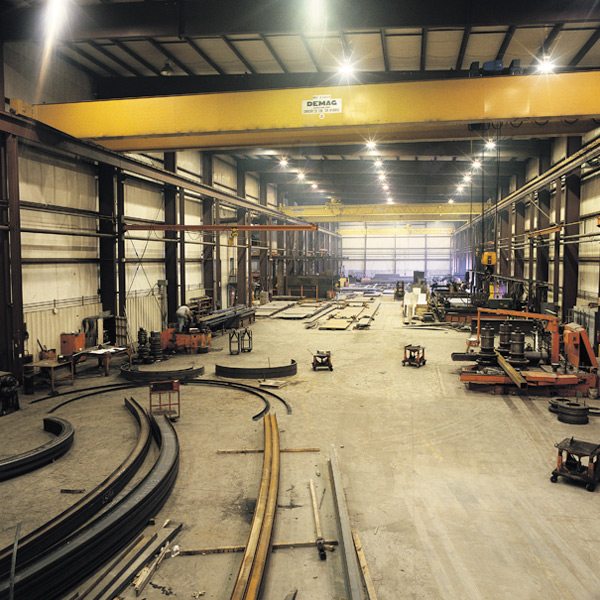
Facilities reveal practical capability. Visit the workshop, if possible. Check material storage, plate processing, CNC cutting, drilling, welding areas, blasting, coating, and loading access. Look for calibrated measuring tools and clear material identification. The World Steel Association reported approximately 1.88 billion tonnes of crude steel production in 2024, showing the scale of the supply chain. Scale does not guarantee quality, however. Traceability still matters.

Technical competence should be visible in the fabricator’s procedures. Ask about welding qualifications, non-destructive testing, dimensional inspection, and handling of design changes. Request sample inspection and test plans before signing. Quality systems aligned with ISO 9001 can support consistency, but certification is not a substitute for experienced supervision. The International Organization for Standardization states that ISO 9001 emphasizes controlled processes and continual improvement, not automatic project success. That distinction is important.

I would also check delivery records. Delays often begin with weak shop drawings or incomplete procurement planning. Ask who reviews connection details and who communicates with the engineer. A confident answer may still hide gaps. My own checklist would include independent references, yet I would not treat references as perfect evidence. Speak with recent clients, inspect actual work, and compare promised tolerances with measured results.

How to Choose Structural Steel Fabrication Services? – Verify Fabricator Experience, Facilities, and Technical Capabilities

Evaluation Dimension What to Verify Reliable Evidence or Questions Why It Matters Priority Rating
Relevant Project Experience Experience with the same type of structure, material grade, connection design, and project complexity. Request anonymized project examples showing approximate tonnage, section sizes, connection types, tolerances, delivery sequence, and site conditions. Relevant experience reduces design-interpretation errors and improves the reliability of fabrication planning. High ★★★★★
Fabrication Capacity Available production area, lifting capacity, annual throughput, workforce, and ability to manage multiple work packages. Confirm maximum component dimensions, crane capacities, welding bay availability, shift arrangements, and current production commitments. Capacity constraints can cause bottlenecks, late deliveries, or excessive subcontracting during peak periods. High ★★★★★
Material Traceability Control of steel identification from receiving through cutting, assembly, welding, coating, and shipment. Check material certificates, heat-number control, transfer procedures, tagging methods, and nonconforming-material records. Traceability confirms that the specified steel grade and thickness are used in the correct structural members. High ★★★★★
Engineering and Detailing Ability to interpret design drawings, produce fabrication drawings, coordinate connections, and manage revisions. Review sample shop drawings, detailing workflows, model coordination procedures, revision registers, and approval responsibilities. Accurate detailing helps prevent clashes, incorrect hole locations, missing components, and rework at the construction site. High ★★★★★
Welding Qualification Qualified welding procedures, competent welders, suitable consumables, and documented inspection controls. Verify welding procedure specifications, procedure qualification records, welder qualifications, preheat controls, and weld maps. Qualified welding processes are essential for achieving the required strength, ductility, and durability of structural connections. High ★★★★★
Applicable Standards Capability to work to the standards and project specifications required in the project jurisdiction. Confirm experience with the applicable structural steel, welding, execution, inspection, and coating standards, such as AWS D1.1 or EN 1090-2 where relevant. Standards define requirements for materials, fabrication, tolerances, welding, inspection, documentation, and acceptance. High ★★★★★
Cutting and Forming Equipment Suitability and maintenance of saws, drilling systems, thermal cutting equipment, plate-processing machines, and forming tools. Inspect equipment capability, dimensional accuracy controls, calibration records, maintenance schedules, and maximum processing sizes. Appropriate equipment improves dimensional accuracy and supports efficient production of beams, plates, profiles, and connection components. Medium ★★★★☆
Dimensional Quality Control Inspection of member length, squareness, camber, hole locations, assembly geometry, and connection fit-up. Ask for inspection and test plans, measuring equipment calibration records, tolerance criteria, inspection reports, and corrective-action procedures. Dimensional accuracy affects erection speed, connection fit, structural alignment, and the need for field modifications. High ★★★★★
Non-Destructive Testing Access to suitable inspection methods and qualified personnel for weld examination. Confirm availability of visual testing, magnetic particle testing, ultrasonic testing, or radiographic testing when specified by the design or standard. Non-destructive testing can identify surface or internal discontinuities without damaging the fabricated member. High ★★★★★
Surface Preparation and Coating Capability to prepare steel surfaces and apply the specified protective coating system under controlled conditions. Review blast-cleaning equipment, environmental monitoring, surface-profile measurements, coating thickness records, and paint-storage controls. Correct surface preparation and coating application are central to corrosion protection and service life. High ★★★★★
Quality Management Documented procedures for inspection, approvals, nonconformance control, calibration, and continual improvement. Request the quality manual or relevant procedures, audit results, inspection records, corrective-action examples, and certification details where applicable. A structured quality system provides consistent control across purchasing, fabrication, inspection, and delivery. High ★★★★★
Health and Safety Performance Controls for lifting, hot work, working at height, machinery operation, welding fumes, and material handling. Review safety policies, training records, incident statistics, risk assessments, permit systems, and emergency procedures. Strong safety management protects workers, supports uninterrupted production, and reduces project-related risk. High ★★★★★
Supply Chain and Procurement Control of steel purchasing, consumables, fasteners, coatings, and outsourced specialist processes. Ask about approved suppliers, lead-time monitoring, substitute-material approval, incoming inspection, and subcontractor qualification. Effective procurement reduces the risk of material shortages, incompatible products, and unapproved substitutions. Medium ★★★★☆
Logistics and Delivery Packaging, load planning, transport restrictions, delivery sequencing, and protection of finished members. Confirm delivery schedules, load dimensions, lifting points, marking systems, shipping documentation, and procedures for damaged items. Coordinated delivery helps the erection team install members in the planned sequence without unnecessary storage or handling. High ★★★★★
Communication and Reporting Responsiveness, technical coordination, progress reporting, and management of requests for information. Establish communication channels, response times, meeting schedules, document-control rules, and escalation contacts before contract award. Clear communication helps resolve design changes and production issues before they affect cost or schedule. Medium ★★★★☆
Commercial Transparency Clarity of pricing, exclusions, assumptions, change-order rules, payment terms, and warranty obligations. Compare itemized quotations and verify whether engineering, inspection, coating, packaging, transport, testing, and site support are included. Transparent commercial terms make proposals easier to compare and reduce disputes caused by hidden scope gaps. High ★★★★★

Use this table as a prequalification checklist. The final evaluation should be aligned with the project drawings, contract specifications, applicable regulations, required standards, inspection level, delivery schedule, and site conditions.

## Compare Quality Standards, Materials, and Fabrication Processes

How to Choose Structural Steel Fabrication Services?

Quality standards should be compared before reviewing price. Ask whether the fabricator follows ISO 9001 procedures and project-specific welding standards. Request welder qualifications, welding procedure records, and non-destructive testing reports. These documents show control beyond a polished workshop tour. A certificate alone can mislead. Confirm material traceability from the mill certificate to each cut piece. Inspectors should record dimensions, weld quality, surface treatment, and corrective actions.

Material selection depends on load, environment, and connection design. Common carbon steel grades suit many buildings, but coastal sites may require stronger corrosion protection. Compare galvanized steel, protective coatings, and weather-resistant alloys carefully. Check yield strength, impact performance, thickness tolerance, and supply availability. A cheaper grade may create drilling problems or unexpected coating repairs later. Small details matter.

Fabrication processes also affect accuracy and delivery. CNC cutting can produce clean edges, while careless heat control may cause distortion. Ask how the team manages plate straightening, fit-up, welding sequence, and final dimensional checks. Photographing marked components can improve traceability during installation. Site access should influence section sizes and connection choices. A workshop may produce excellent frames but still miss practical lifting limits. Review sample inspection records, visit the facility, and question any process that sounds vague. Mistakes deserve discussion.

How to Choose Structural Steel Fabrication Services?

Compare minimum specified strength across widely used structural steel standards before evaluating fabrication quality, welding procedures, and inspection controls.

Values are minimum specified strengths in MPa for commonly used grades: ASTM A36, ASTM A572 Grade 50, EN 10025-2 S355, and ASTM A992. Actual requirements can vary by thickness and product form. When selecting a fabrication service, also confirm material certificates, weld procedure qualifications, dimensional inspection, and compliance with the applicable project standard.

## Evaluate Pricing, Scheduling, Safety, and Project Coordination

How to Choose Structural Steel Fabrication Services?

Evaluate Pricing, Scheduling, Safety, and Project Coordination

Price comparisons should cover more than steel tonnage. Request itemized costs for detailing, connection design, surface treatment, testing, delivery, and site fixes. Ask how change orders are priced. A low quote can still be expensive when exclusions appear late. The Construction Industry Institute reports that rework can consume 5% of total construction costs. That figure makes transparent pricing essential.

Scheduling needs measurable commitments. Ask for drawing-submission dates, approval windows, fabrication milestones, inspection points, and delivery sequences. Confirm the fabricator’s current workload and backup plan for material delays. The Associated General Contractors’ 2024 workforce survey found that 94% of firms struggled to fill craft positions. Labor shortages can affect promised dates. No schedule is perfect. However, vague dates are avoidable.

Safety and coordination reveal professional maturity. Check welding qualifications, inspection records, lifting procedures, and material traceability. The U.S. Bureau of Labor Statistics recorded 1,075 construction fatalities in 2023, with a rate of 9.6 deaths per 100,000 workers. Fabrication safety deserves direct questions, not polished claims. Require coordinated shop drawings, a clear RFI process, and clash reviews before cutting begins. Autodesk and FMI reported that construction teams leave about 95% of generated data unused. That is a warning. Shared models and disciplined document control can prevent costly confusion, although teams sometimes underestimate training time. Evaluate the process, not only the finished steel.

## Review Contracts, Certifications, Warranties, and Client Feedback

Choosing structural steel fabrication services requires more than comparing hourly rates. Start with the contract. It should identify steel grades, fabrication tolerances, welding procedures, inspection duties, delivery dates, and change-order costs. Require clear document control for shop drawings and material certificates. Ambiguous wording becomes expensive when a beam arrives 10 millimeters short.

Certifications deserve careful checking. The 2023 ISO Survey recorded 1,265,216 ISO 9001 certificates worldwide, showing the standard’s broad adoption. Yet certification alone does not prove fabrication quality. Ask for current welding qualifications, approved procedures, non-destructive testing records, calibration logs, and heat-number traceability. Verify that certificates cover the actual facility, not only a parent office. This detail is often missed.

Review the warranty line by line. Confirm its duration, covered defects, response times, and exclusions for coating damage, site modification, or improper installation. A strong warranty without practical claim procedures is weak protection. Client feedback should come from projects similar in size, steel grade, and erection complexity. Request references, photographs, inspection records, and evidence of resolved disputes. A 2024 construction risk survey identified scope changes and weak coordination as recurring project problems. That makes detailed feedback more valuable than polished testimonials. One uncomfortable truth: even reputable fabricators can miss deadlines. Leave contingency in the programme, and question any supplier promising perfection.

Request a Quote