
10 Pneumatic Conveyor Buying Tips for Global Buyers

A Pneumatic Conveyor can move powders and granules through enclosed pipes, but choosing one from a product sheet alone is risky. The right system depends on the material, required throughput, conveying distance, and plant layout. Fine flour, plastic pellets, and abrasive minerals behave differently in a pipeline. Small details matter. Bulk density, moisture, particle size, and temperature can affect flow and equipment wear.

A route with several bends may need different pressure and airflow than a short, straight line. Buyers should compare dilute-phase and dense-phase options against their actual process, not assume one design suits every material. Ask suppliers how they estimate capacity and what operating assumptions support their figures. Request suitable test data or references for comparable materials. Numbers need context. A quoted rate means little if it excludes feed consistency, filter performance, or expected downtime.

Global purchasing adds practical questions. Confirm voltage, controls, spare-part availability, installation support, and delivery terms before comparing offers. Check which components are included, such as the blower, rotary valve, receiver, and dust filter. Clarify who handles commissioning and what the warranty covers. These points can prevent costly surprises after equipment reaches the site.

The ten buying tips below help buyers assess system fit, supplier evidence, operating costs, and long-term service. They are meant to guide better questions, not replace an engineering review of the material and route. No checklist removes every uncertainty. Some details only become clear after a material test or a careful site survey, and that is worth acknowledging before placing an order.
10 Pneumatic Conveyor Buying Tips for Global Buyers

Define Material Properties and Conveying Requirements

Start with the material, not the catalogue. Record bulk density, particle-size range, moisture, temperature, and whether particles are abrasive or fragile. A handful of powder can hide wide variation, so sample several batches if supply changes. Note how the material flows after storage, too. Some powders bridge in a hopper, while damp granules may stick to bends. Small differences matter. These observations affect feeder choice and line stability.

Define the job in numbers: required tonnes per hour, conveying distance, lift height, and number of bends. Include the receiving point and available space around equipment. These details help determine whether dilute-phase or denser, slower conveying is more suitable. Fragile pellets may need gentler velocities; abrasive solids can wear elbows and pipe walls. Check the dust behavior. Ask for a test using a representative sample, and request expected air consumption, pressure, and likely wear points. Real samples are not always perfectly representative, an uncomfortable limitation worth noting. Measured data is still more useful than a guess.


Choose the Right Pneumatic Conveyor System Type

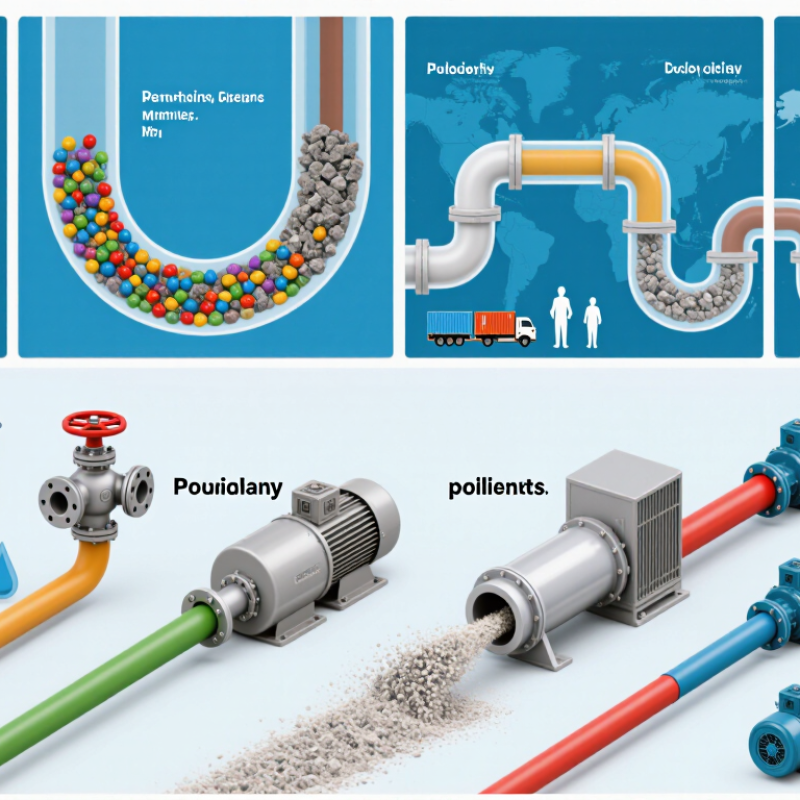
Choosing the right pneumatic conveyor type starts with the material, not the catalog. A light, dry powder may travel well in dilute phase, where fast airflow keeps particles suspended. Fragile granules or abrasive pellets may need dense-phase conveying, which moves material in slower, concentrated plugs. That matters. Dense phase can reduce particle damage, but it requires suitable pressure control and pipe layout.

Vacuum conveying can suit pickup points spread across a process area, especially when dust containment matters. Pressure systems often work well when one source feeds several destinations, though valve arrangement affects performance. Check bulk density, moisture, particle size, abrasiveness, and whether the product breaks easily. Then compare these details with distance, bends, elevation, and required hourly capacity. A short test may not predict behavior on a longer route. Test it.

Ask the supplier to explain air velocity, pressure drop, filter sizing, and likely wear points using your material data. Request a trial when flowability is uncertain. One easy mistake is focusing only on tonnage; this can overlook plugging risk or product damage. No type is best for every job. Leave room for imperfect data, and confirm operating conditions before fixing the design.

Match Capacity, Distance, and Layout to Your Operation

A pneumatic conveyor should be sized around your real operating rate, not a peak figure copied from a product sheet. Record average and maximum throughput, then note how often the line starts and stops. Know the material too: fine flour, plastic pellets, and fragile granules behave differently in air. Measure bulk density and check whether dust or breakage is a concern. Small details matter.

Distance is more than the straight-line gap between pickup and discharge. Every bend, vertical rise, flexible hose, and filter can add resistance, so map the route with actual dimensions. A 25-meter run with several elbows may demand more than a longer, cleaner route. Ask suppliers to review the conveying rate against the full pipe layout and expected pressure. Do not guess here.

Layout can decide whether a system works smoothly or becomes awkward to clean and service. Leave room around receivers, filters, and access doors, and consider where operators will connect hoses or clear a blockage. A compact corner may look usable on a drawing, yet maintenance access can be tighter than expected. Give that assumption a second look. Leave some margin for future changes, but avoid buying excess capacity without a process reason.

Pneumatic Conveyor Buying Guide: Indicative Air Velocity Ranges

Compare typical planning ranges for dilute-phase and dense-phase conveying. These are indicative values, not equipment specifications.

Actual velocity depends on material properties, throughput, pipeline diameter, distance, bends, and system layout. Share these details with suppliers to confirm capacity and avoid material degradation or line blockage.

Evaluate Components, Controls, and Energy Efficiency

Start with the material, not the brochure. Ask suppliers to explain how the system handles your product’s particle size, moisture, and target throughput. Check the blower, feeder, pipeline, bends, and receiver as one system; a weak link can cause blockages or excess wear. Request a conveying trial using your actual material and operating conditions. Fine powder may behave very differently after a humid shift. Small details matter. Review filter access, seals, and cleanout points before installation.

Controls deserve equal scrutiny. Pressure and airflow sensors should show operators when a line is drifting, while alarms need clear actions rather than vague warnings. Variable-speed drives can reduce demand when production changes, but only when the blower and control logic are properly matched. Ask for measured power use at your expected throughput, not just a best-case efficiency figure. Compare pressure drop across filters and bends, and inspect for air leaks during commissioning. Energy savings are not automatic. An oversized blower may keep material moving, yet waste power and increase wear. I still find this trade-off easy to underestimate: a lower-pressure setup is not always stable with every material.

10 Pneumatic Conveyor Buying Tips for Global Buyers — Evaluate Components, Controls, and Energy Efficiency

# Buying Dimension What to Evaluate Questions and Checks for Buyers Why It Matters
1 Material characteristics Particle size, bulk density, moisture, abrasiveness, friability, and tendency to form dust or bridge. Provide representative samples and material data. Ask whether conveying trials or testing are recommended. Material properties influence conveying mode, line sizing, wear, throughput, and the risk of blockage or product damage.
2 Conveying mode and duty Dilute-phase or dense-phase operation, batch or continuous duty, required capacity, and operating hours. Confirm expected mass flow, conveying distance, elevation changes, start-up frequency, and any peak-load requirements. The appropriate system depends on the material and process duty; a mode suited to one application may not suit another.
3 Route and line sizing Pipe diameter, total route length, bends, vertical lifts, branch points, and future expansion allowances. Request a layout drawing and design assumptions. Check that the proposed route reflects actual site measurements and fittings. Route geometry and line dimensions affect pressure drop, capacity, wear, and the power needed to move material.
4 Air source and conditioning Blower or compressor type, available pressure and flow, air quality, filtration, cooling, and moisture control. Compare the system’s required air conditions with the site supply. Confirm whether the package includes filtration and pressure protection. An unsuitable or poorly conditioned air supply can reduce reliability, affect product quality, and increase maintenance needs.
5 Key components and wear parts Feeders, rotary valves or other airlocks, diverter valves, pipework, bends, filters, and receiver components. Ask for component specifications, materials of construction, wear-part lists, and recommended inspection intervals. Component suitability affects sealing, metering, product handling, service life, and the availability of replacement parts.
6 Filtration and dust control Receiver filters, filter area, cleaning method, dust containment, and the handling of collected fines. Check the filtration design against material dustiness and process requirements. Confirm safe access for filter inspection and replacement. Effective filtration helps protect downstream equipment and limit dust release; filter loading can also affect system performance.
7 Controls and instrumentation PLC or control-panel functions, pressure and differential-pressure monitoring, alarms, interlocks, and plant-network interfaces. Define required signals, operating sequences, fault responses, local controls, and communication protocols before ordering. Clear instrumentation and control requirements support safe operation, troubleshooting, and integration with the existing process.
8 Energy efficiency Blower or compressor power, air leakage, pressure drop, filter condition, operating profile, and controls for variable demand. Request estimated power demand at the stated duty and the assumptions behind it. Compare energy use at equivalent throughput and route conditions. Total energy use depends on the complete system and operating conditions, not just the rated power of one component.
9 Safety and compliance Pressure protection, guarding, electrical requirements, combustible-dust hazards, and applicable destination-market standards. Identify the installation country, material hazards, and site rules. Request the relevant risk assessments and conformity documentation. Safety and regulatory obligations depend on the installation, material, and jurisdiction and should be addressed during design.
10 Service, spares, and lifecycle cost Commissioning, operator training, manuals, spare-parts availability, maintenance access, warranty terms, and support arrangements. Compare total installed and operating costs, lead times for critical spares, service coverage, and the scope of commissioning support. Purchase price alone does not reflect installation, energy, maintenance, downtime, and replacement-part costs over the system’s life.

Note: Final equipment selection and performance estimates should be confirmed using the actual material properties, site layout, operating conditions, and applicable local requirements.

Verify Supplier Expertise, Standards, and After-Sales Support

A pneumatic conveyor supplier should understand your material, not just quote a pipe diameter. Ask for experience with similar powders, granules, moisture levels, and conveying distances. Request references or project records that describe throughput, line layout, and operating conditions. Ask for proof. A useful technical review should explain the proposed conveying phase, air demand, bend wear, filtration, and likely maintenance points. If the answers stay vague, slow the purchase. Details matter.

Check which standards and test methods apply to the equipment and its installation. Request current certificates, their scope, and supporting test reports; a certificate alone may not cover your configuration. Confirm that the supplier can provide drawings, operating manuals, material specifications, and a clear inspection plan. Then discuss after-sales support before signing. Who handles commissioning? How quickly can technicians respond, and which wear parts are stocked? Ask how remote troubleshooting works when a pressure reading changes during a night shift. Get response times and spare-part lead times in writing. One point can be awkward: supplier references may describe unusually smooth projects. Ask what failed, what was changed, and what the buyer should monitor. No system is maintenance-free. A candid answer is often more useful than a polished promise.

Request a Quote