What is a Steel Fabrication Shop and How Does it Operate?
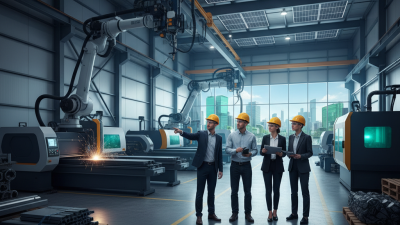
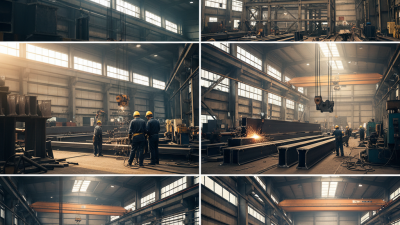
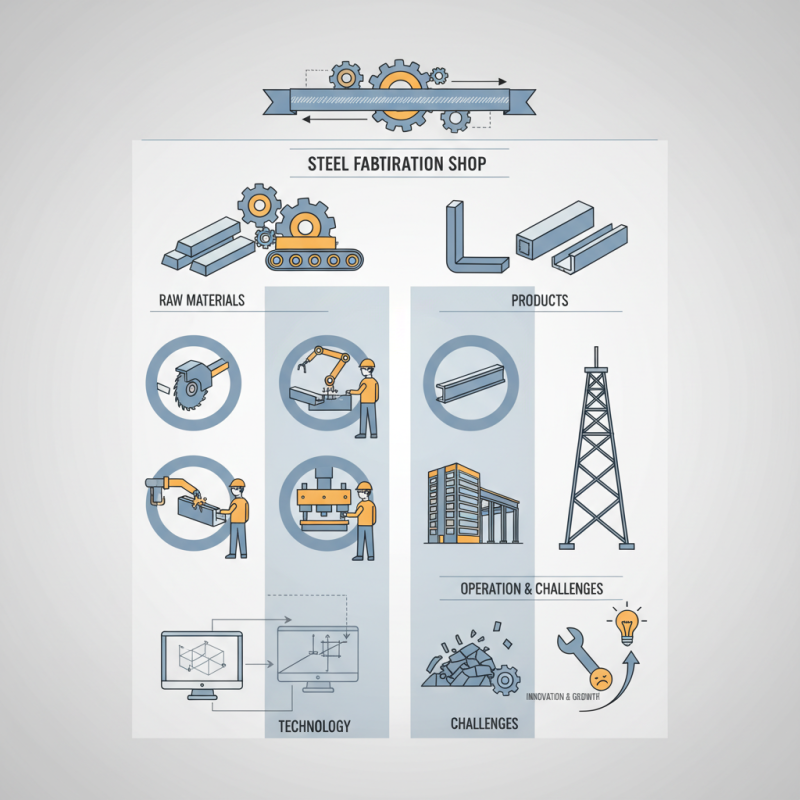
A steel fabrication shop is a crucial component of many industries. It specializes in transforming raw steel into usable products. This process involves cutting, bending, and assembling various steel components. The shop operates with skilled workers who possess expertise in wielding tools and machinery. Their experience plays a significant role in ensuring precision and quality.
In a typical steel fabrication shop, projects range from simple brackets to complex structural frames. Each task requires careful planning and execution. The reliance on technology, such as computer-aided design, enhances efficiency. However, challenges like material waste or equipment malfunctions can arise. These issues often require quick thinking and adaptability.
Understanding how a steel fabrication shop functions can illuminate the significance of this industry. Many businesses depend on steel fabrication for their operations. Thus, acknowledging potential flaws and areas for improvement is essential for continual growth and innovation.
What is Steel Fabrication? Understanding the Basics of the Industry
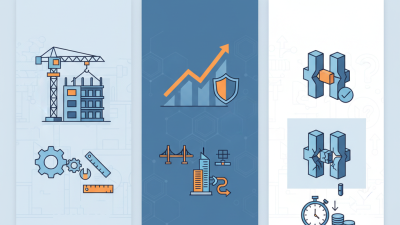
Steel fabrication is a crucial part of the construction and manufacturing industries. It involves the creation of structures from raw steel materials. This process includes cutting, bending, and assembling steel components. According to a report from Grand View Research, the global steel fabrication market size was valued at approximately $139.7 billion in 2021 and is expected to grow significantly in the coming years. The demand for steel fabrication is influenced by urbanization and infrastructure development.
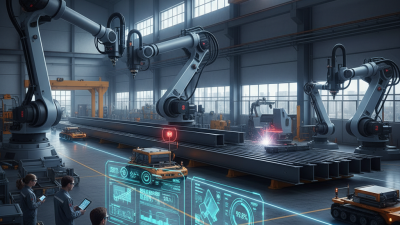
In a steel fabrication shop, skilled workers utilize advanced technology and tools. These include laser cutting machines and CNC technology. Such equipment enhances precision and efficiency. However, the industry faces challenges, such as labor shortages and rising material costs. A report by IBISWorld highlighted that labor costs account for about 30% of operation expenses in the fabrication sector. This increases the importance of maximizing productivity and ensuring worker safety.
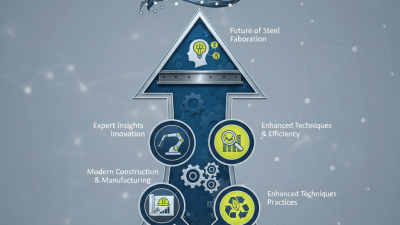
Sustainability is becoming a critical factor in steel fabrication. As environmental regulations tighten, firms are exploring green practices. Recycling scrap metal and reducing waste are gaining attention. Yet, achieving comprehensive sustainability remains an ongoing challenge. Many shops struggle to balance cost efficiency with eco-friendly initiatives. This tension highlights the industry's need for innovation and adaptation.
Key Processes Involved in Steel Fabrication Operations
Steel fabrication involves several key processes that transform raw steel into finished products. Initially, the process begins with design and engineering to create precise specifications. Skilled professionals use software for drafting and modeling. This helps ensure accuracy and reduces errors in later stages.
Cutting is another crucial step in steel fabrication. Common methods include sawing, shearing, and laser cutting. Each method has its advantages based on the project requirements. Proper measurements are essential here. Mistakes can lead to wasted materials and time. It's wise to double-check your work during this phase.
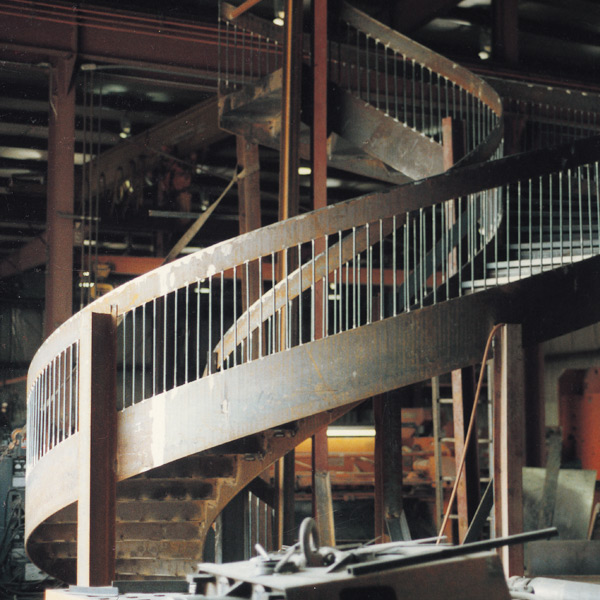
Once the steel pieces are cut, they move on to assembly. This involves welding, riveting, or bolting the components together. Each technique offers different strengths and weaknesses. For instance, welding provides a strong, seamless joint, but requires skilled labor. Always evaluate the best method for your specific project for optimal results.
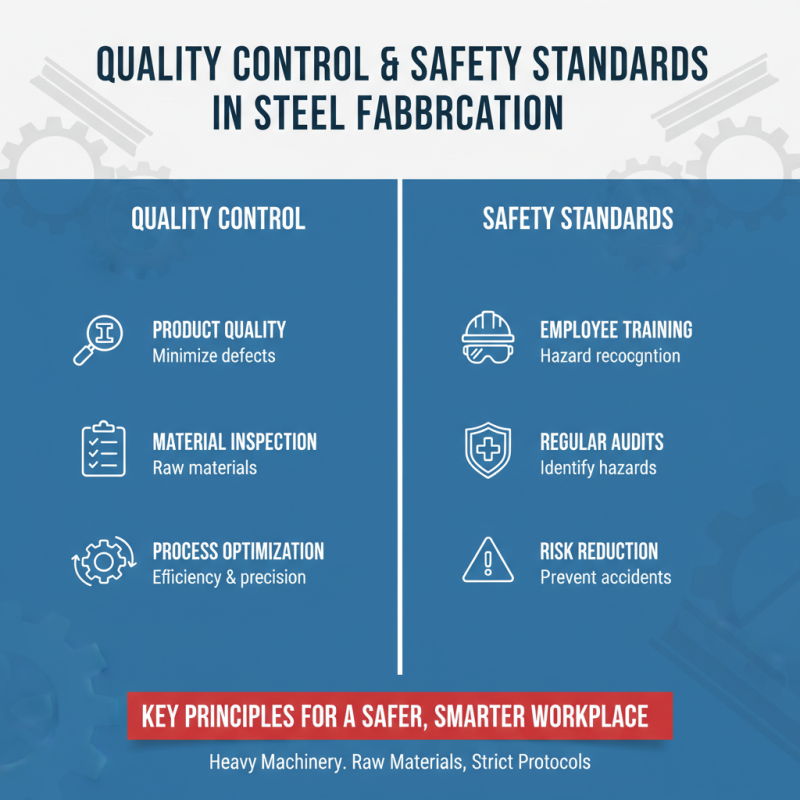
Tip: Regular quality inspections during fabrication can prevent costly overruns later on. Invest time in training staff on these processes to boost overall efficiency.
Finally, finishing touches are applied. This could include painting or coating to protect against corrosion. Attention to detail is critical here. Sometimes, it's valuable to seek feedback from experienced peers. They might offer insights on improving your techniques.
Types of Steel Fabrication Shops and Their Specializations
Steel fabrication shops come in various types, each specializing in unique aspects of the fabrication process. Structural steel shops focus on large-scale projects. They produce beams, columns, and other structural components for buildings and bridges. According to industry reports, the demand for structural steelwork is expected to grow by 3% annually through 2025, driven by infrastructure development.
Another type is custom fabrication shops. These businesses tailor their services to specific client needs. They create unique components for various industries, including automotive, aerospace, and energy. This specialization often leads to innovative solutions in design and manufacturing. The custom steel fabrication market is projected to reach $25 billion by 2024, emphasizing the importance of skilled craftsmanship.
Tips: When selecting a steel fabrication shop, consider their experience and past projects. A shop’s portfolio can reveal their capabilities. Additionally, discuss timelines and materials beforehand to avoid misunderstandings. Remember, communication is key in this industry.
Essential Tools and Equipment Used in Steel Fabrication
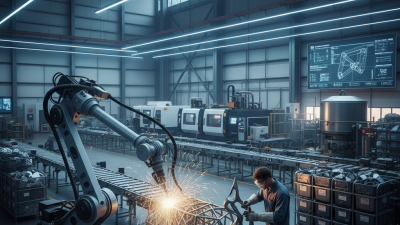
In a steel fabrication shop, various essential tools and equipment are crucial for effective operations. The central tool is the welding machine. It joins metal pieces by melting the edges together. Different welding methods require specific machines. For instance, MIG and TIG welding machines serve different purposes. Operators must be trained to use these tools safely.
Cutting tools are also vital. Plasma cutters and saws efficiently cut steel sheets into required shapes. A plasma cutter uses high-temperature plasma to slice through thick materials. Bandsaws, on the other hand, provide a cleaner cut but at slower speeds. Moreover, each tool requires regular maintenance to ensure reliability and safety.
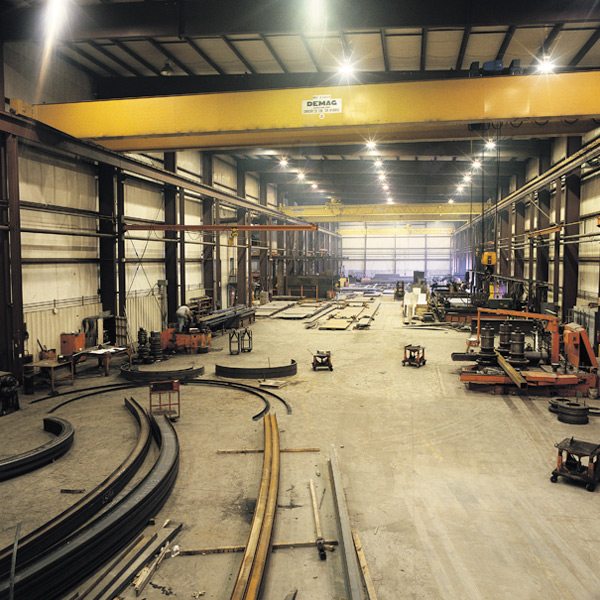
Another important aspect is the layout of the shop. Proper organization impacts workflow significantly. Tools should be easily accessible to workers. Cluttered workspaces can lead to accidents and delays. Attention to detail in tool arrangement fosters a more productive environment. Inadequate training on tool use can result in errors. Regular workshops can improve skill levels.