Top 10 Steel Fabrication Standards Buyers Should Know
Buying fabricated steel involves more than comparing prices and delivery dates. The standards behind a product influence its materials, dimensions, welding, inspection, and documentation. For buyers, understanding steel fabrication standards can make specifications clearer and supplier discussions more productive. It can also help prevent costly surprises, such as a connection detail that does not match the project drawings.
This guide introduces ten standards buyers may encounter across structural steel fabrication and related work. Some address material grades and traceability; others cover welding qualifications, dimensional tolerances, inspection, or protective coatings. Their relevance depends on the product, application, location, and contract requirements. A familiar standard is not automatically the right one. Check the project specification, confirm the edition cited, and ask suppliers how compliance is documented. Look for practical records, such as material certificates, weld inspection reports, and coating measurements—not just a logo on a brochure.
Details matter. A few millimeters can affect fit-up on site. An unclear acceptance criterion can lead to arguments after fabrication is complete. Even experienced teams can miss a requirement when drawings and purchase documents do not align. That deserves a second look. The standards discussed here are a starting point, not a substitute for project-specific engineering review or qualified advice. Buyers should verify requirements with the responsible engineer and relevant authorities before placing an order.

How Steel Fabrication Standards Support Quality, Safety, and Compliance
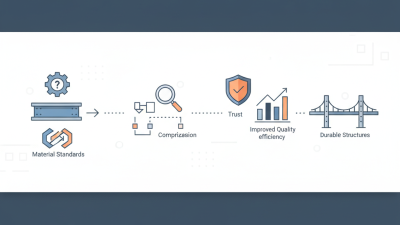
Steel fabrication standards turn drawings into repeatable shop-floor decisions. They define how materials are identified, dimensions measured, welds inspected, and defects recorded. That consistency matters. Buyers can request material certificates, approved welding procedures, inspection reports, and clear acceptance criteria before production begins. These records connect each beam or plate to its specified grade and intended use. Dimensional checks can also catch fit-up problems early, when correcting a hole pattern is easier than altering an assembled frame. Small differences matter.
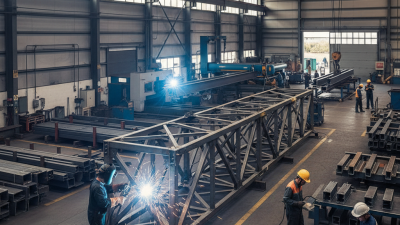
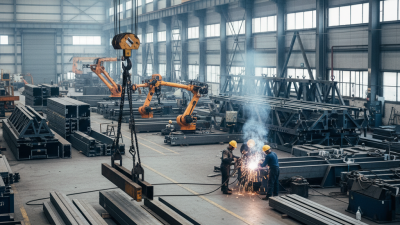
Safety depends on more than a finished weld. Standards guide joint preparation, welder qualification, inspection methods, lifting points, and safe handling. Requirements vary by structure and project rules. Buyers should verify which code editions and inspection levels apply, rather than assuming one checklist fits every job. Compliance is easier to demonstrate when drawings, revisions, nonconformance reports, and final inspections stay together in the handover package. A tidy file is useful, but paperwork cannot replace sound judgment. Even well-run systems can miss things, so clear communication between the buyer, fabricator, and inspector remains essential.
What Buyers Should Know Before Evaluating Fabrication Standards
Before evaluating fabrication standards, define what the project actually requires. Material grade, thickness, joint type, service conditions, and delivery location can all affect the right criteria. A standard suited to structural steel may not cover pressure equipment or specialized components. Check the contract scope and applicable jurisdiction before comparing suppliers. Standards such as AWS D1.1, ISO 3834, and EN 1090 address different requirements; they are not interchangeable. A certificate is a starting point, not proof of every part. Ask which processes and facilities it covers.
Tips: Request current certificates and confirm their scope, validity, and issuing body. Ask for sample inspection records, material traceability documents, and welding procedure qualifications relevant to your parts. Check how the fabricator handles dimensional checks and nonconforming work. Small details matter, like whether a measured tolerance appears on the drawing or only in a note.
A polished certificate can still leave gaps. That is easy to miss. Compare documented procedures with actual production records, and ask who reviews changes when materials or methods shift. If answers feel vague, pause and clarify them in writing. Buyers sometimes focus too heavily on the standard’s name; the useful question is whether its requirements match the component, risk, and inspection plan. No checklist removes every uncertainty, and it is worth admitting that early.
The Top 10 Steel Fabrication Standards and What They Cover
Steel fabrication standards define how materials, welds, dimensions, and protective coatings are specified and checked. ASTM A6/A6M covers general requirements for rolled structural steel products. ASTM A36/A36M specifies carbon structural steel, while ASTM A500/A500M covers cold-formed welded or seamless structural tubing. ASTM A992/A992M applies to rolled structural shapes used in building frames. These standards help buyers match material certificates to drawings.
Weld quality has its own controls. AWS D1.1 addresses structural steel welding, including procedures, qualifications, and inspection. AISC 360 provides design and construction requirements for structural steel buildings; AISC 303 sets standard practices for contracts and fabrication. ISO 3834 outlines quality requirements for fusion welding. They are not interchangeable. One governs welding quality systems; another sets project-level technical requirements.
Coating standards matter too. ASTM A123/A123M covers hot-dip galvanized coatings on fabricated iron and steel products. ASTM A780 describes methods for repairing damaged galvanized coatings. A buyer can check coating thickness records and inspect repaired edges near bolt holes. Small details get missed. These ten standards are useful reference points, not a substitute for reviewing project specifications. Confirm the required editions, material grades, inspection scope, and acceptance criteria with the project team; requirements can differ by application and jurisdiction. I have seen a neat certificate still leave a practical question unanswered: does it cover the finished assembly?
How Buyers Can Verify Supplier Compliance and Documentation
Buyers should verify compliance through records that connect the drawing, material, and finished part. Request the applicable standard and revision, such as AWS D1.1 for structural welding, plus the supplier’s quality procedures. Match each material test report to the heat number stamped or tagged on the steel. Check that dimensions, grade, and quantity agree with the purchase order. Small mismatches matter.
The ISO Survey 2022 reported 1,265,216 valid ISO 9001 certificates worldwide. That figure reflects the reach of quality-management certification, not proof that every fabricated item meets its specification. Ask for the supplier’s current certificate and confirm its scope covers the relevant site and activities. Then review inspection plans, welder qualifications, non-destructive testing reports, and equipment calibration records. Paperwork can still be messy.
Traceability should survive cutting and assembly. Look for heat-number transfer logs, weld maps, inspection sign-offs, and nonconformance records tied to the job. Dates and signatures should make sense; a polished certificate alone is thin evidence. If a report is missing, ask who produced the part, what was checked, and how the gap was resolved. A short sample audit can reveal whether records match the actual parts on the shop floor.