

China’s alloy steel industry serves demanding sectors, including automotive, energy, construction, tooling, and heavy machinery. This guide examines the China Top 10 Alloy Steel Round Bar Manufacturers? It focuses on practical evidence rather than promotional claims. The review considers production capacity, steel grades, heat-treatment control, machining capability, and export experience.
A reliable manufacturer should provide clear chemical analysis and mechanical test reports. Buyers should also check mill certificates, batch traceability, and inspection procedures. Useful references may include ASTM A519, AISI grades, EN standards, and relevant GB/T specifications. These details matter when a round bar enters a crankshaft, pressure component, gear, or precision-machined shaft.
Factory experience matters.
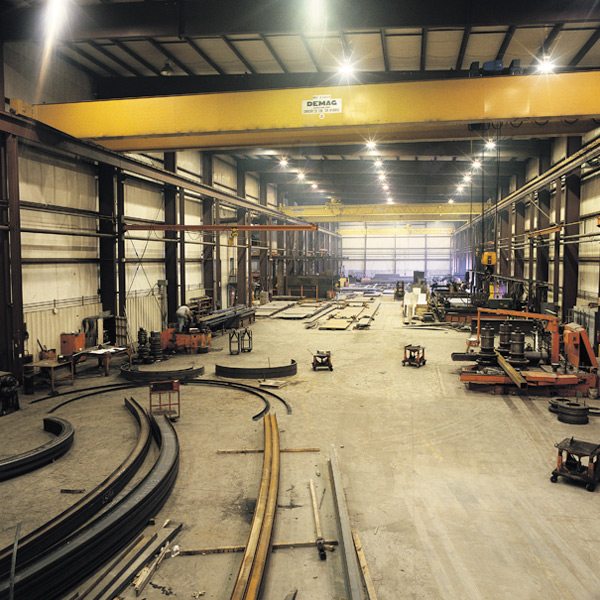
The selected companies are assessed through visible manufacturing strengths, product information, customer applications, and quality systems. Attention is given to forging equipment, bright-bar finishing, ultrasonic testing, surface protection, and packaging for long-distance transport. A well-packed bundle should resist moisture, impact, and identification loss during shipment.
No ranking is permanently perfect. Supplier capacity, certifications, lead times, and export policies can change. Public information may also remain incomplete. Readers should confirm current specifications directly with each manufacturer before placing an order. Sample testing is wise, especially for critical applications.
This introduction aims to support a more careful Alloy Steel Round Bar sourcing decision. It does not replace independent technical verification. Instead, it provides a practical starting point for comparing Chinese suppliers with greater confidence, clearer expectations, and fewer costly surprises.
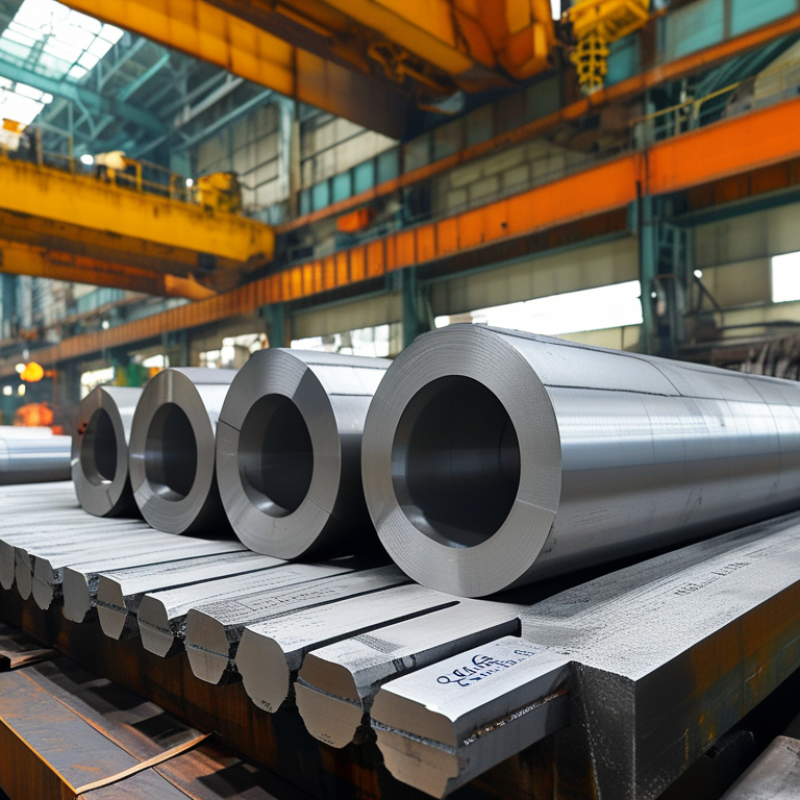
Alloy steel round bar is a solid, circular steel product containing elements such as chromium, nickel, molybdenum, or vanadium. These additions improve strength, toughness, hardenability, or wear resistance. Unlike ordinary carbon steel, its performance depends strongly on chemical composition and heat treatment. The bar may be supplied hot rolled, cold drawn, annealed, normalized, or quenched and tempered.
In practical workshops, engineers select the grade according to load, temperature, machining needs, and corrosion exposure. A shaft may require high fatigue strength, while a gear blank may need a hard surface and a tougher core. Diameter tolerance matters too. Small dimensional errors can affect bearings, seals, and final alignment. Surface scale, seams, and center defects deserve careful inspection before machining.
Reliable purchasing should include the material standard, heat-treatment condition, actual dimensions, and mill test certificate. Chemical analysis verifies alloy content. Tensile, yield, elongation, and impact results help confirm mechanical performance. Ultrasonic testing can reveal internal discontinuities in critical applications. I have found that paperwork alone is not enough; sample checks and traceability still matter. Some specifications appear clear but leave heat-treatment details unstated. That gap can create avoidable problems. A qualified inspector should compare markings, certificates, and test results before production begins.
| Rank | Anonymous Manufacturer Profile | Typical Product Focus | Common Grades | Typical Diameter Range | Applicable Standards | Typical Supply Condition | Common Applications | Quality Documentation |
|---|---|---|---|---|---|---|---|---|
| 1 | Profile A Large integrated steel producer | Hot-rolled and peeled alloy steel round bars | 4140 / 42CrMo4, 4340 / 40NiCrMo6, 4130 / 25CrMo4 | 20–800 mm | ASTM A29, EN 10083-3, ISO 683-1 | Rolled, annealed, normalized, quenched and tempered | Heavy machinery, shafts, pressure components | Mill test certificate, chemical analysis, tensile test, hardness test |
| 2 | Profile B Specialty alloy steel mill | High-strength and wear-resistant round bars | 4140, 4340, 8620 / 20NiCrMo2-2 | 16–500 mm | ASTM A322, EN 10084, EN 10083-3 | Cold drawn, peeled, ground, quenched and tempered | Gears, axles, rollers, mining equipment | Heat-treatment chart, dimensional report, ultrasonic testing |
| 3 | Profile C Forged bar manufacturer | Large-diameter forged alloy steel bars | 4140, 4340, 4130, 4330V | 250–1,200 mm | ASTM A668, ASTM A29, EN 10250-3 | Normalized, tempered, quenched and tempered | Power-generation parts, marine shafts, large flanges | Ultrasonic inspection, macrostructure test, mechanical test report |
| 4 | Profile D Precision bar producer | Peeled, centerless-ground and polished bars | 4140, 4130, 8620, 52100 / 100Cr6 | 5–180 mm | ASTM A108, ASTM A29, EN 10278 | Cold drawn, peeled, ground, spheroidize annealed | Automotive components, hydraulic rods, precision shafts | Dimensional inspection, surface roughness report, hardness test |
| 5 | Profile E Automotive alloy steel supplier | Micro-alloyed and carburizing steel round bars | 8620, 8622, 4140, 38MnVS6 | 10–300 mm | ASTM A322, EN 10084, ISO 683-3 | Hot-rolled, normalized, spheroidize annealed | Transmission parts, steering components, fasteners | Heat number traceability, grain-size report, inclusion rating |
| 6 | Profile F Bearing and high-cleanliness steel producer | Clean alloy steel and bearing-quality round bars | 52100 / 100Cr6, 8620, 4140 | 20–350 mm | ASTM A295, ASTM A485, EN ISO 683-17 | Annealed, spheroidize annealed, peeled and ground | Bearings, high-load bushings, precision machine parts | Ultrasonic testing, oxygen analysis, inclusion rating, hardness report |
| 7 | Profile G Tooling and die-steel producer | Alloy tool steel and shock-resistant round bars | H13 / 1.2344, D2 / 1.2379, O1 / 1.2510 | 12–500 mm | ASTM A681, EN ISO 4957 | Annealed, peeled, ground, vacuum heat treated | Dies, molds, punches, cutting and forming tools | Microstructure report, hardness report, ultrasonic inspection |
| 8 | Profile H Engineering steel service center | Cut-to-length and machined alloy steel bars | 4140, 4340, 4130, 8620 | 25–600 mm | ASTM A29, ASTM A322, EN 10083 | Hot-rolled, normalized, quenched and tempered | Replacement parts, construction equipment, fabricated assemblies | Mill certificate, cutting report, dimensional inspection |
| 9 | Profile I Export-oriented forged bar supplier | Custom-forged alloy steel bars for industrial equipment | 4140, 4340, 40Cr / 40X, 42CrMo | 100–900 mm | ASTM A668, EN 10250-3, GB/T 3077 | Forged, normalized, tempered, quenched and tempered | Oil and gas equipment, lifting machinery, industrial gear systems | Ultrasonic testing, mechanical properties, chemical composition report |
| 10 | Profile J Small-batch customized producer | Non-standard sizes, special chemistry and trial-production bars | 4130, 4140, 4340, 30CrMo, 35CrMo | 8–400 mm | ASTM A29, GB/T 3077, EN 10083-3 | Cold drawn, hot-rolled, annealed, normalized or tempered | Prototype parts, repair components, agricultural machinery | Material certificate, third-party inspection, dimensional report |