
Top Vacuum Coating Machine Manufacturers in China?

Choosing among the top vacuum coating machine manufacturers in China requires more than comparing prices or polished brochures. A useful shortlist starts with the coating process: thermal evaporation, magnetron sputtering, ion plating, or a system combining several methods. Each option suits different materials and production goals. Donald M. Mattox, author of Handbook of Physical Vapor Deposition Processing, describes PVD as “a process in which material is vaporized from a solid or liquid source.” That definition sounds simple. The engineering is not.

A reliable supplier should explain chamber size, substrate limits, pump configuration, coating uniformity, and process controls in clear terms. Ask how the machine handles your actual parts, not just a demonstration coupon. A small coated disc may look flawless while larger components show uneven color near their edges. Request application references, maintenance guidance, and details about operator training. These checks help distinguish a capable vacuum coating machine manufacturer from a seller focused mainly on specifications. Not every factory will fit every project.

This guide examines Chinese manufacturers through practical criteria, including equipment range, customization, technical support, and evidence of production experience. It does not treat a long feature list as proof of quality. Nor should one successful sample settle the decision. Ask difficult questions. Compare written answers. A supplier may be strong in decorative coatings but less experienced with demanding industrial applications. That distinction is easy to miss, and worth revisiting before purchase.
Top Vacuum Coating Machine Manufacturers in China?

What Vacuum Coating Machines Are and How They Work

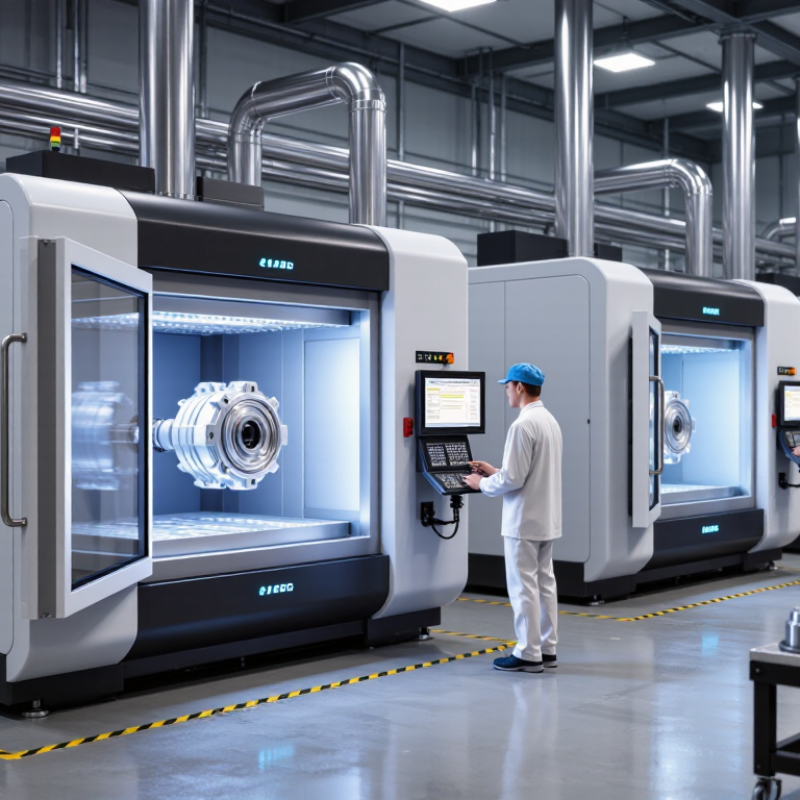
A vacuum coating machine applies a thin layer of material to a surface inside a sealed chamber. The coating may add reflectivity, wear resistance, or a specific color. These systems are used for items such as glass panels, metal parts, and plastic components. The chamber’s low-pressure environment helps coating material travel and settle with fewer collisions from air molecules. It is controlled manufacturing, not a magic finish.

The process begins with cleaning and loading the parts onto a fixture. Pumps remove air until the chamber reaches the required pressure. Then the machine heats a source material or uses a plasma to release its atoms. In thermal evaporation, material vaporizes from a heated source; in sputtering, energetic ions dislodge atoms from a target. Those atoms condense on the exposed surfaces, forming a thin film. Sensors and controls help operators manage pressure, power, and coating time. Small details matter.

For buyers comparing machines made in China, the application should guide the choice of process and chamber size. Part shape, production volume, and film thickness all affect results. A shiny sample can look convincing, yet still hide uneven coverage at edges or inside recesses. That is worth checking. Fixtures, cleaning, and process settings can be just as important as the machine itself, and a trial run may reveal problems that specifications cannot.

Top Vacuum Coating Machine Manufacturers in China? - What Vacuum Coating Machines Are and How They Work
Machine Type How It Works Common Coatings Typical Applications Key Selection Considerations
Thermal Evaporation Coater A source material is heated in a vacuum until it evaporates. The vapor travels through the chamber and condenses as a thin film on cooler substrates. Commonly used for metal films such as aluminum, silver, and gold, depending on the source and process requirements. Decorative finishes, reflective layers, optical components, and laboratory-scale thin-film work. Consider source capacity, substrate size, film-thickness control, and whether the material can be evaporated reliably with the selected heating method.
Electron-Beam Evaporation Coater A focused electron beam heats material in a crucible or hearth. The vapor condenses on substrates inside the evacuated chamber. Metals and many high-melting-point materials; the suitable material range depends on the source configuration and process design. Optical coatings, electronic layers, research and development, and applications requiring controlled deposition of refractory materials. Compare source power, number of material pockets, substrate-fixture design, thickness monitoring, and the level of process automation required.
Magnetron Sputtering System An electrical discharge creates a plasma, usually from a process gas such as argon. Ions strike a target, ejecting atoms that deposit as a film on substrates. Metals, alloys, and some compound films; reactive sputtering can introduce gases to form certain compounds. Display panels, architectural glass, tools, electronics, and functional or decorative coatings. Check target dimensions and materials, power-supply type, reactive-gas control, uniformity requirements, and compatibility with the substrate.
Ion-Plating System Evaporated or otherwise generated coating material is combined with plasma or ion bombardment. The ionized environment can help clean the surface and promote film adhesion. Metallic and compound coatings, with the available materials depending on the evaporation source and process configuration. Wear-resistant tools, hardware, and components where coating adhesion and surface preparation are important. Evaluate plasma-generation method, substrate bias control, part-fixture capacity, coating uniformity, and the process recipe needed for the intended coating.
Roll-to-Roll Vacuum Coating System A flexible web moves continuously through a vacuum chamber. Evaporation or sputtering sources deposit material as the web passes through the coating zone. Thin metal and functional layers, depending on the deposition process and web material. Flexible packaging, films, foils, and other continuous-web products. Consider web width and speed, tension control, winding system, coating uniformity, and integration with the chosen deposition technology.

Main Types of Vacuum Coating Machines Made in China

Main Types of Vacuum Coating Machines Made in China

China-made vacuum coating systems commonly use thermal evaporation, electron-beam evaporation, magnetron sputtering, or ion plating. Thermal evaporation suits straightforward metal films, while electron-beam systems can handle materials with higher melting points. Magnetron sputtering offers controlled, uniform layers for glass, tools, and electronic components. Ion plating adds energetic particles, which can improve film adhesion. The categories overlap, and equipment labels can blur distinctions; check the process details.

SEMI reported global semiconductor equipment sales of US$106.3 billion in 2023 in its 2024 market update. This covers many equipment categories, not vacuum coaters alone, so it provides supply-chain context rather than a coating-machine market estimate. For buyers, the right system depends on substrate size, required film thickness, production volume, and whether parts can tolerate heat. A small optical component and a wide glass panel need different chamber layouts.

Tips: Ask suppliers for coating-uniformity data across your actual workpiece, plus pump-down time and maintenance intervals. Request a sample run. A polished brochure is not process proof. Check whether the quoted cycle time includes loading and cleaning.

How to Evaluate Chinese Vacuum Coating Machine Manufacturers

Choosing among Chinese vacuum coating machine manufacturers is less about polished catalogs than repeatable process control. SEMI reported global semiconductor equipment sales of $117.1 billion in 2024, up 15% year over year. This is not a vacuum-coater market figure, but it signals investment in precision manufacturing. Treat it as context, not proof of a supplier’s capability.

Ask for process-specific evidence. Define your substrate, coating material, target thickness, uniformity, and production rate before comparing quotations. Request a sample run using your own parts, with chamber-pressure curves, thickness maps, and results from repeated batches. Ask how the machine handles fixtures, pump maintenance, alarms, and recipe storage. Ask for raw logs. A neat datasheet can still hide unstable performance.

Check the factory’s assembly and testing procedures, then speak with customers using similar substrates. Compare installed cost, consumables, spare-part lead times, training, and remote-support response—not just the machine price. Useful, but not decisive. I would still want to see a live acceptance test; supplier references alone cannot show how a system behaves on your production line.

Leading Vacuum Coating Machine Manufacturers in China

Leading Vacuum Coating Machine Manufacturers in China

China’s leading vacuum coating machine manufacturers serve optical, display, decorative, and architectural-glass producers. Their systems range from compact batch chambers to automated inline lines. Buyers should compare coating uniformity, chamber size, pumping speed, and process controls—not just quoted output. The International Energy Agency’s Renewables 2024 report records nearly 510 GW of new renewable capacity in 2023, with solar PV accounting for about three-quarters. This growth signals expanding clean-tech manufacturing, though it does not directly measure demand for coating equipment.

Supplier evaluation should include a sample run using your actual substrate and coating recipe. Ask for thickness maps, adhesion-test results, cycle-time records, and references from comparable production environments. Check whether service teams can diagnose leaks, pump failures, or uneven deposition remotely. A polished brochure is not proof of stable production. And specifications can look better on paper.

Tips: Request a factory acceptance test before shipment. Confirm power, cooling, and floor-space requirements early. Keep one spare set of critical seals and sensors; small parts can cause long delays.

Vacuum coating equipment is designed around the deposition process and its operating-pressure requirements. The ranges shown are indicative typical values; actual process conditions vary with materials, equipment configuration, and application. They are not manufacturer-specific specifications.

Industries and Applications Served by Chinese Manufacturers

Chinese vacuum-coating machine manufacturers serve photovoltaic, electronics, automotive, architectural-glass, and precision-tool production. Their systems deposit thin films that control reflection, wear, corrosion, or electrical performance. The details matter. Solar glass needs even coverage across wide panels; cutting tools need durable, well-bonded layers. Small process variations can create visible defects.

IEA PVPS’s Snapshot of Global PV Markets 2024 estimated at least 407 GW of new solar capacity was installed worldwide in 2023. That expansion supports demand for coating processes used on solar glass and certain cell technologies. SEMI reported that global semiconductor manufacturing equipment sales reached US$106.3 billion in 2023. Vacuum deposition is one part of this complex production landscape, including processes for thin functional films. These figures show the scale of related industries, not sales of coating machines themselves.

Automotive suppliers use coated parts for heat management, wear resistance, and optical performance. Architectural-glass lines apply films that can reduce glare or limit solar heat gain. In practice, buyers must match chamber size, substrate handling, and film uniformity to the product. A machine’s brochure may look convincing. Factory conditions are less tidy. Dust control, maintenance access, and repeatable recipes can matter as much as peak throughput. These needs vary between manufacturers, and published market data rarely captures every production constraint.

Request a Quote