Why Choose a Stainless Steel Fabrication Shop?
Choosing a stainless steel fabrication shop is not simply a matter of comparing prices. It is a decision about accuracy, durability, communication, and long-term risk. Stainless steel may look straightforward, yet each grade reacts differently during cutting, bending, welding, and finishing. A poorly controlled process can leave heat discoloration, warped edges, contamination, or weak joints behind a polished surface.
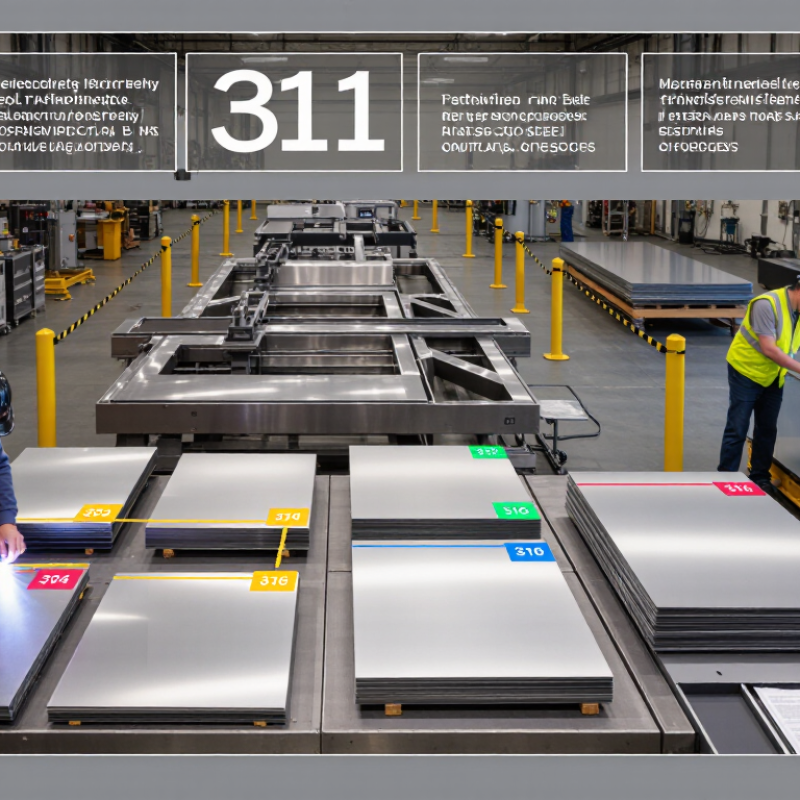
Experience becomes visible in small details. Skilled fabricators check material certificates, protect sheets from carbon-steel dust, and measure critical dimensions before final assembly. They understand how 304 differs from 316 stainless steel in demanding environments. They also know when a brushed No. 4 finish requires careful handling. These choices affect hygiene, corrosion resistance, maintenance, and appearance.
Quality expert W. Edwards Deming said, “Quality comes not from inspection, but from the improvement of the production process.” That principle explains why a dependable stainless steel fabrication shop should show more than attractive finished samples. Ask about welding procedures, inspection records, equipment capability, and corrective-action practices. Reliable shops welcome practical questions and explain limitations clearly.
No shop is flawless. That matters.
A trustworthy partner acknowledges possible distortion, lead-time pressure, and design changes before production begins. It may recommend a different weld sequence or suggest a simpler joint. Those conversations can prevent expensive rework. Still, reputation alone is insufficient. Request references, review comparable projects, and confirm how the shop protects stainless steel from contamination. The right choice combines technical knowledge with honest communication. It should deliver consistent results, not merely promise them.
What Is a Stainless Steel Fabrication Shop?
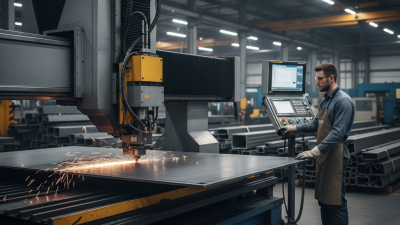
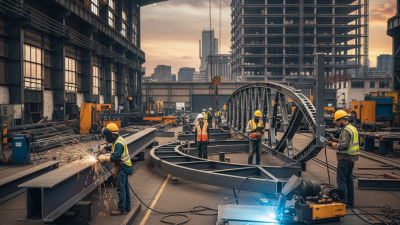
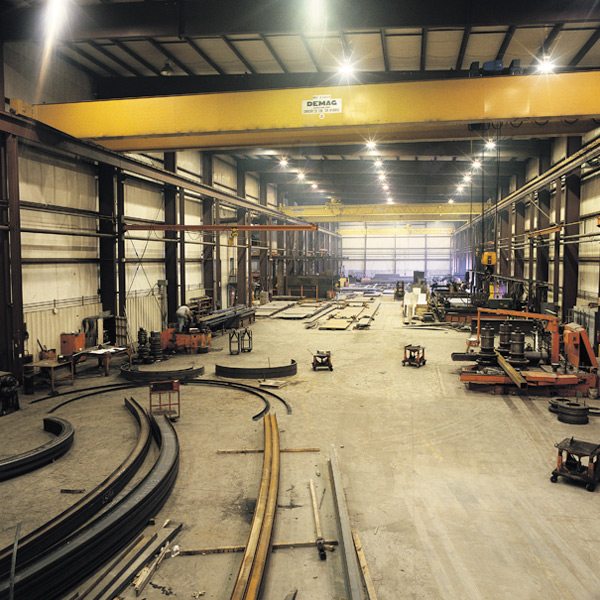
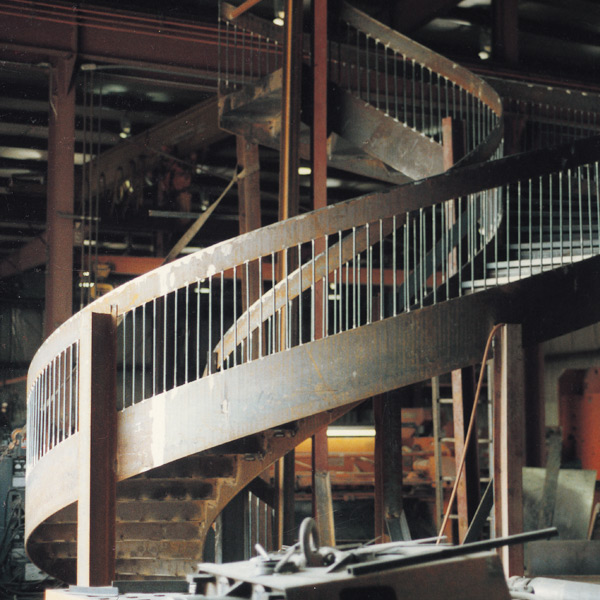
A stainless steel fabrication shop is a specialized workplace where flat sheets, tubes, bars, and fittings become usable components. Skilled fabricators measure, cut, bend, weld, grind, and polish stainless steel according to technical drawings. The work may produce food-processing tables, architectural panels, storage tanks, railings, or custom machine parts.
The shop usually combines practical experience with controlled production methods. Operators select tools based on thickness, alloy, finish, and required tolerance. Welding areas often use dedicated equipment to reduce surface contamination. After fabrication, inspectors check dimensions, weld appearance, surface condition, and assembly fit. Small details matter. A misplaced hole can delay an entire installation.
Good fabrication also depends on communication. Engineers, designers, and shop technicians must clarify drawings before cutting material. In real projects, plans are not always perfect. A careful shop raises questions instead of hiding uncertainty. That habit prevents expensive rework. Still, no workshop is flawless. Heat can cause distortion, polishing may reveal scratches, and measurements sometimes need repeating. Reliable teams document these issues and improve their process. Visitors may notice clean worktables, labeled materials, protective equipment, and organized inspection records. These details show how a stainless steel fabrication shop turns raw metal into dependable, finished work.
How Stainless Steel Fabrication Shops Manage Project Requirements
Choosing a stainless steel fabrication shop means choosing how project requirements become controlled production steps. In practice, a capable shop begins with drawings, specifications, finish requirements, load details, and installation conditions. Engineers review bend allowances, weld access, tolerances, and likely distortion before cutting begins. Small errors grow quickly.
Material control matters. The International Stainless Steel Forum reported 58.4 million tonnes of global stainless crude steel production in 2023. A professional shop therefore verifies grade, thickness, heat number, and mill documentation before fabrication. It separates stainless stock from carbon steel areas and protects finished surfaces from iron contamination. These details are practical, not decorative. They can prevent corrosion complaints later.
Quality systems also shape project management. The ISO Survey 2023 recorded more than 1.26 million ISO 9001 certificates worldwide, showing the broad importance of documented quality controls. Shops use inspection plans, weld procedure records, calibrated tools, and dimensional checks to keep requirements visible. They may inspect a frame on a flat table, measure diagonal differences, and photograph hidden welds before shipment. Clear revision control prevents an old drawing from reaching the floor. No shop gets every assumption right. A missing installation detail can still cause rework, even with strong procedures. Experienced fabricators ask difficult questions early, then revise the plan when site conditions challenge the original design.
Why Choose a Stainless Steel Fabrication Shop?
How Stainless Steel Fabrication Shops Manage Project Requirements
Material selection is one of the first project requirements managed by a stainless steel fabrication shop.
The chart shows the typical specified chromium ranges for commonly fabricated stainless steel grades.
Chromium content supports the formation of a passive corrosion-resistant surface, while the final grade choice
also depends on the service environment, welding requirements, finish, strength, and applicable material standard.
Data reference: typical chemical composition limits used in ASTM A240/A480 stainless steel product specifications.
Exact limits may vary by standard and product form.
What Quality and Safety Standards Should Be Expected?
A dependable stainless steel fabrication shop should make quality visible, not merely promise it.
Material certificates should identify the alloy, heat number, thickness, and supplier. Traceability matters when a finished frame later needs inspection or repair. Skilled fabricators also verify dimensions against approved drawings before cutting. Small errors become expensive during installation.
Welding quality deserves close attention.
Welders should hold relevant qualifications, while procedures should define joint preparation, shielding gas, heat input, and inspection methods. Clean tools are essential because carbon-steel contamination can cause rust stains on stainless surfaces. Finished welds may require visual checks, dye penetrant testing, or dimensional inspection, depending on the application. Surface treatment should remove discoloration and support corrosion resistance. It is easy to overlook.
Safety standards should cover people, equipment, and the work environment.
A responsible shop uses documented risk assessments, machine guards, lockout procedures, suitable lifting equipment, and clear walkways. Welding areas need ventilation, fire controls, and appropriate protective clothing. Workers should understand emergency procedures rather than simply signing training records. That difference matters. Records of inspections, nonconforming work, corrective actions, and final approvals also build confidence.
No fabrication process is completely free from mistakes.
A careful shop admits this and investigates causes instead of hiding defects. Customers should be able to ask how measurements were checked, who approved the welds, and which tests were completed. Sometimes, a polished surface can conceal a poor joint. Independent inspection may therefore be reasonable for critical structures, pressure-related work, or heavily used equipment. Reliability comes from evidence, trained judgment, and consistent habits.
How to Evaluate a Stainless Steel Fabrication Shop
Choosing a stainless steel fabrication shop requires more than comparing hourly rates.
The real question is whether the team can deliver consistent quality under practical production pressures.
During a shop visit, inspect cutting equipment, welding stations, storage areas, and finished surfaces.
Clean workspaces do not guarantee excellence, but disorganized material handling often creates avoidable errors.
Ask for recent examples similar to your project. Review drawings, tolerances, weld procedures, and inspection records.
A capable fabricator should explain how it controls distortion, discoloration, sharp edges, and surface scratches.
Ask how operators verify dimensions after cutting and welding.
Traceability matters.
Material certificates should identify the stainless steel grade and heat number.
The answer should be clear, documented, and easy to verify.
Quality also appears in communication.
Notice whether the estimator asks about load conditions, finish requirements, installation access, and expected service life.
A low quotation may exclude polishing, testing, packaging, or corrective work.
Read the scope carefully.
Certifications such as ISO 9001 can support confidence, but they cannot replace direct evidence from the shop floor.
No fabricator is perfect.
If a supplier admits a past mistake and explains the corrective action, that honesty can be valuable.
Compare lead times with actual capacity, not optimistic promises.
Request a sample, inspection plan, and written change-control process
before approving production.