
Choosing a structural steel and plate fabrication partner is not a beauty contest of cranes, sparks, and shop-floor photographs. The real test is whether a company can turn drawings into dependable components, repeatedly and safely. Engineering author Henry Petroski captured a useful principle: “Science is about knowing; engineering is about doing.” For fabricators, doing means controlling fit-up, weld quality, traceability, and delivery while the project details keep changing.
This 2026 overview considers companies through practical evidence: documented quality systems, relevant certifications, equipment capacity, project experience, and clear communication. Look for proof of work with heavy plate, complex connections, or demanding tolerances—not just impressive machines. Ask how nonconforming parts are handled, how inspection records follow each job, and whether the firm can explain its limits plainly. Those details matter when a late plate or misaligned hole can disrupt an entire erection sequence.
A polished website helps, but it cannot replace references and verified project records. And no ranking can fit every buyer. A small bridge package and a large industrial structure need different strengths. Some useful information may still be difficult to compare across firms; that is worth admitting. The companies highlighted here offer starting points for closer evaluation, not a substitute for checking current capabilities, schedules, and project-specific requirements.
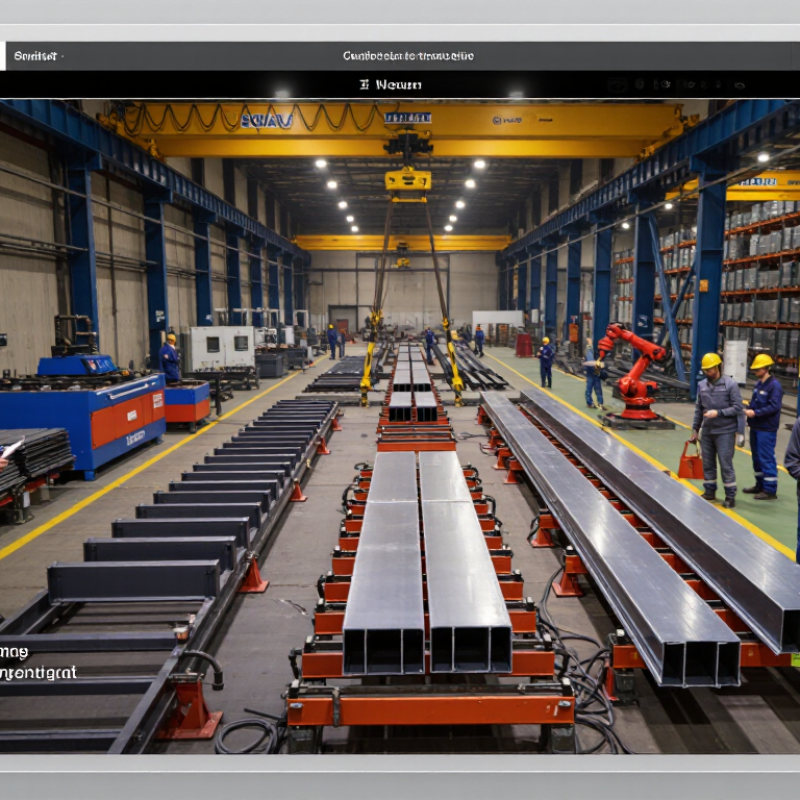
Structural steel and plate fabrication companies turn design information into components that crews can assemble on site. They review structural drawings, coordinate dimensions, and prepare shop drawings and cut lists. In the shop, workers cut, drill, weld, and shape beams, columns, and heavy plate. Some projects also need surface preparation, protective coatings, inspection records, and organized delivery.
Details matter. A hole placed a little off can complicate a connection; a plate that arrives out of sequence can slow installation. The World Steel Association’s 2024 World Steel in Figures reports 1,888.2 million tonnes of crude steel production worldwide in 2023. That figure describes mill output, not fabricated steel, but it shows the enormous material stream from which construction products are made. Fabricators bridge that gap. They check welds and dimensions against project requirements, though shop checks cannot fix every unclear drawing or field change.
Tips: Before awarding work, confirm the fabricator’s capacity, inspection process, material traceability, and delivery plan. Share current drawings and flag tight site-access limits early. Small coordination gaps matter. Even careful teams can miss one. A short review with the project engineer can prevent costly rework.
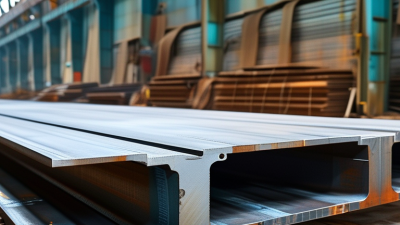
In 2026, structural steel and plate fabrication is best understood as a network of different shop types, not one uniform industry. Some fabricators focus on building frames: cutting, drilling, welding, and preparing beams and columns for erection. Others specialize in heavy plate work, forming thick material into tanks, supports, or equipment components. Integrated shops may handle both, but their capacity and expertise still vary.
The work is organized around project scale, material, and delivery needs. A regional shop might produce stairs, platforms, and connection pieces, while a larger facility handles complex assemblies with long production runs. Engineering coordination, material traceability, weld inspection, and logistics increasingly shape a shop’s role. On the floor, this can mean checking a drawing revision beside a marked steel plate before a cut begins. Small errors travel far.
The boundaries are not neat. A fabricator may serve several sectors, and terms like “structural” or “plate” are used differently across markets. That makes simple rankings unreliable; capacity, certifications, safety practices, schedule performance, and project fit deserve closer review. Automation and digital models help, but they do not remove the need for skilled judgment. People still catch mismatches. Not every shop has the same resources, either—a detail worth admitting when describing the industry.
| Industry Segment | Typical Scope | Common Products | Typical Fabrication Processes | Relevant Standards or Specifications | Typical Project Considerations |
|---|---|---|---|---|---|
| Structural steel fabricators | Fabricate members and connections for building and industrial structures from design documents. | Beams, columns, bracing, trusses, stairs, platforms, and connection assemblies. | Cutting, drilling, punching, fitting, welding, bolting preparation, and shop assembly. | AISC 360 for structural steel buildings in the United States; AWS D1.1 for structural steel welding, when specified. | Connection design responsibility, approved drawings, dimensional tolerances, traceability, and delivery sequence. |
| Heavy plate fabricators | Process thick plate and large formed sections for infrastructure, industrial, and energy applications. | Girders, base plates, diaphragms, machine frames, tanks, and large welded assemblies. | Thermal cutting, edge preparation, rolling, pressing, submerged-arc welding, and nondestructive examination. | Project-specific material and welding requirements; AWS D1.1 may apply to structural steel welds. | Plate thickness, material grade, forming limits, weld procedure qualification, inspection scope, and handling capacity. |
| Bridge fabricators | Produce steel components for highway, rail, and pedestrian bridges under transportation-agency requirements. | Plate girders, box girders, cross-frames, diaphragms, and bridge components. | Plate cutting, welding, cambering, trial assembly, dimensional inspection, and coating preparation. | AASHTO specifications and applicable agency requirements; AWS D1.5 is commonly used for bridge welding in the United States. | Fracture-critical requirements where applicable, shipping lengths, field splice fit-up, coatings, and inspection records. |
| Industrial and process-plant fabricators | Build structural and plate assemblies for manufacturing, power, mining, and process facilities. | Pipe-support steel, access platforms, equipment supports, chutes, hoppers, and maintenance structures. | Cutting, forming, welding, machining, fit-up, and modular assembly. | Applicable building codes, owner specifications, and welding codes selected for the material and service. | Operating environment, corrosion protection, equipment interfaces, plant access, and installation sequencing. |
| Pressure-vessel and storage-tank fabricators | Manufacture vessels or tanks designed for defined pressure, temperature, and service conditions. | Pressure vessels, shells, heads, process tanks, and storage tanks. | Plate rolling, head forming, welding, heat treatment where required, pressure testing, and examination. | ASME Boiler and Pressure Vessel Code may apply to pressure vessels; API 650 covers certain welded tanks for oil storage. | Applicable code jurisdiction, design conditions, material certification, examination requirements, and testing plan. |
| Bridge and infrastructure component fabricators | Supply fabricated steelwork for transport and public-infrastructure projects, often under public procurement rules. | Bridge members, sign structures, barriers, and other project-specific steel components. | Cutting, welding, drilling, fit-up, surface preparation, and protective coating work. | Contract documents and owner specifications govern; applicable AASHTO and AWS requirements depend on the project. | Prequalification, quality documentation, inspection hold points, coating systems, and transportation permits. |
| Modular and skid fabricators | Assemble structural steel and equipment into transportable modules or packaged units. | Equipment skids, pipe racks, modular frames, and preassembled plant sections. | Steel fabrication, equipment setting, piping integration, welding, dimensional control, and module testing. | Applicable structural, piping, electrical, and pressure-equipment codes are determined by module scope and destination. | Module weight and dimensions, lifting points, transport route, site interfaces, and degree of factory completion. |
| Steel service centers and processors | Prepare and distribute steel products; some provide processing but do not undertake full structural fabrication. | Cut-to-length plate, sawn sections, sheared sheet, and processed stock. | Sawing, shearing, plasma or laser cutting, flame cutting, and material handling. | Material standards and delivery requirements are generally set by the purchase order and end-use specification. | Material availability, grade and thickness verification, mill certificates, cut tolerances, and delivery lead time. |
| Regional and specialist fabricators | Serve defined geographies or niches, such as architectural steel, agricultural equipment, or repair work. | Custom frames, canopies, equipment parts, architectural components, and repair assemblies. | Processes vary with product size and material, and may include cutting, forming, welding, and finishing. | Applicable codes and specifications depend on the product, location, contract, and intended service. | Local capacity, engineering coordination, delivery distance, finish requirements, and order size. |
Key Services and Capabilities of Leading Fabricators
A reliable structural steel fabricator does more than cut and weld plate. Strong teams interpret drawings, coordinate details with engineers, and plan shop sequences before steel reaches the floor. Their core services often include connection design support, CNC cutting, drilling, rolling, welding, surface preparation, and delivery coordination. The World Steel Association reports that construction and infrastructure account for roughly half of global steel demand, underscoring the sector’s scale. Precision matters.
Look for documented inspection procedures, qualified welders, traceable materials, and clear nonconformance records. These details help prevent fit-up problems, costly field adjustments, and delayed lifts. The American Institute of Steel Construction’s guidance on quality management emphasizes planned inspection and documented controls throughout fabrication. That sounds straightforward. In practice, rushed drawing changes can still slip through, so even capable shops need disciplined review.
Capacity matters, but people matter more. The Associated General Contractors of America’s 2024 Workforce Survey found that 94% of firms with open positions struggled to fill them. Ask how a fabricator manages workload, training, and inspection coverage during busy periods. Also check whether its equipment suits your actual sections, plate thicknesses, and tolerances. A large shop is not automatically the right shop. Some capabilities look impressive on paper; project references and sample inspection records offer a better test.
A practical overview of common services offered across structural steel and plate fabrication.
How to read this chart: Bars count the representative activities listed for each service area. They are not company rankings, market statistics, or measures of fabrication capacity; actual capabilities vary by project and fabricator.
In 2026, leading structural steel and plate fabrication companies stand out through dependable workmanship, clear documentation, and realistic delivery schedules. A polished website matters less than a shop’s ability to explain how it controls fit-up, weld quality, and dimensional accuracy. Ask how drawings are reviewed before cutting begins. Small errors can become costly once a large plate is rolled or a connection is assembled.
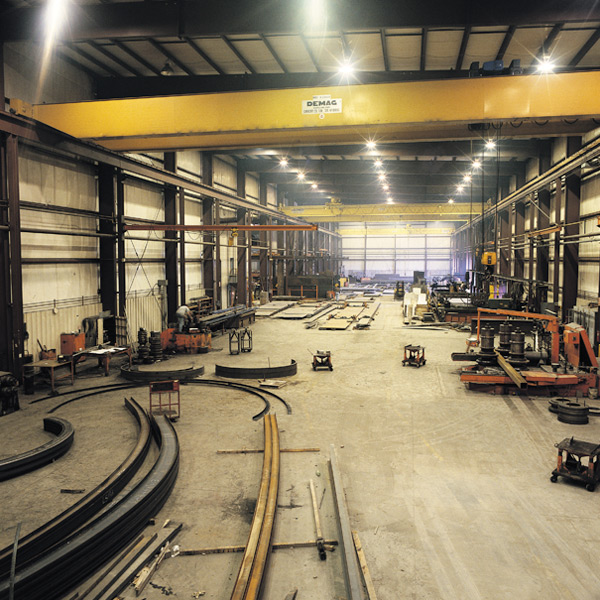
Look for facilities equipped to handle the project’s actual dimensions and tolerances. Overhead cranes, cutting tables, plate rollers, and covered storage can affect both quality and throughput. Details matter. Ask whether material grades are traceable from receiving through shipment, and how inspection findings are recorded. Qualified personnel and documented processes are useful signals, but verify that they match your project’s requirements.
The strongest partner is not always the largest. Compare recent work of similar scale, production capacity, communication practices, and plans for resolving shop-floor issues. Request a sample inspection record or discuss a typical nonconformance process. A candid answer can reveal more than a sales presentation. Some information may remain difficult to compare, especially when companies define capacity differently; clarify assumptions before judging bids. A short facility visit can show how finished pieces are protected, marked, and prepared for transport.
2026 Top Structural Steel and Plate Fabrication Companies?
How to Evaluate and Select a Fabrication Company
A strong fabricator is more than a shop with large machines. Check whether its team can interpret drawings, manage revisions, and document material traceability. Ask for sample inspection records, welding procedure documents, and examples of completed projects with similar plate thicknesses and connection details. Look closely at how the shop controls dimensional tolerances: a few millimeters of drift can complicate field fit-up. McKinsey Global Institute’s 2017 report, Reinventing Construction, found construction labor productivity grew about 1% annually over two decades, compared with 2.8% across the global economy. Clear coordination and dependable fabrication help limit avoidable delays, though no supplier can eliminate every site issue.
Tips: Request a sample inspection package before awarding work. Confirm who approves drawing changes, how nonconforming pieces are handled, and what inspection happens before shipment. Ask to see the actual workflow, not only a polished presentation. A short shop visit can reveal whether parts are clearly marked, separated, and protected from damage. If an answer feels vague, pause and ask for evidence.
Compare bids on more than price and promised lead time. Review capacity against your delivery schedule, subcontracted processes, coating controls, and transport planning. Ask how progress is reported and which milestones trigger notification. Check that the quote identifies exclusions, tolerances, and required client approvals. Even a capable shop may be a poor fit when communication or capacity does not match the project. Don’t assume. Verify.