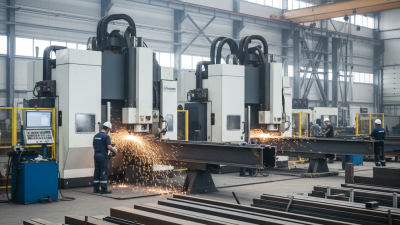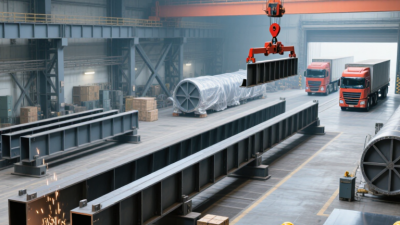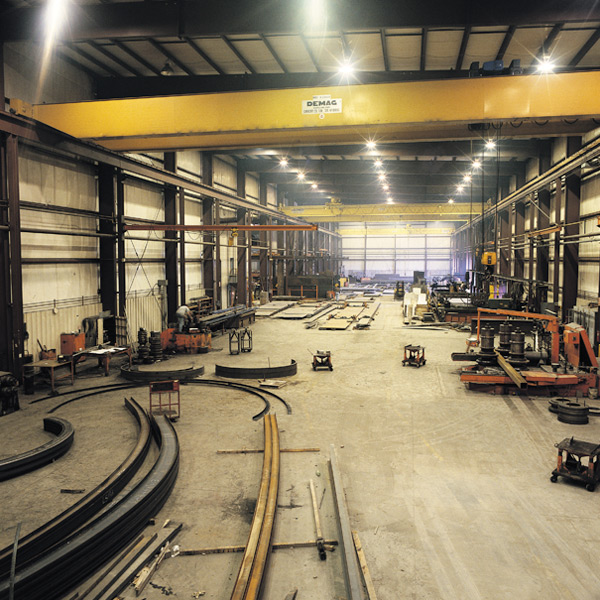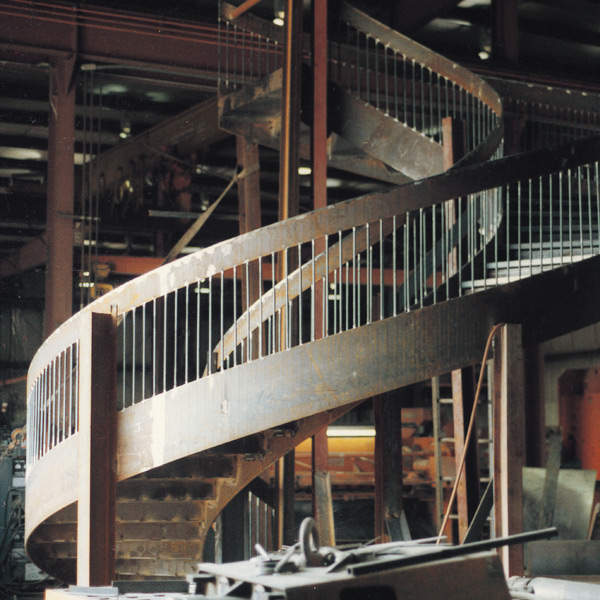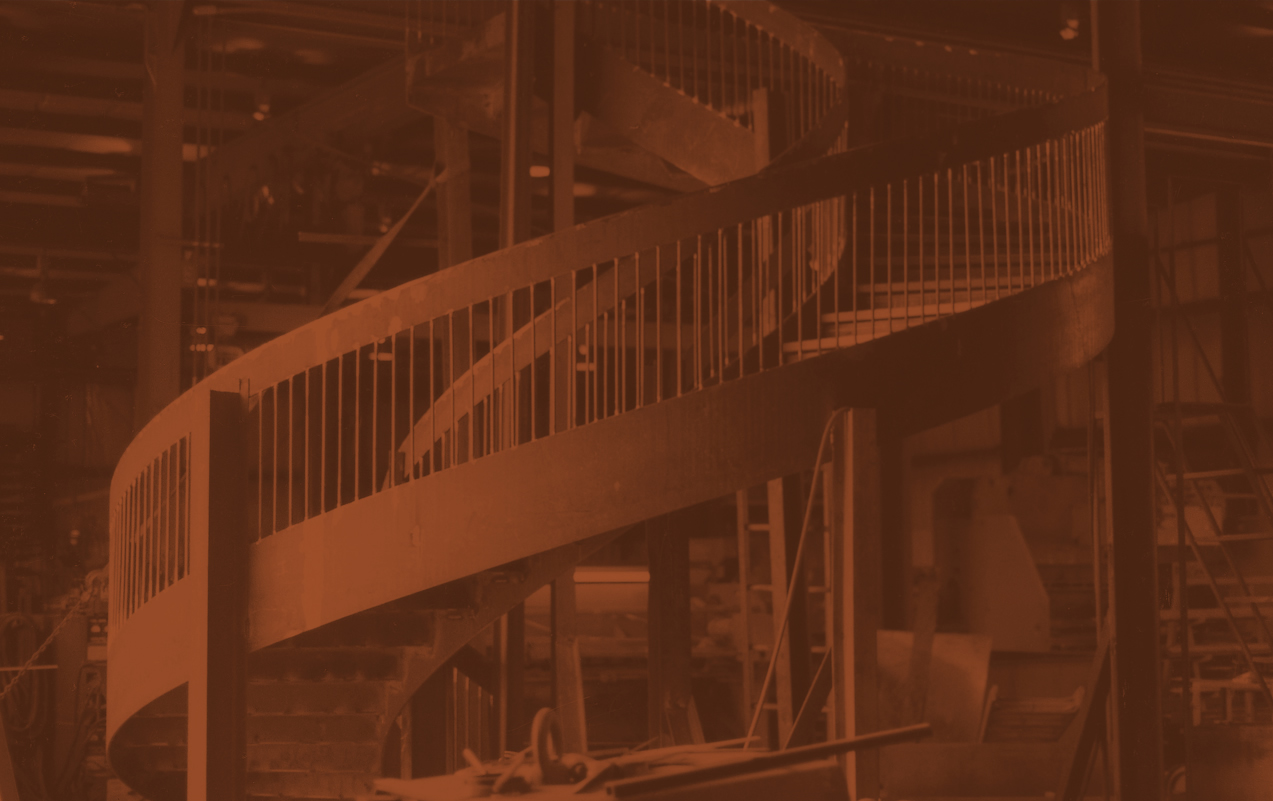


On site steel fabrication brings cutting, drilling, welding, and fitting closer to the final structure. Instead of sending every component to a distant workshop, trained crews shape steel at or near the construction location. This approach can reduce transport challenges and support faster adjustments when site conditions change. It also demands careful planning, because weather, limited space, and nearby trades can affect productivity.
The process usually begins with approved drawings, material checks, and a practical work sequence. Fabricators measure steel members, mark connection points, and prepare edges for welding or bolting. Mobile equipment then supports cutting, lifting, alignment, and inspection. Each weld should follow a suitable procedure, while inspectors verify dimensions, joint quality, and surface condition. Small details matter. A misplaced hole can delay an entire frame.
On site steel fabrication is not automatically cheaper or faster. Its value depends on access, equipment, skilled labor, and project complexity. Experienced teams review these factors before work begins. They also protect workers and the public through controlled lifting zones, suitable personal protective equipment, and documented quality checks. However, even a capable crew can face unexpected problems. Steel may arrive slightly distorted, or measurements may conflict with older drawings. These moments require judgment, not guesswork. A careful correction is often better than a rushed repair. This guide explains how the method works, where it performs well, and which limitations deserve honest attention.
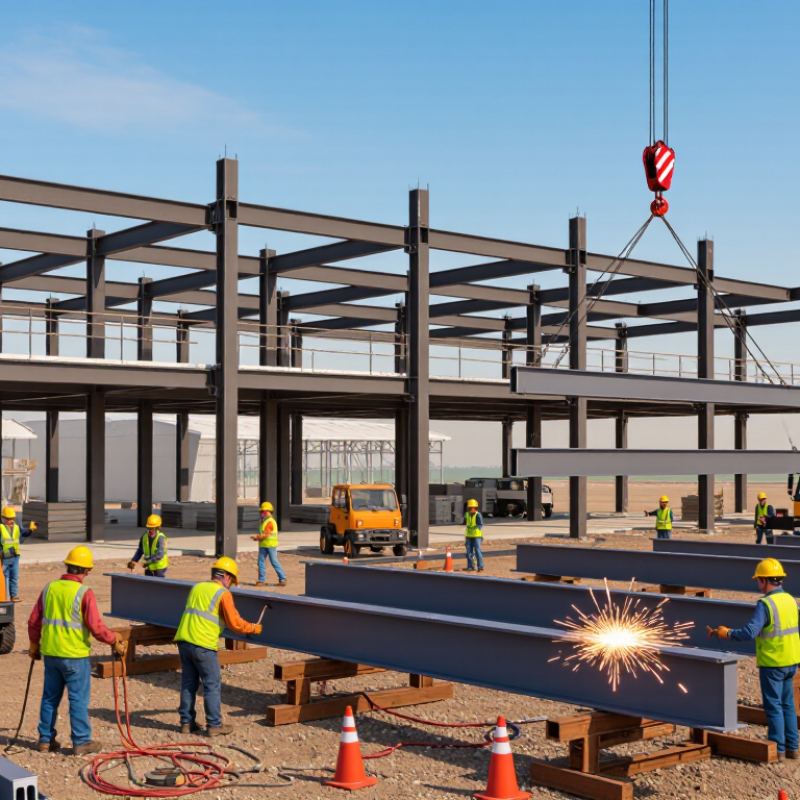
On-site steel fabrication means cutting, drilling, fitting, welding, and assembling steel at the construction location. Instead of receiving every beam fully prepared, crews adapt members beside the structure. The work begins with a verified survey, material inspection, and fabrication drawings. Workers then mark steel, cut it with saws or thermal tools, and drill connection holes. Fitters check alignment before welders or bolting teams secure each joint.
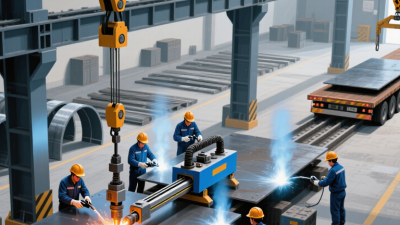
The method is practical when transport limits, late design changes, or difficult access affect the project. A portable cutting station may stand beside a half-built frame, while magnetic drills create holes directly on a column. However, on-site fabrication is not automatically faster. Weather, noise, limited lifting space, and rework can reduce productivity. That detail is often underestimated.
Safety controls must remain visible and measurable. The U.S. Occupational Safety and Health Administration reported that falls represented 38.4% of construction fatalities in 2021, making edge protection and fall planning essential. Welding screens, ventilation, fire watches, and lifting plans also support reliable execution. Inspection records should identify weld quality, bolt torque, dimensions, and coating repairs.
Steel remains a major construction material. The World Steel Association reported approximately 1.89 billion tonnes of crude steel production worldwide in 2023. Much of that steel requires accurate transformation before service. On-site work provides flexibility, but it demands experienced judgment. A rushed measurement can create expensive correction work. Sometimes, the best improvement is slowing down before the first cut.
| Data Dimension | Description | Typical Data or Measurement | How It Works on Site |
|---|---|---|---|
| Definition | Steel fabrication performed at or close to the construction site instead of being completed entirely in a remote workshop. | Work may include measuring, cutting, drilling, fitting, welding, repair, and modification of steel components. | Fabricators bring suitable tools, temporary facilities, materials, and inspection equipment to the project location. |
| Typical Materials | Structural and miscellaneous steel products selected according to the approved design and specification. | Beams, columns, channels, angles, plates, pipes, hollow sections, brackets, base plates, and connection components. | Material certificates, grades, dimensions, and heat numbers are checked before fabrication or installation. |
| 1. Site Assessment | The work area is reviewed before tools and materials are mobilized. | Access, lifting capacity, ground conditions, power supply, ventilation, weather exposure, and work permits are assessed. | The fabrication setup is positioned to maintain safe access, clear escape routes, and separation from other site activities. |
| 2. Measurement and Marking | Steel is measured and marked from approved drawings, site dimensions, and verified reference points. | Common tools include steel rules, tape measures, levels, squares, laser levels, and total-station survey equipment. | Measurements are checked against drawings and existing structures before cutting or drilling begins. |
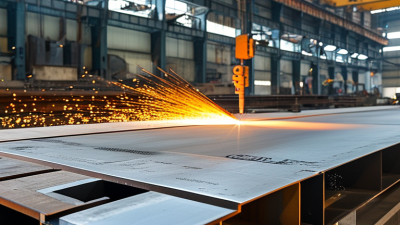
| 3. Cutting and Preparation | Steel members are cut, beveled, drilled, or prepared for connections and welding. | Equipment may include abrasive saws, band saws, magnetic drills, angle grinders, plasma cutters, and oxy-fuel cutting tools. | Cut edges are cleaned and prepared, while holes and bevels are produced to the approved fabrication requirements. |
| 4. Fit-Up and Alignment | Individual steel pieces are positioned and temporarily secured before final joining. | Checks normally include line, level, plumb, joint gap, orientation, bolt-hole alignment, and connection geometry. | Clamps, wedges, jacks, temporary bolts, and tack welds hold the components in the required position. |
| 5. Joining | Steel components are joined using welding, bolting, or a combination of both methods. | Common welding processes include shielded metal arc welding, flux-cored arc welding, and gas metal arc welding. | The selected joining method follows approved drawings, welding procedures, bolt specifications, and site conditions. |
| 6. Inspection and Testing | Completed work is inspected to confirm dimensional accuracy, connection quality, and compliance with project requirements. | Visual inspection is common; additional methods may include dye penetrant, magnetic particle, ultrasonic, or radiographic testing. | Inspection records, weld reports, bolt checks, material traceability, and nonconformance reports are completed as required. |
| 7. Surface Treatment | Exposed steel is cleaned and protected against corrosion or prepared for a specified coating system. | Methods include wire brushing, mechanical abrasion, localized blast cleaning, primer application, and touch-up painting. | Surface preparation and coating work are controlled for cleanliness, drying time, coverage, and environmental conditions. |
| Main Equipment | Portable equipment is selected according to the steel size, connection type, access restrictions, and available utilities. | Welding machines, generators, drills, grinders, cutting tools, lifting devices, clamps, measuring tools, and ventilation equipment. | Equipment is inspected, grounded where necessary, protected from weather, and operated by trained personnel. |
| Safety Controls | On-site fabrication involves hot work, sharp edges, heavy loads, electrical equipment, fumes, noise, and work at height. | Controls may include hot-work permits, fire watches, barriers, fall protection, respiratory protection, eye protection, and hearing protection. | A task-specific risk assessment and method statement are prepared before work begins and updated when conditions change. |
| Key Advantages | Fabrication can respond directly to actual site conditions and reduce the need to transport oversized or difficult-to-handle components. | Useful for late design changes, repair work, retrofit projects, restricted-access locations, and dimensional adjustments. | The team can measure existing conditions, modify components, and complete work without moving the entire structure off site. |
| Key Limitations | Site fabrication may have less controlled working conditions than a permanent workshop. | Weather, restricted space, limited lifting capacity, temporary power, noise restrictions, and coordination with other trades can affect productivity. | Detailed planning, competent supervision, suitable temporary facilities, and additional inspection are needed to maintain quality and safety. |
Note: Measurements, tolerances, inspection methods, and joining procedures vary according to the approved project drawings, applicable building codes, material specifications, and site conditions.