What Is the Best Steel Plate Fabrication Supplier in China?
Choosing the best steel plate fabrication supplier in China requires more than comparing prices. The right partner must prove capability through consistent production, documented quality, and dependable communication. As steel industry leader Lakshmi Mittal has said, “Steel is the backbone of the modern economy.” That backbone must be cut, formed, welded, and inspected with discipline.
A reliable supplier should show practical experience with carbon steel, stainless steel, and weathering steel plates. Ask for mill certificates, heat-number traceability, and EN 10204 3.1 inspection documents. Review welding procedure specifications, welder qualifications, and non-destructive testing records. Details matter. A 12-millimeter plate can still fail a project when its hole spacing is wrong or its edge contains excessive slag.
Look closely.
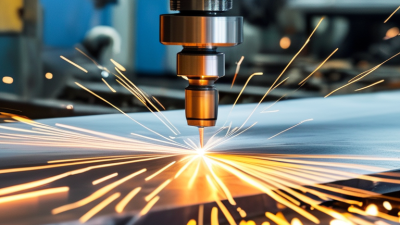
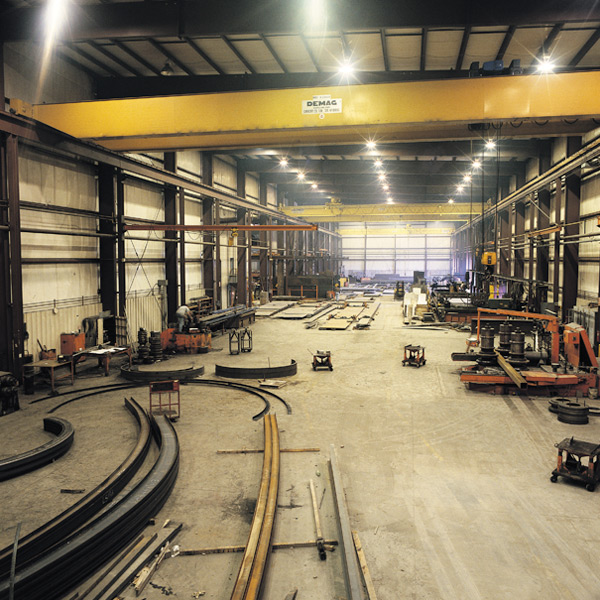
Modern workshops may use CNC plasma, fiber laser, waterjet cutting, press brakes, and automated welding cells. However, equipment alone does not guarantee accuracy. The supplier should explain tolerances, surface treatment, packing methods, and corrective procedures. ISO 9001 certification can support confidence, but it should not replace factory audits or sample inspections.
No supplier is perfect. Even experienced teams may face material delays, drawing changes, or occasional rework. What matters is how openly they report problems and how quickly they correct them. A thoughtful comparison should consider technical evidence, production capacity, export experience, response quality, and after-sales support. This guide examines those factors carefully, helping buyers distinguish a genuinely capable steel plate fabrication supplier from a company with only attractive marketing.
What Defines a Reliable Steel Plate Fabrication Supplier in China?
What Is the Best Steel Plate Fabrication Supplier in China?
What Defines a Reliable Steel Plate Fabrication Supplier in China?
A reliable supplier begins with practical fabrication experience, not attractive promises. Its engineers should understand cutting distortion, weld shrinkage, plate thickness, and edge preparation. During a factory visit, look for organized material storage and clear production routes. Plates should carry heat numbers from arrival through final inspection. This small detail protects traceability.
Professional suppliers use calibrated cutting machines, welding equipment, and measuring tools. They should provide material certificates, dimensional reports, weld inspection records, and coating test results when required.
Ask how they control tolerances after drilling, bending, or welding. A supplier that explains its inspection process clearly is easier to trust. Vague answers deserve caution.
Communication also reveals reliability. Strong teams confirm drawings, revision numbers, delivery conditions, and packing details before production. They report problems early, even when the news is inconvenient. A supplier may pass an audit and still miss a practical detail on the shop floor. That happens. The important question is whether its team investigates the cause and corrects it. Request sample projects with similar plate grades, thicknesses, and fabrication requirements. Check references carefully, because polished photos cannot prove consistent quality. A dependable partner combines documented controls with honest judgment, realistic lead times, and people who remain accountable after shipment.
How to Evaluate Steel Plate Fabrication Capabilities and Equipment
What Is the Best Steel Plate Fabrication Supplier in China?
How to Evaluate Steel Plate Fabrication Capabilities and Equipment
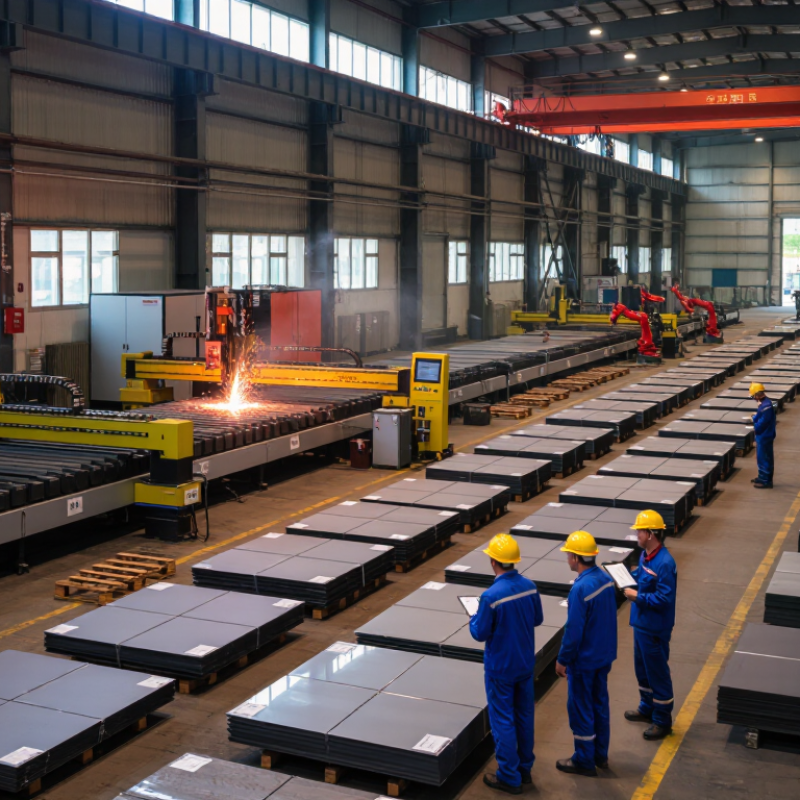
A reliable supplier should prove its fabrication capability with records, not attractive photographs. The World Steel Association reported 1.88 billion tonnes of global crude steel production in 2024. This scale makes process control increasingly important. Ask for plate thickness ranges, maximum component dimensions, cutting tolerances, and monthly throughput. Confirm whether the workshop uses CNC plasma, laser, or oxy-fuel cutting equipment. Each method suits different thicknesses and edge-quality requirements.
Welding capability deserves closer inspection. Request qualified welding procedures, welder certifications, material certificates, and traceability from plate heat number to finished assembly. ISO 3834-based quality systems can indicate controlled welding practices, but certification alone proves little. Check calibration records for welding machines, pressure gauges, and inspection tools. Independent ultrasonic, magnetic-particle, or radiographic testing should match the project specification. The supplier should also explain distortion control, preheating, stress relief, and dimensional inspection. Factory acceptance records are useful evidence.
The numbers can still mislead.
Tips: Visit the workshop, if possible. Watch a plate being cut, beveled, welded, and inspected. Compare the actual equipment with the submitted capability list. Ask how rejected parts are recorded and corrected. A supplier that openly discusses one failed batch may be more trustworthy than one claiming perfection. Also review delivery data from comparable projects, because production capacity often changes during peak periods. I would not judge quality from machinery age alone; maintenance discipline matters more.
Which Quality Standards Should Chinese Suppliers Meet?
A reliable Chinese steel plate fabrication supplier should meet recognized quality standards, not merely promise low prices. The World Steel Association reported that China produced about 1.005 billion tonnes of crude steel in 2024. That scale makes process control and traceability especially important. During a supplier audit, request ISO 9001 certification, calibrated inspection records, and documented corrective actions. ISO’s 2023 Survey recorded more than 1.26 million ISO 9001 certificates worldwide, showing its broad importance, but certification alone is not proof.
Ask whether the supplier fabricates plates under applicable GB/T, ASTM, or EN requirements. The selected standard should match the project’s design, service temperature, and delivery country. Each shipment should include a material test certificate showing heat number, chemical composition, yield strength, tensile strength, and impact results. Check that the heat number remains visible after cutting, drilling, and welding. It matters. Independent inspection can verify thickness, flatness, weld quality, and non-destructive testing results. Ultrasonic testing is useful for detecting internal lamination, especially in thick plates. ISO 45001 and ISO 14001 also indicate stronger systems for worker safety and environmental management. Still, a supplier may present polished documents while production control remains inconsistent. I would compare certificates with recent batch records, sample measurements, and factory observations. Small discrepancies deserve attention.
Quality Standards Chinese Steel Plate Fabrication Suppliers Should Meet
The chart shows the publication year of widely recognized management, welding-quality, and steelwork-execution standards. Certifications should be verified against the supplier’s current scope, production site, and project requirements.
ISO 9001 supports quality management, ISO 14001 covers environmental management, ISO 45001 addresses occupational health and safety, ISO 3834-2 defines comprehensive quality requirements for fusion welding, and EN 1090-2 specifies technical requirements for the execution of steel structures.
How to Compare Pricing, Lead Times, and Customization Options
Choosing the best steel plate fabrication supplier in China requires more than comparing the lowest quotation.
The World Steel Association reported that China produced about 1.019 billion tonnes of crude steel in 2023, representing roughly 54% of global output. This capacity can support competitive pricing, but large production volume does not guarantee consistent plate quality or reliable fabrication.
Compare landed cost, not only the factory price. Include cutting, welding, inspection, packing, inland transport, and ocean freight. Ask suppliers to separate material and processing costs. The World Bank’s Commodity Markets Outlook shows that steel prices can shift sharply with energy and raw material movements. A quotation should therefore state its validity period. Short prices can become expensive later.
Lead time needs a written production schedule.
Check mill allocation, cutting dates, welding hours, inspection, and dispatch separately. Request the supplier’s actual on-time delivery rate for the previous 12 months. Few buyers ask this. They should. For customization, review thickness tolerance, hole patterns, bevel angles, welding procedures, surface treatment, and traceability documents. Require sample drawings before production. A capable team should explain what cannot be changed safely. That answer may reveal more than a polished sales presentation. Third-party inspection, heat-number traceability, and documented corrective actions also strengthen reliability. However, I would not accept certificates without matching plate markings and test records.
How to Verify Supplier Experience, Certifications, and Export Support
What Is the Best Steel Plate Fabrication Supplier in China?
A reliable supplier should prove experience with documents, not attractive website claims. Ask for project records showing plate grades, thicknesses, welding methods, and delivery dates. Factory photos should reveal cutting tables, cranes, welding stations, and inspection areas. Better still, request contact details for recent export customers. A short video call can confirm whether the equipment is real.
Check certifications carefully. An ISO 9001 certificate supports process control, but it does not guarantee excellent fabrication. Request current certificates, issuing bodies, audit dates, and the certified production scope. For steel plates, review material certificates, heat numbers, chemical analysis, mechanical test results, and dimensional reports. Welding work may require qualified procedures and trained operators. Traceability should continue from incoming plate to the final marking. Small gaps matter.
Export support is equally important. Confirm whether the supplier prepares commercial invoices, packing lists, certificates of origin, and inspection documents accurately. Ask how plates are protected against rain, shifting, and edge damage during ocean transport. Clarify port experience, lead times, payment stages, and communication after shipment. A supplier may sound confident yet provide vague answers. That is a warning. My own verification checklist would not be perfect; production changes, and documents can become outdated. Recheck everything before signing, including tolerances and responsibility for rework.