
How to Find a Top Stainless Steel Fabrication Shop in China?

Choosing a reliable stainless steel fabrication shop in China requires more than comparing prices. The real test is whether a supplier can control materials, tolerances, welding quality, and delivery risks consistently.

The International Stainless Steel Forum, now known as worldstainless, reported approximately 58.4 million tonnes of crude stainless steel production worldwide in 2023. China represented the largest production share, making the country a major sourcing base for fabricated stainless steel components. Scale helps. It does not guarantee craftsmanship.

A qualified buyer should examine factory experience, equipment capacity, and documented quality systems. Look for laser cutters, CNC press brakes, certified welders, and inspection tools suited to the project. Material certificates, such as EN 10204 3.1 documents, can confirm grade and heat information. ISO 9001 certification may support process consistency, but it should never replace an on-site audit or sample inspection.

Details matter.

A practical evaluation should include surface finish, weld penetration, dimensional tolerance, packaging, and corrective-action records. The American Society of Mechanical Engineers and ASTM International publish widely used standards for pressure equipment, materials, and testing. These references help buyers define measurable requirements before production begins.

No supplier is perfect. Even experienced factories can misunderstand drawings or overlook a finishing defect. That is why clear drawings, approved samples, inspection checkpoints, and traceable communication remain essential. This guide explains how to identify a capable stainless steel fabrication shop in China and avoid decisions based only on attractive quotations.
How to Find a Top Stainless Steel Fabrication Shop in China?

Define Your Stainless Steel Fabrication Requirements

Define Your Stainless Steel Fabrication Requirements

A reliable fabrication project starts with a precise requirement sheet. Identify the stainless steel grade, sheet thickness, dimensions, and expected quantity. Grade 304 suits many indoor applications, while grade 316 handles more corrosive environments. Do not choose by price alone. The wrong grade can create staining, cracking, or early replacement.

Specify the surface finish clearly, such as brushed, mirror-polished, or mill finish. Include drawings with tolerances, bend angles, hole positions, and weld locations. A tolerance of ±1 millimeter may be acceptable for a cover, but not for an assembled frame. State whether visible welds need grinding and polishing. Also describe the working environment, including moisture, heat, chemicals, and outdoor exposure. Small details matter.

Request sample approval before full production. Ask for material certificates, dimensional inspection records, weld photographs, and packaging details. A serious workshop should explain its cutting, bending, welding, and quality-control process. It should also identify limitations instead of promising everything. I have seen requirement sheets that looked complete but missed corner radii and installation access. That mistake caused rework and delayed delivery. Your first draft may be imperfect. Review it with an engineer, installer, or experienced fabricator. A practical checklist should cover final dimensions, allowable variation, finish consistency, inspection standards, delivery condition, and replacement procedures for damaged parts.
Evaluate the Shop’s Manufacturing Capabilities

How to Find a Top Stainless Steel Fabrication Shop in China?

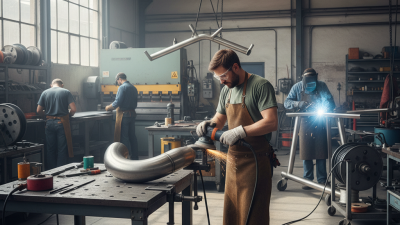
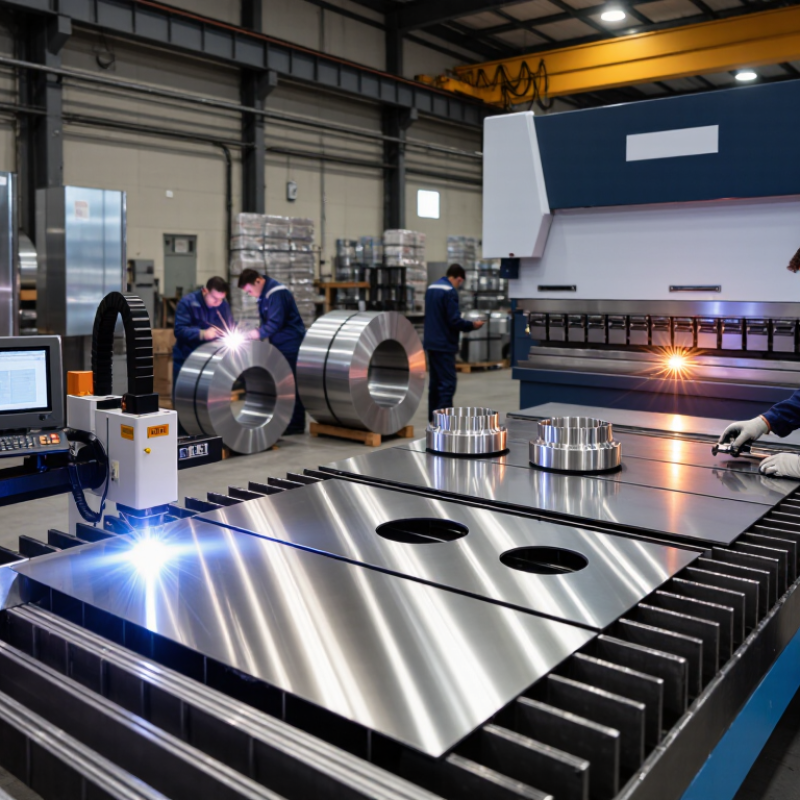
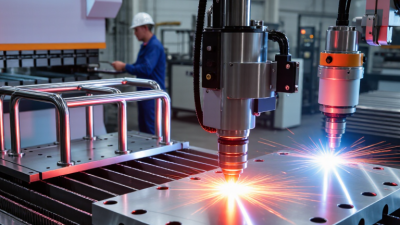
A capable shop should show more than polished photographs. Review its cutting, bending, welding, polishing, and inspection equipment. Laser cutters should handle your actual thickness range, not only thin demonstration sheets. Check press-brake tonnage, bending accuracy, and machine maintenance records. Numbers matter.

World Stainless reported 58.4 million tonnes of global stainless crude steel production in 2023. China produced approximately 62% of that volume, according to the same statistical report. This scale can support strong supply chains, but capacity alone proves little. Ask for monthly output, current utilization, and examples matching your alloy, dimensions, and tolerances. A factory with overloaded lines may miss delivery dates.

Evaluate welding procedures, operator qualifications, and traceability from coil to finished part. Request material certificates, weld inspection records, surface roughness results, and dimensional reports. ISO 9001 certification is useful, while ISO 3834-based welding controls offer deeper evidence of process discipline. Photos are insufficient. I would not accept one perfect sample as proof; controlled variation matters more. Ask the shop to produce a pilot batch and measure ten separate parts. Compare results against your drawings, not verbal promises. The best assessment may reveal weaknesses, and that is valuable before full production begins.

How to Find a Top Stainless Steel Fabrication Shop in China?

Evaluate the Shop’s Manufacturing Capabilities

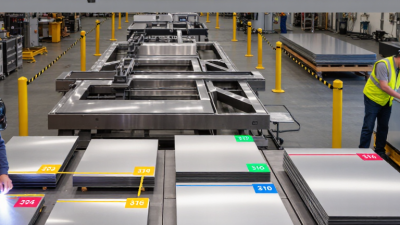
These practical RFQ screening references help evaluate a shop’s equipment and process coverage. Confirm the actual limits with equipment specifications, qualified welding procedures, inspection records, and material traceability documents.

Verify Quality Standards, Certifications, and Materials

How to Find a Top Stainless Steel Fabrication Shop in China?

A reliable fabrication shop should prove quality, not merely promise it. Ask for current certificates, their issuing bodies, and the exact production scope covered. ISO 9001 can indicate controlled processes, but it does not guarantee perfect workmanship. Check certificate numbers independently and confirm their validity dates. A certificate alone can create false confidence.

Material traceability matters just as much. Request mill certificates showing the stainless grade, heat number, chemical composition, and mechanical properties. For 304 or 316L parts, the heat number should match markings on the material or production records. Consider independent PMI testing for critical orders. Inspect welds for discoloration, uneven penetration, and sharp edges. Proper cleaning and passivation should follow the agreed specification. I have seen attractive samples fail because their material records were incomplete.

Tips: Ask for a sample inspection report before placing a large order. Compare measured thickness, dimensions, surface finish, and weld quality against your drawings. Confirm whether testing is performed in-house or by an accredited laboratory. Keep communication written and specific. No checklist is perfect. Your own inspection plan may need revision after the first shipment. A dependable shop should accept reasonable audits, explain nonconformities clearly, and provide corrective-action records. That response often reveals more than polished sales documents.

Compare Pricing, Lead Times, and Communication

Finding a capable stainless steel fabrication shop in China requires more than choosing the lowest quotation. The International Stainless Steel Forum reported about 36.7 million tonnes of Chinese stainless crude-steel production in 2023, nearly 63% of global output. This scale offers capacity, but quality varies widely. Request identical specifications from each supplier, including grade, thickness, surface finish, welding standard, tolerances, tooling, packaging, and delivery terms. A cheaper quote may exclude inspection or export packing.

Compare lead times line by line. Ask for separate dates for drawing approval, material purchasing, cutting, welding, finishing, inspection, and shipment. A realistic supplier should identify capacity limits before accepting an order. Confirm whether the quoted schedule covers only factory production. Port congestion and customs handling can add days. The World Bank’s Logistics Performance Index shows that international shipment reliability depends heavily on tracking, border processing, and infrastructure, not factory speed alone. Ask for a written recovery plan if production slips.

Communication is measurable. Require one technical contact, weekly progress photos, revision-controlled drawings, and prompt responses to engineering questions. Use video calls to inspect weld appearance, edge treatment, and packing details. Small tests help. Send a sample drawing before signing a large contract. In practice, I have seen clear communication prevent more defects than a polished sales presentation. Still, no supplier communicates perfectly. Vague replies, unexplained price changes, or repeated drawing errors deserve careful review, even when the workshop appears experienced.

Inspect Samples and Confirm the Final Production Agreement

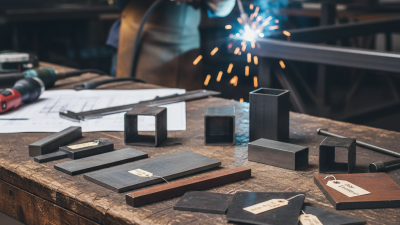
A reliable stainless steel fabrication shop should welcome sample inspection before mass production. Request cut sections, welded corners, polished surfaces, and drilled holes from a recent project. Hold each piece under bright light. Check for scratches, uneven polishing, warping, pinholes, and visible heat discoloration. Measure thickness with a calibrated gauge, not by appearance alone. Confirm the stainless steel grade through material certificates and traceability records. Certificates can contain errors, so independent verification may still be sensible.

Tips: Compare samples with your drawings and tolerance list. Ask how welds are cleaned, passivated, and inspected. Photograph every approved detail. A sample can look excellent while hiding weak internal workmanship. Discuss this openly.

Before production begins, prepare a final agreement with drawings, quantities, dimensions, material grade, surface finish, welding standards, tolerances, inspection stages, packaging, and delivery terms. Add clear acceptance criteria for color variation and polishing marks. These details prevent arguments later. Specify who pays for rework when production differs from the approved sample. Confirm revision numbers on every drawing and email. A verbal promise is easy to misunderstand.

Leave room for practical judgment. Some finishes change slightly between small samples and large panels. I have seen apparently minor tolerance changes create installation problems. Ask the shop to identify such risks before signing. A pre-production meeting, followed by written approval, provides stronger evidence than confidence alone. Do not rush the final agreement.

Request a Quote