
China Best Steel Fabrication Equipment Suppliers?

Choosing China’s best steel fabrication equipment suppliers is not a ranking exercise alone. The right partner must match your materials, production volume, tolerances, and service needs. A shop cutting 12-millimeter plate has different priorities from a line processing heavy structural sections. Details matter.

Manufacturing quality expert W. Edwards Deming is often associated with the principle, “Quality is everyone’s responsibility.” For buyers, that means looking beyond a machine’s brochure. Ask how the supplier verifies cutting accuracy, trains operators, stocks replacement parts, and responds when a critical component fails. Request test-cut samples. Check weld quality, edge finish, and repeatability—not just advertised speed.

A practical comparison should cover CNC plasma and laser cutters, press brakes, beam drilling lines, and welding systems. Look for clear specifications, documented commissioning, and references from facilities with similar workloads. Strong suppliers explain limitations as carefully as capabilities. That builds trust.

Price still matters.

But the lowest quote may exclude installation, tooling, or local support. And a polished showroom does not prove long-term reliability. Supplier claims deserve verification; even a careful shortlist can miss a service problem. This guide compares capabilities, support, and value to help buyers assess China’s steel fabrication equipment suppliers with sharper questions and realistic expectations.
China Best Steel Fabrication Equipment Suppliers?

Steel Fabrication Equipment Suppliers in China: Market Overview

China’s steel-fabrication equipment market is supported by a vast steelmaking base and a broad manufacturing supply chain. The World Steel Association reported 1,005.1 million tonnes of crude steel production in China in 2024, out of 1,882.6 million tonnes worldwide. This scale supports demand for cutting, bending, welding, and material-handling equipment. Still, steel output is only an indirect market indicator. It does not show how much equipment factories purchase.

Suppliers range from producers of individual machines to integrators supplying complete fabrication lines. Buyers commonly compare cutting accuracy, machine uptime, service response, spare-part availability, and compatibility with existing workflows. A laser cutter may look impressive in a demonstration, but performance on thick plate and daily shifts matters more. The picture is uneven. Small workshops and large plants have very different budgets and automation needs.

Automation is also shaping supplier offerings. The International Federation of Robotics reported that China installed 276,288 industrial robots in 2023, representing 51% of global installations that year. This is a manufacturing-wide figure, not a steel-fabrication total, so it should be read cautiously. That distinction matters. For buyers, practical checks include installation support, operator training, and realistic production tests using their own material. Supplier comparisons can be difficult when specifications use different testing conditions.
Main Equipment Categories Offered by Chinese Suppliers

Main Equipment Categories Offered by Chinese Suppliers

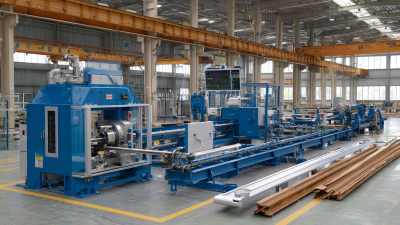
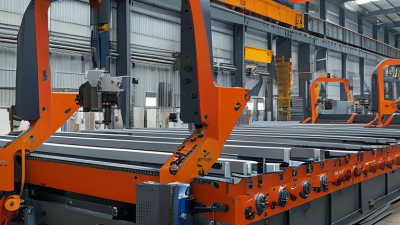
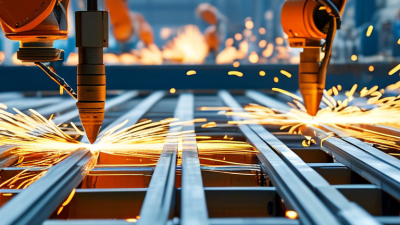
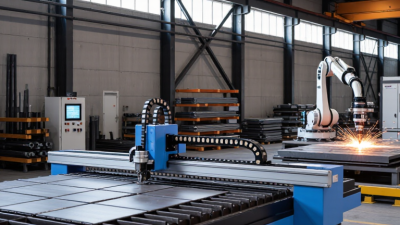
Chinese steel fabrication suppliers commonly offer cutting, forming, welding, machining, and material-handling equipment. Cutting lines may combine laser or plasma systems with nesting software, while forming shops supply press brakes, shears, and roll-forming machines. Welding options range from manual stations to robotic cells. These categories support different stages of production, not one universal workflow. The World Steel Association reported 1,892.2 million tonnes of global crude steel production in 2023, a reminder of the scale behind demand for reliable fabrication capacity.

Automation is increasingly relevant. The International Federation of Robotics reported that China installed 276,288 industrial robots in 2023, about 51% of global installations. That figure covers industrial robots broadly, not just steel fabrication, but it signals a strong automation ecosystem. When comparing suppliers, ask for machine specifications, sample cut or weld results, installation plans, and spare-parts availability. A polished catalogue is not proof of consistent output. Check tolerances on your own material thicknesses.

Tips: Request a live trial using a representative drawing and steel grade. Confirm power, floor space, extraction, and operator training before ordering. Leave room for maintenance access. Small details matter. A mismatch between line speed and downstream handling can create bottlenecks, even when each machine performs well alone.

China Best Steel Fabrication Equipment Suppliers? - Main Equipment Categories Offered by Chinese Suppliers
Equipment Category Common Equipment Primary Fabrication Work Typical Selection Factors Common Applications
Plate and Profile Cutting CNC plasma, oxy-fuel, and fiber-laser cutting machines Cutting sheet, plate, and selected structural profiles to shape and size Material type, thickness, table size, cut quality, and required production rate Structural parts, plates, brackets, and prepared blanks
Sawing and End Preparation Band saws, circular saws, and pipe or tube cutting machines Straight cutting of bars, beams, tubes, and other stock; some systems support angled cuts Workpiece dimensions, cutting angle, feed method, and bundle-cutting needs Beam shops, pipe fabrication, and general metalworking
Bending and Forming Hydraulic press brakes, plate rolls, and section-bending machines Forming sheet, plate, and structural sections into bends, curves, or rolled shapes Material thickness, bending length, forming force, roll geometry, and target radius Enclosures, tanks, curved platework, and formed structural components
Drilling and Milling Radial drilling machines, CNC plate drills, and beam drilling lines Producing holes, slots, and machined features in plates and structural sections Workpiece size, hole diameter, positioning accuracy, and number of axes Connection plates, beam components, and bolted assemblies
Welding and Joining MIG/MAG, TIG, submerged-arc, and welding-positioning equipment Joining compatible metal components using a process suited to the material and joint Material, joint design, weld position, duty cycle, and applicable welding procedure Frames, beams, vessels, and fabricated assemblies
Beam and Structural Steel Processing CNC beam drilling, marking, sawing, and coping systems Automated processing of structural sections, often combining several operations in a line Section dimensions, handling length, processing sequence, and software compatibility Building frames, warehouses, bridges, and other structural steelwork
Surface Preparation and Finishing Shot-blasting machines, grinding equipment, and coating or painting lines Removing scale or contaminants and preparing fabricated parts for finishing Part dimensions, required surface condition, throughput, dust control, and coating system Structural steel, platework, and parts requiring protective coatings
Material Handling and Automation Roller conveyors, loading systems, positioners, and transfer equipment Moving, aligning, and positioning stock or workpieces between fabrication operations Load capacity, workpiece dimensions, layout, safety requirements, and system integration Production lines and workshops seeking more consistent material flow
Equipment availability and machine specifications vary by supplier and configuration. Confirm technical requirements, applicable standards, installation scope, and after-sales support before purchasing.

How to Assess Supplier Quality, Capacity, and Certifications

When comparing steel fabrication equipment suppliers in China, look beyond polished brochures. Ask for recent inspection records, machine serial numbers, and videos showing equipment under load. A laser-cut frame may look clean in photos, but alignment, weld consistency, and surface finish tell a fuller story. Request sample parts made from material similar to yours. Check dimensions against the drawing, then inspect edges, holes, and repeatability across several pieces. Small deviations matter. Ask how defects are recorded and corrected, not only whether the supplier claims a low rejection rate.

Capacity needs evidence too. Review the production schedule, available shifts, key machine list, and maintenance logs. A factory may have many machines, yet one bottleneck can delay an order. Ask who handles programming, setup, and final inspection, and whether a backup operator is available. Verify certificates with the issuing organization where possible; check names, validity dates, covered processes, and site scope. A certificate may not cover every operation. Request welding procedure documents, operator qualifications, and calibration records when relevant. Arrange a live video walkthrough or independent audit before paying a deposit. Even a careful checklist can miss things, so allow time for a pilot batch.

China Steel Fabrication Equipment Suppliers: How to Assess Supplier Quality, Capacity, and Certifications

Illustrative assessment scores on a 1–5 scale, not ratings of specific suppliers. Review documented inspection procedures, production capacity and lead times, applicable certifications, technical support, and delivery performance when evaluating suppliers.

Ways to Verify a Supplier Before Placing an Order

Before ordering steel fabrication equipment from China, look beyond a polished catalog. Request a live video tour of the workshop and ask to see the specific machine type you plan to buy. Check the production area, assembly work, and finished equipment—not just a staged showroom. A clear answer matters. Small details matter.

Compare the written specifications with the quotation. Confirm working range, material thickness, output capacity, and included components. Ask for inspection records or a short test using material similar to yours. If a sample test is unavailable, request clear video showing the machine running and producing a finished part. Ask for recent customer references, then speak with them directly about delivery, setup, and problems after installation. A video alone proves little.

Review service arrangements before paying. Get details about installation support, training, warranty coverage, and spare-part availability in writing. Check that the agreement identifies the model, configuration, delivery schedule, and acceptance criteria. Be cautious when answers stay vague or documents change between messages. A low price can distract from missing service details. I would still pause if a supplier’s claims cannot be checked; that hesitation is useful, even when it slows the purchase.

Factors for Matching a Supplier to Your Production Needs

Choosing steel fabrication equipment is less about buying the biggest machine and more about matching its working range to actual jobs. Start with steel grades, thicknesses, part dimensions, tolerances, and monthly volume. Bring real drawings. Ask the supplier to process a sample using your material, not a polished demonstration blank. Check cut edges, hole positions, cycle time, and changeover effort. Small details matter. A machine may meet its rated capacity yet struggle with thin sheets, short runs, or frequent profile changes. Ask what material and setup conditions support the quoted production speed.

Supplier fit also depends on your facility and team. Confirm power requirements, floor space, loading access, operator training, and the availability of wear parts. Request a service response plan and speak with customers producing similar parts, if possible. A capable supplier should explain limitations plainly, including setup time and maintenance intervals. Be cautious when every answer sounds effortless. It is easy to overvalue peak speed; even careful buyers can overlook frequent tooling changes. A missed detail, such as insufficient aisle space for long sections, can complicate installation. Compare expected service and consumable costs alongside the purchase price.

Request a Quote