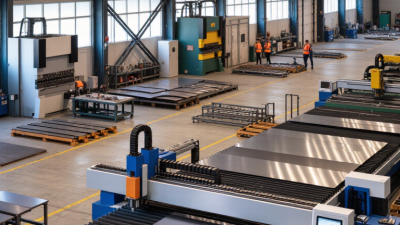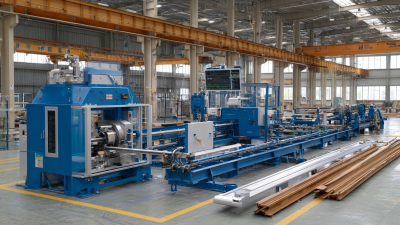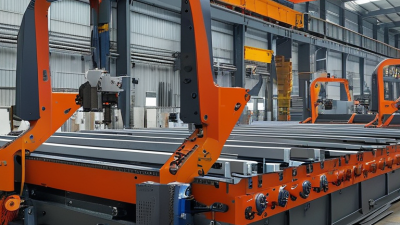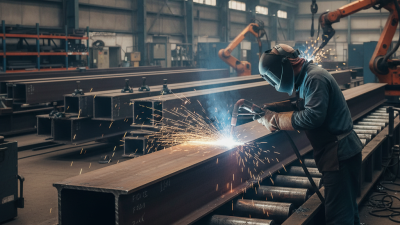


Choosing steel fabrication equipment is a practical decision with long-term consequences. A cutting table, press brake, or welding cell can shape productivity for years. It also affects safety, energy use, training, and product consistency.
The scale of the industry makes this decision more important. The World Steel Association reported approximately 1.89 billion tonnes of crude steel production in 2023. That volume creates intense pressure for efficient fabrication processes. Meanwhile, the International Federation of Robotics recorded 541,302 industrial robot installations worldwide in 2023. Automation is expanding, but it is not automatically suitable for every workshop.
The right steel fabrication equipment must match material grades, thickness ranges, part dimensions, tolerance requirements, and expected production volume. A small job shop may gain more from a flexible fiber laser than from a high-speed automated line. A large manufacturer may need robotic welding, automated material handling, and connected production monitoring. Measure twice.
Energy consumption deserves close attention. The International Energy Agency identifies steelmaking as a major industrial source of carbon dioxide emissions. Fabricators should therefore examine motor efficiency, compressed-air demand, idle power, and maintenance requirements before purchasing. A cheaper machine can become expensive through downtime, scrap, and difficult servicing.
This guide examines equipment selection through practical engineering criteria, supplier evidence, and lifecycle cost. It also questions common assumptions. Faster is not always better. Automation is not always profitable. The strongest decision combines verified specifications, operator experience, safety compliance, and realistic production data. That is where reliable equipment choices begin.
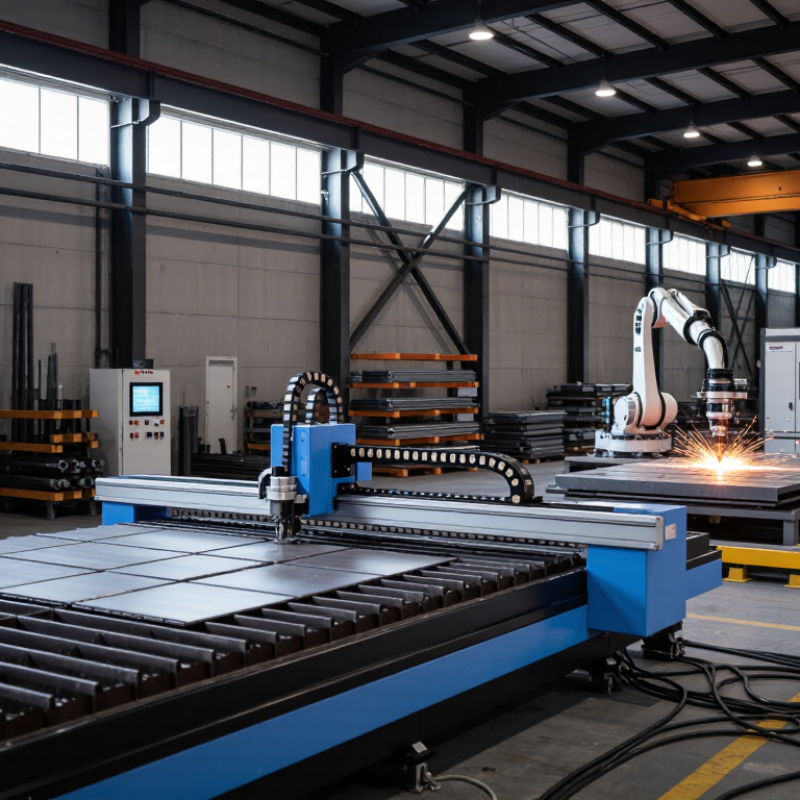
How to Choose Steel Fabrication Equipment?
Understanding the project specification should come before comparing equipment. Define material grade, plate thickness, profile size, tolerances, batch volume, and finish requirements. A machine suitable for thin sheet may struggle with heavy plate and repeated production. Start with the part. Measure twice.
The World Steel Association reported approximately 1.89 billion tonnes of crude steel production in 2023. This scale shows why fabrication processes must handle varied materials efficiently. Select equipment around actual workload, not the largest possible capacity. Check cutting speed, bending force, weld duty cycle, positioning accuracy, and compatible tooling. Also review floor loading, electrical supply, ventilation, dust extraction, and operator access. These details often decide whether installation succeeds.
Digital capability deserves careful attention. Deloitte’s 2024 Smart Manufacturing and Operations Survey reported that 86% of manufacturing leaders viewed smart manufacturing as a major competitiveness driver within five years. However, connectivity cannot repair unclear drawings or inconsistent inspection methods. Choose software that supports traceability, revision control, and production records. In practice, simple data capture may outperform an advanced system that operators avoid. Maintenance access matters too. A machine can be technically impressive yet unsuitable when critical components require long service delays. No spreadsheet captures every shop-floor surprise. Review sample parts, test tolerances, and ask whether the equipment still fits the next project.
| Equipment Type | Typical Material and Thickness Range | Typical Cutting or Forming Capability | Indicative Accuracy | Best-Suited Project Requirements | Key Utility Requirements | Main Advantages | Important Limitations |
|---|---|---|---|---|---|---|---|
| CNC Fiber Laser Cutter | Carbon steel, stainless steel, and aluminum; commonly from thin sheet up to approximately 20–30 mm for carbon steel, depending on power and machine configuration. | High-speed profiling of flat sheet and plate with intricate contours, holes, slots, and small features. | Typically about ±0.05 to ±0.15 mm for machine positioning; finished-part accuracy also depends on material, thickness, heat input, and programming. | High-volume sheet production, detailed profiles, small holes, tight feature spacing, and jobs requiring low heat distortion. | Three-phase electrical supply, compressed air or process gas, assist gas such as oxygen or nitrogen, extraction, and suitable cooling equipment. | Fast processing of thin material, narrow kerf, good edge quality, strong repeatability, and easy CNC automation. | Capital cost can be high; thick plate cutting is slower and may require a different cutting process. |
| CNC Plasma Cutter | Carbon steel, stainless steel, and aluminum; commonly suitable from approximately 3 mm to 50 mm, with heavy-duty systems capable of greater thicknesses. | Profiling of medium and thick plate, including straight cuts, bevels, holes, and large structural components. | Commonly about ±0.3 to ±1.0 mm, depending on system class, plate condition, thickness, consumables, and process settings. | Structural frames, base plates, brackets, gussets, and medium-to-heavy plate fabrication with moderate tolerances. | Three-phase electrical supply, compressed air or process gas, fume extraction, water table or equivalent heat and smoke control, and CNC control. | Good productivity on medium and thick plate, lower operating cost than many high-precision methods, and flexible bevel-cutting options. | Produces a wider heat-affected zone than laser cutting and is less suitable for very small holes or extremely tight tolerances. |
| Oxy-Fuel Cutting Machine | Primarily carbon steel; commonly used from approximately 6 mm to 150 mm or more, depending on torch capacity and process setup. | Straight, contour, and bevel cutting of thick carbon-steel plate. | Commonly about ±1.0 to ±2.0 mm or more, depending on thickness, plate condition, torch setup, and required edge quality. | Very thick carbon-steel plate, large structural parts, heavy machinery bases, and projects where cutting speed is less critical than thickness capacity. | Fuel gas, oxygen supply, ventilation, flashback protection, and trained operators following gas-safety procedures. | Excellent thick-plate capacity, relatively simple process, and practical for large-format cutting. | Not suitable for stainless steel or aluminum without specialized processes; greater heat input and slower cutting of thin material. |
| CNC Press Brake | Carbon steel, stainless steel, and aluminum sheet or plate; commonly used from approximately 0.5 mm to 20 mm, depending on machine tonnage, tooling, and bend length. | Air bending, bottoming, or coining for channels, angles, boxes, flanges, and multi-bend components. | Typically about ±0.5° for bend angle and approximately ±0.1 to ±0.3 mm for back-gauge positioning under suitable conditions. | Repeatable bent parts, enclosures, brackets, frames, cabinets, and components with defined bend angles and flange dimensions. | Three-phase electrical supply, hydraulic or electric drive system, suitable tooling, and adequate floor loading. | Flexible forming capability, repeatable CNC production, reduced setup time, and efficient production of complex sheet-metal shapes. | Requires correct tooling selection and bend allowance calculations; springback varies with material grade and thickness. |
| Hydraulic or Mechanical Shear | Carbon steel, stainless steel, and aluminum sheet or plate; commonly used from thin sheet up to approximately 6–25 mm, depending on shear capacity. | High-speed straight-line cutting of strips, blanks, and rectangular panels. | Typically about ±0.1 to ±0.5 mm for cut length under controlled setup and material conditions. | High-volume blanking, rectangular parts, preparation before bending, and projects dominated by straight cuts. | Electrical supply, hydraulic system where applicable, properly adjusted blade clearance, and material handling space. | Fast straight cuts, low programming requirements, and efficient operation for repetitive rectangular blanks. | Limited to straight cuts; may create burrs, distortion, or edge rollover if blade clearance is incorrect. |
| Plate Rolling Machine | Carbon steel, stainless steel, and aluminum plate; commonly from approximately 2 mm to 50 mm, depending on roll diameter, width, and machine capacity. | Rolling plate into cylinders, cones, arcs, and curved structural shells. | Typical roundness and dimensional accuracy depend strongly on plate thickness, material yield strength, roll geometry, and pre-bending capability. | Tanks, ducts, pressure-vessel shells, large pipes, curved covers, and cylindrical structural components. | Three-phase electrical or hydraulic power, lifting equipment, adequate clearance, and support for long or heavy plates. | Efficient production of large curved parts and compatibility with a wide range of plate thicknesses. | Requires skilled setup; small diameters and short lengths may need specialized rolls or additional forming operations. |
| CNC Drilling and Beam Line | Structural carbon-steel beams, channels, angles, flats, and plates; commonly used for holes from approximately 10 mm upward, depending on tooling. | Drilling, scribing, slotting, tapping, coping, and layout operations on structural members. | Commonly about ±0.5 to ±1.0 mm for hole positioning, depending on machine configuration, calibration, and workpiece handling. | Steel structures, connection plates, columns, beams, trusses, and projects requiring repeatable bolt-hole patterns. | Three-phase electrical supply, compressed air, coolant or mist system where required, chip removal, and lifting equipment. | Improves hole-location consistency, reduces manual layout, and supports high-throughput structural fabrication. | Less suitable for intricate thin-sheet profiles; tooling wear and beam alignment must be controlled. |
| MIG/MAG Welding System | Carbon steel, stainless steel, and some aluminum applications; commonly used for material from approximately 1.5 mm to 25 mm per pass and multi-pass assemblies. | Continuous wire welding for fillet, butt, lap, and structural joints. | Dimensional accuracy depends mainly on fixture design, weld sequence, joint preparation, heat input, and operator or robotic control. | General fabrication, frames, brackets, machinery assemblies, and medium-to-high production welding. | Electrical supply, shielding gas, welding wire, ventilation, grounding, personal protective equipment, and suitable fixtures. | High deposition rate, relatively easy automation, and good productivity for common steel assemblies. | Requires control of weld distortion, spatter, shielding-gas coverage, and joint cleanliness. |
| TIG Welding System | Stainless steel, aluminum, carbon steel, and other weldable metals; especially effective for thin materials and visible or critical welds. | Precise fusion welding with or without filler metal for butt, corner, fillet, and pipe joints. | High weld-control capability; final dimensional accuracy depends on joint fit-up, heat input, fixture stability, and operator skill. | Thin sheet, stainless assemblies, sanitary components, precision joints, and applications requiring clean weld appearance. | Electrical supply, argon or another suitable shielding gas, tungsten electrodes, ventilation, and clean work surfaces. | Excellent arc control, low spatter, and high-quality weld appearance when properly performed. | Lower deposition rate than MIG/MAG welding and generally higher labor time for long or thick welds. |
Note: The ranges shown are practical industry guidelines rather than universal machine limits. Final equipment selection should be verified against material grade, maximum thickness, part dimensions, tolerance class, production volume, weld or cut quality requirements, available utilities, safety regulations, and the applicable project standard.