Top Heavy Structural Steel Fabrication Companies Worldwide
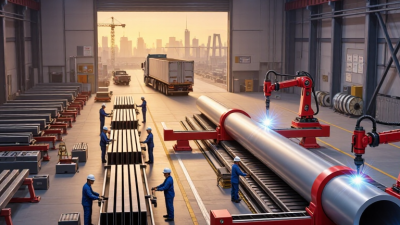
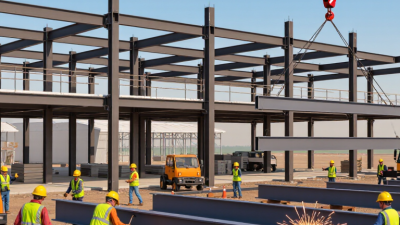
Heavy structural steel fabrication supports warehouses, bridges, power facilities, and industrial plants around the world. Behind each finished structure are engineered drawings, carefully cut plate, welded connections, and components lifted into place. The work demands more than large machines. It requires experienced teams, dependable quality controls, and coordination between designers, fabricators, and construction crews.
Small details matter.
A fabrication error can affect fit-up on site, delay installation, or require costly rework. This overview of top heavy structural steel fabrication companies worldwide considers the capabilities that matter to demanding projects: engineering support, production capacity, welding and inspection processes, project management, and experience with complex structures. It also recognizes that company strengths vary by region, material requirements, and delivery schedule. A facility with impressive equipment is not automatically the right partner for every project.
No single ranking can capture every factor, and published company information may not reveal how a team performs under real project pressure. That limitation is worth keeping in view. Readers should compare documented qualifications, relevant project experience, and communication practices before making a decision. The aim is not to promise a perfect match, but to offer a practical starting point for evaluating fabricators with care.
Industry Scope: Heavy Structural Steel Fabrication and Its Key Products
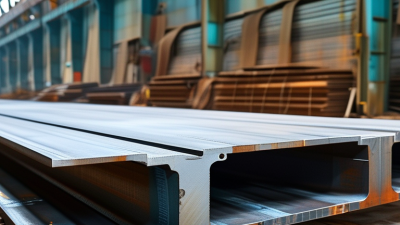
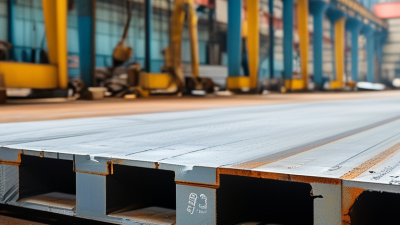
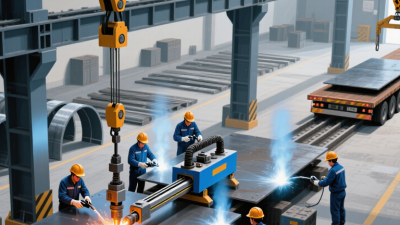
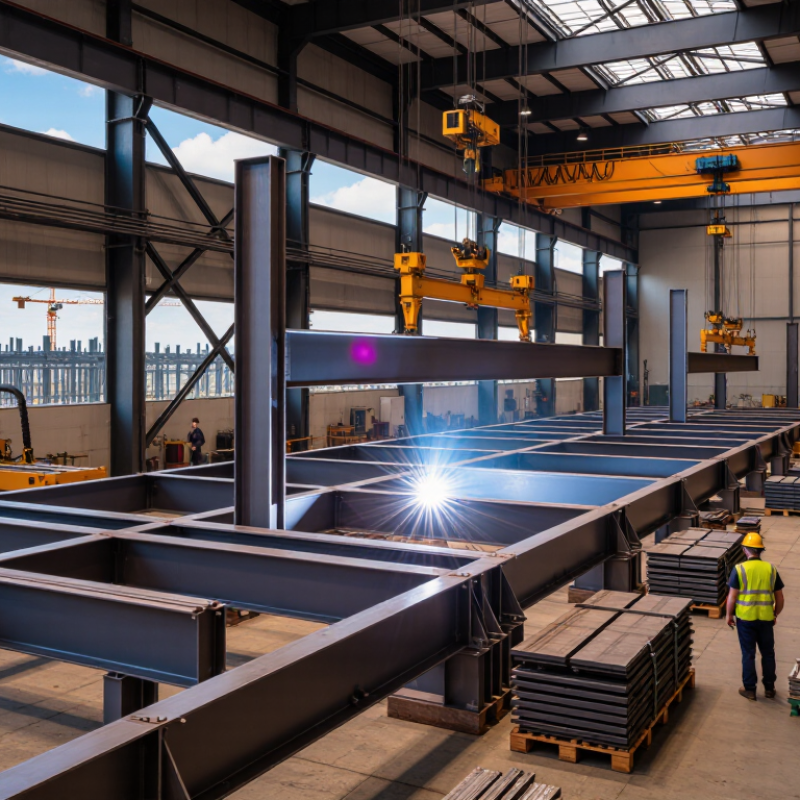
Heavy structural steel fabrication converts engineering plans into large load-bearing assemblies. Its scope commonly includes columns, plate girders, long-span trusses, transfer frames, and crane runway beams. These components support buildings, industrial facilities, and infrastructure where ordinary framing may not meet span or load requirements. Scale matters. A single girder can require carefully planned lifting, transport, and site connections.
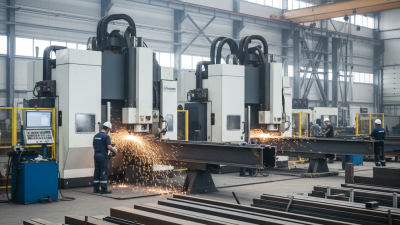
Typical work includes cutting thick plate, drilling bolt holes, welding, straightening, and trial-fitting assemblies. Fabricators check dimensions against approved drawings and inspect welds before protective coatings are applied. Connection plates and stiffeners deserve close attention; small alignment errors can complicate erection. Shop trials help, but they cannot reproduce every site condition. That limitation is easy to underestimate.
Tips: Confirm load paths, steel grades, connection details, and shipping limits early. Ask how dimensional checks and weld inspections are recorded. Keep one issue log for drawing revisions. It may feel repetitive, but unclear revisions cause real delays. A clean drawing still needs practical review.
Heavy Structural Steel Fabrication: Representative Steel Grades
Minimum specified yield strength of selected structural steel grades commonly used in fabricated beams, columns, and other load-bearing structures.
ASTM A36, A572 Grade 50, and A992 are shown as reference grades, not as a ranking of companies or products. Values are representative minimums; requirements can vary by product form and thickness. Source: ASTM A36/A36M, A572/A572M, and A992/A992M specifications.
Global Steelmaking Context: 1,892.2 Mt of Crude Steel in 2023 (worldsteel)
In 2023, global crude steel production reached 1,892.2 million tonnes, according to the World Steel Association’s World Steel in Figures 2024. That is an immense industrial flow, but it does not measure structural-steel fabrication capacity. Crude steel must still be cast, rolled, cut, welded, and inspected before it becomes a bridge girder or warehouse column. Not all becomes beams. Regional output also differs from the volume available to fabricators.
The International Energy Agency’s Iron and Steel Technology Roadmap estimates that steelmaking accounts for roughly 7% of global energy-system CO₂ emissions. This makes energy use and process efficiency important alongside tonnage when assessing supply chains.
Buyers should examine plant throughput, plate and section availability, weld controls, dimensional tolerances, and traceability. A large mill does not guarantee fast delivery. Comparisons remain imperfect: reporting methods vary, and project-specific bottlenecks can disrupt rankings.
Tips: Separate crude-steel output from fabricated tonnage when comparing suppliers. Ask for recent project references, quality records, and monthly capacity for the required plate thicknesses and section sizes. Check transport distance and coating scope, too. A quoted capacity may look impressive but still fail to match your drawings.
Company Ranking Metrics: Fabrication Tonnage, Revenue, Capacity, and Backlog
Ranking heavy structural steel fabricators requires more than comparing annual tonnage. Fabrication volume shows how much steel a company processes, but it does not reveal project complexity. A shop producing large bridge trusses faces different demands from one handling repetitive building frames. Ask whether reported tonnage covers completed work, installed work, or total production capacity.
Revenue adds scale, yet prices shift with steel costs, project mix, and contract timing. Compare revenue across several years when possible. Capacity figures also need context: available floor space, crane lifting limits, welding stations, and shift patterns can affect real output. A stated capacity is not automatically usable capacity.
Numbers need context.
Backlog can indicate future workload, but it is not delivery. Check whether orders are contracted, scheduled, and supported by materials and labor. A large backlog may signal strong demand—or delayed projects and constrained production.
Ranking methods should disclose their reporting periods and definitions, then weigh each metric consistently. No single measure is perfect; even audited figures can miss bottlenecks on the shop floor. Ask how the fabricator manages peak workloads, inspection records, and schedule changes. Those details help distinguish capacity on paper from dependable project execution.
Worldwide Leaders by Region and Their Major Project Sectors
Heavy structural steel fabrication leaders differ by region because local industries shape their skills. In North America, fabricators commonly support bridges, power facilities, and large industrial plants. European firms often work on offshore wind structures, transport hubs, and complex public buildings. East Asian capacity is closely linked to ports, shipyards, factories, and high-rise construction. In the Middle East, major project sectors include stadiums, airports, and energy infrastructure. These are broad patterns, not guarantees; individual capabilities vary widely.
Tips: Compare regional firms by project type, not reputation alone. Ask for examples involving similar steel grades, dimensions, connection details, and delivery conditions. Check how they manage inspection records and transport planning.
A capable supplier should explain its welding procedures, dimensional checks, and handling limits in plain terms. For a bridge, that may mean tracking fit-up tolerances across long girders. For an offshore structure, coating preparation and traceability matter. Site access can also change what “on-time delivery” really means. I would not assume that the largest shop is always the best fit; that judgment can be wrong when a project needs specialized sequencing or close coordination with local installers.
Quality Benchmarks: AISC Certification, EN 1090, and ISO 3834
For buyers comparing heavy structural steel fabricators, AISC certification, EN 1090, and ISO 3834 are not interchangeable badges. Each addresses a different part of production quality. AISC certification evaluates a fabricator’s quality systems through external audits. EN 1090-1 covers factory production control for structural components, while EN 1090-2 sets technical execution requirements. ISO 3834 focuses on the quality controls needed for fusion welding.
Scale makes these checks practical, not decorative. World Steel Association’s World Steel in Figures 2025 reports 1,882.6 million tonnes of crude steel production in 2024. That is not a measure of structural steel output, but it shows the size of the material supply chain. A buyer should check whether a certificate covers the actual facility, product scope, and execution class. Ask to see traceability records for a beam, from incoming plate to final inspection.
Look closely. ISO 3834 documentation should connect welding procedures, welder qualifications, and inspection records. A tidy certificate alone cannot prove that shop-floor controls work every day. A missed heat number or incomplete weld record may create costly rework, even when the paperwork appears polished. Independent audits help, but occasional gaps still happen; review recent corrective actions and sample records before awarding a large package.